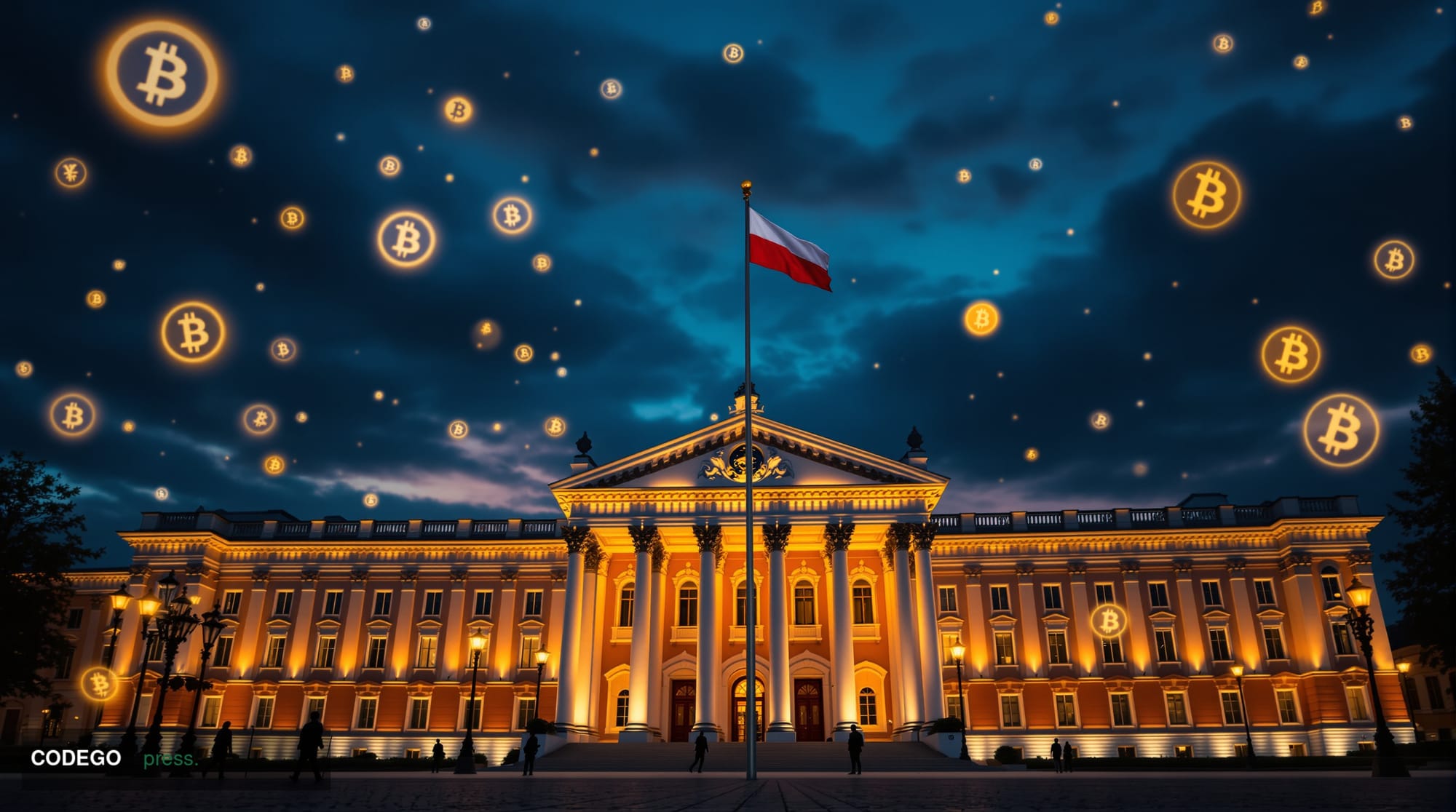
Poland's cryptocurrency regulatory framework remains in limbo as President Karol Nawrocki issued his third consecutive veto of legislation designed to implement the European Central Bank-backed Markets in Crypto-Assets (MiCA) regulation. The repeated rejection comes at a critical juncture, with the European Union's transitional period for crypto framework implementation rapidly approaching its conclusion.
The persistent deadlock between Poland's executive and legislative branches has created significant regulatory uncertainty for crypto businesses operating within the country's borders. MiCA, which represents the EU's comprehensive attempt to standardize cryptocurrency regulation across member states, requires national implementation to ensure legal clarity and consumer protection. Nawrocki's third veto signals deeper institutional resistance to the regulatory framework than previously anticipated by market observers.
The timing of this latest presidential action carries particular weight given the approaching end of the EU's transitional period. European crypto firms have been preparing for months to comply with MiCA requirements, investing substantial resources in legal compliance infrastructure and operational adjustments. Poland's continued regulatory vacuum threatens to isolate the country from broader European crypto market integration and potentially disadvantage domestic firms seeking to operate across EU borders.
This regulatory standoff reflects broader tensions within Poland's political landscape regarding digital asset oversight. While the European Union has moved toward harmonized crypto regulation through MiCA, individual member states retain discretion over specific implementation details. Nawrocki's repeated vetoes suggest fundamental disagreements with either the scope of proposed regulation or specific provisions within the Polish implementation bill.
Market Implications and Industry Response
The regulatory uncertainty creates immediate challenges for cryptocurrency exchanges, digital asset service providers, and blockchain companies operating in Poland. Without clear legal framework implementation, these entities face potential compliance gaps that could affect their ability to serve European customers or access broader EU market infrastructure. The situation particularly impacts Polish crypto startups and established financial institutions exploring digital asset services.
European financial regulators have emphasized the importance of coordinated MiCA implementation across all member states to ensure market integrity and consumer protection. Poland's delay in finalizing its regulatory framework could create regulatory arbitrage opportunities or compliance complications for cross-border crypto operations.
Political Dynamics and Future Prospects
The repeated presidential vetoes indicate that Poland's crypto regulation debate extends beyond technical implementation details into broader questions of financial sovereignty and regulatory approach. Nawrocki's actions may reflect concerns about the impact of EU-mandated crypto rules on Poland's domestic financial sector or disagreements with specific regulatory requirements.
With the EU transitional period nearing its end, pressure is mounting on Polish lawmakers to find compromise solutions that satisfy both presidential concerns and European compliance requirements. The continued deadlock could force emergency legislative measures or potentially place Poland in violation of EU regulatory coordination expectations.
The situation underscores the complex challenges facing European nations as they navigate the balance between EU-wide regulatory harmonization and national sovereignty over financial regulation. Poland's struggle to implement MiCA highlights broader questions about the effectiveness of top-down regulatory coordination in rapidly evolving technology sectors.
As the transitional period deadline approaches, Polish crypto market participants and European regulators alike await resolution of this regulatory impasse. The outcome will likely influence both Poland's position within the EU's digital finance framework and the broader precedent for member state implementation of pan-European crypto regulation.
Written by the editorial team — independent journalism powered by Codego Press.