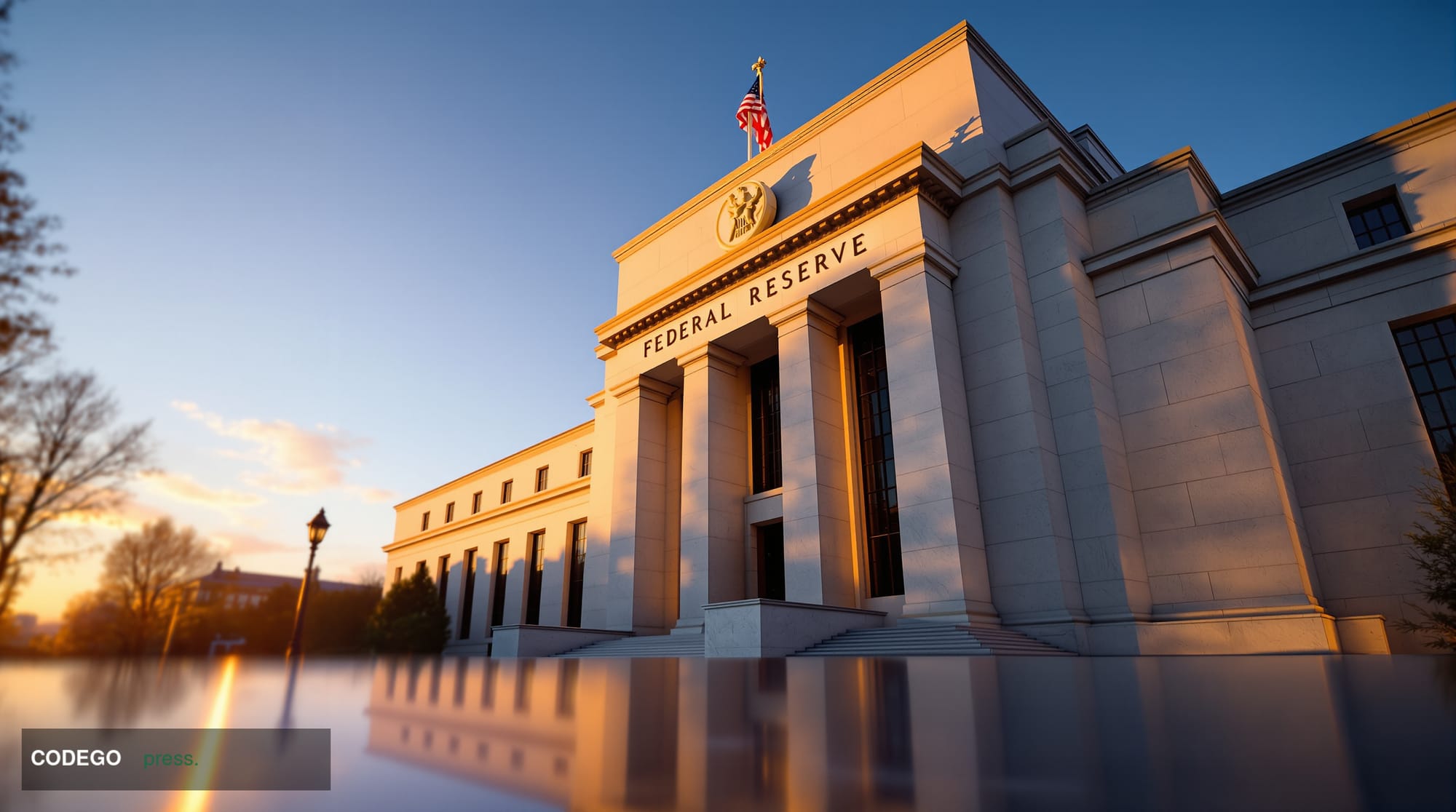
The Federal Reserve has announced Jerome Powell's return as interim Chair while Kevin Warsh prepares to assume permanent leadership of America's central bank, marking a significant transition in monetary policy stewardship that prioritizes institutional stability over immediate change.
The interim appointment structure represents a calculated approach to central banking leadership transitions, designed specifically to minimize market disruptions during what could otherwise prove a turbulent handover period. Powell's temporary return provides continuity of institutional memory and policy approach while allowing Warsh time to prepare for the demanding role of steering the world's most influential central bank.
This leadership arrangement carries profound implications for financial markets already navigating complex economic crosscurrents. Powell's track record during his previous tenure included steering the Fed through pandemic-era monetary interventions and subsequent inflation management challenges. His interim status suggests policy continuity in the near term, providing markets with familiar leadership while Warsh transitions into the role.
Kevin Warsh brings distinct credentials to the Fed Chair position, having previously served on the Federal Reserve Board of Governors from 2006 to 2011 during the financial crisis period. His experience includes deep Wall Street knowledge and crisis management expertise, positioning him as a potentially transformative leader for the central bank's next chapter. The planned transition allows Warsh to observe current monetary policy dynamics while preparing his own strategic vision.
The timing of this leadership transition coincides with critical junctures in American monetary policy. Central banks worldwide continue grappling with inflation management, employment objectives, and financial stability concerns. The Fed's dual mandate of price stability and maximum employment requires nuanced leadership capable of balancing competing economic pressures while maintaining market confidence.
Market participants will scrutinize both Powell's interim decisions and early signals about Warsh's policy inclinations. The transition period offers opportunities for policy recalibration without dramatic disruption, potentially smoothing what might otherwise represent a jarring change in central banking approach. This measured transition reflects institutional wisdom about maintaining monetary policy credibility during leadership changes.
The broader implications extend beyond immediate policy continuity. Central bank independence and credibility depend partly on smooth institutional transitions that preserve market confidence in monetary policy effectiveness. The interim arrangement demonstrates commitment to these principles while acknowledging the practical challenges of central bank leadership transitions in complex economic environments.
Financial institutions and market participants now face the challenge of interpreting signals from both current interim leadership and future permanent leadership. This dual dynamic creates unique opportunities for policy communication and market guidance during the transition period, potentially enhancing rather than complicating monetary policy transmission mechanisms.
Written by the editorial team — independent journalism powered by Codego Press.