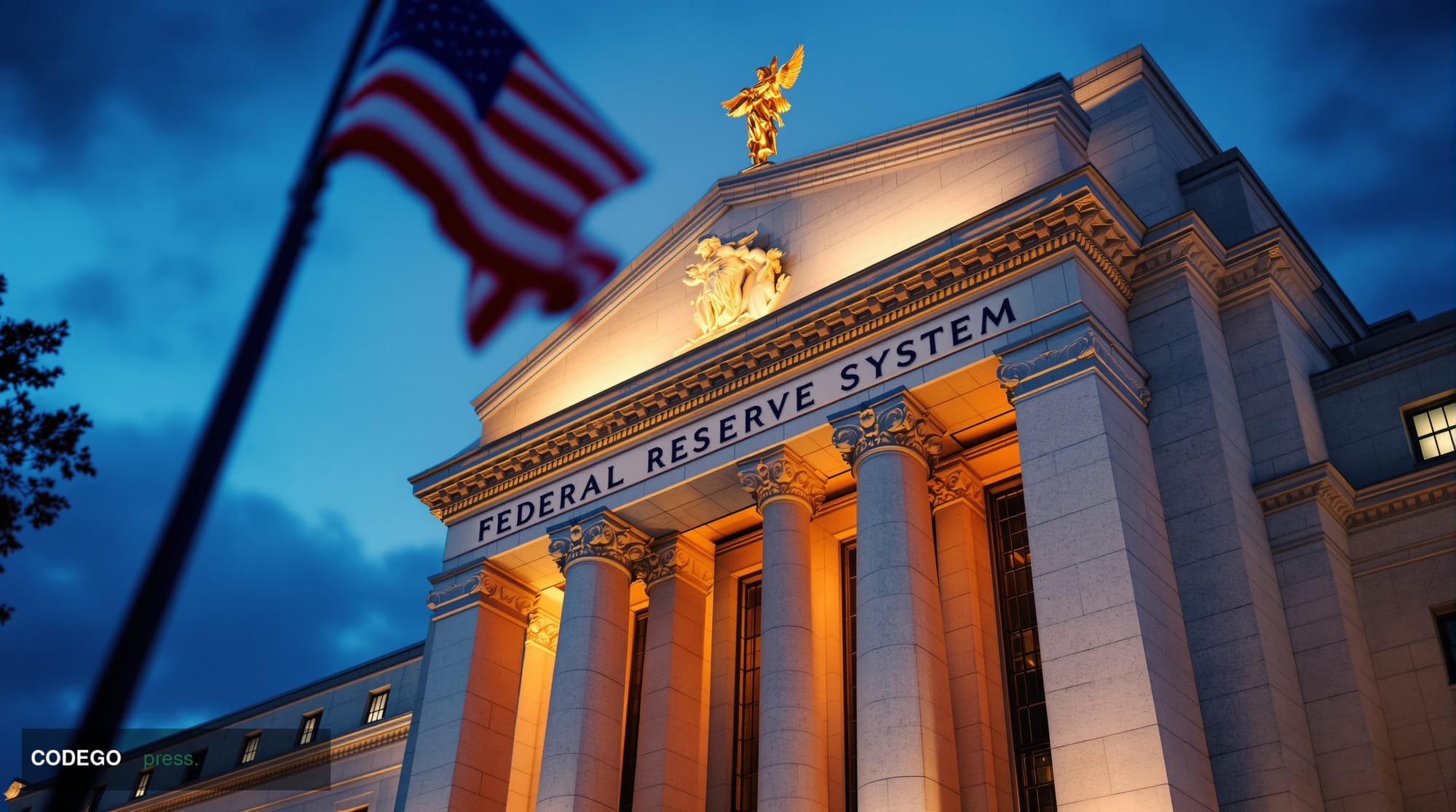
The Federal Reserve enters uncharted territory as Jerome Powell steps down from his role as Chair, marking the end of an era that spanned some of the most turbulent economic periods in recent American history. Powell's departure signals a pivotal shift in U.S. monetary policy direction, with the nomination of Kevin Warsh as his potential successor setting the stage for what could be fundamental changes in how America's central bank approaches economic strategy.
Powell's tenure at the helm of the Federal Reserve has been defined by unprecedented challenges, from navigating the economic fallout of the COVID-19 pandemic to managing the most aggressive interest rate hiking cycle in decades to combat inflation. His leadership style, characterized by clear communication and data-driven decision-making, helped guide the U.S. economy through multiple crises while maintaining relative financial stability. The decision to step down represents a voluntary transition rather than the completion of a term, adding significance to the timing and implications for monetary policy continuity.
Kevin Warsh's nomination brings a distinctly different profile to the Federal Reserve leadership discussion. A former Fed governor who served from 2006 to 2011, Warsh brings both institutional knowledge and a track record that suggests potential shifts in policy approach. His previous tenure coincided with the financial crisis and its aftermath, providing him with direct experience in crisis management and unconventional monetary policy tools. Warsh's nomination potentially signals a move toward more traditional monetary policy frameworks, marking a departure from some of the experimental approaches that have characterized recent Fed policy.
The transition comes at a critical juncture for U.S. monetary policy, with inflation concerns, labor market dynamics, and global economic uncertainties creating a complex landscape for central bank decision-making. Powell's exit removes a figure who had become synonymous with the Fed's response to economic volatility, particularly the institution's willingness to deploy aggressive monetary stimulus when faced with economic downturns. His successor will inherit an economy still grappling with the long-term effects of pandemic-era policies and the ongoing challenge of maintaining price stability while supporting employment growth.
Warsh's potential appointment carries implications that extend beyond traditional monetary policy into areas including financial regulation, banking supervision, and the Fed's approach to emerging financial technologies. His previous writings and public statements suggest a preference for more market-oriented solutions and a cautious approach to government intervention in financial markets. This philosophical orientation could translate into different approaches to banking regulation, stress testing, and the Fed's role in financial stability oversight.
The nomination process itself will provide crucial insights into the political and economic priorities that will shape Fed policy in the coming years. Warsh's confirmation hearings will likely focus on his views regarding inflation targeting, employment mandates, and the appropriate use of the Fed's emergency powers. His responses will signal whether the institution plans to maintain its current dual mandate approach or shift toward different priorities in balancing price stability and employment objectives.
Market participants and policy observers will closely monitor how this leadership transition affects the Fed's communication strategy and policy predictability. Powell's tenure was marked by efforts to enhance transparency and forward guidance, helping markets anticipate policy changes and reducing uncertainty. Warsh's approach to communication and his willingness to maintain or modify these practices will significantly influence financial market stability and the effectiveness of monetary policy transmission mechanisms.
The broader implications of this transition extend to international monetary policy coordination and the Fed's role in global financial stability. Powell's leadership coincided with increased cooperation among central banks during crisis periods, and his successor will need to navigate complex international relationships while maintaining the Fed's independence and focus on domestic economic objectives. Warsh's nomination potentially alters future economic strategies not just domestically but in terms of how the United States engages with global monetary policy challenges and international financial institutions.
Written by the editorial team — independent journalism powered by Codego Press.