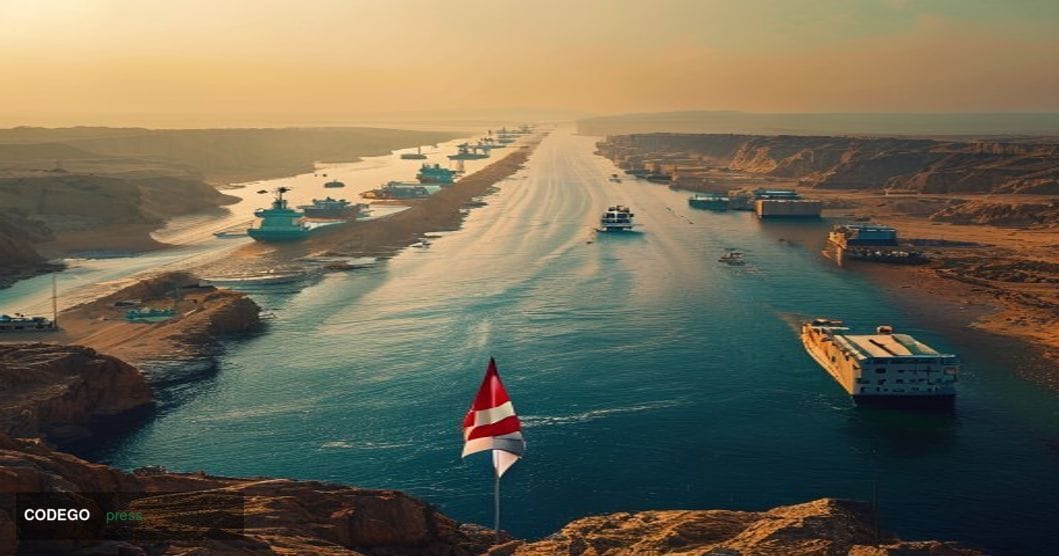
Qatar's firm opposition to permanent legal fees at the Strait of Hormuz has emerged as a critical factor in preventing what could have been a fundamental restructuring of global energy trade costs. The Gulf nation's diplomatic stance, while negotiating for temporary toll arrangements instead, signals a strategic approach to protecting the economic interests of major energy exporters in the region.
The Strait of Hormuz, through which approximately one-fifth of global petroleum liquids transit daily, represents perhaps the world's most strategically important energy chokepoint. Qatar's intervention in fee discussions carries particular weight given the nation's position as the world's largest exporter of liquefied natural gas and its substantial crude oil production capacity. The country's opposition to permanent fee structures suggests a calculated effort to maintain favorable economics for energy exports that form the backbone of regional economies.
The distinction between permanent and temporary toll arrangements reflects deeper concerns about precedent-setting in international maritime commerce. Permanent fees would establish a structural cost burden that could fundamentally alter global energy pricing mechanisms, potentially adding billions of dollars annually to worldwide energy transportation costs. These expenses would inevitably flow through to end consumers, affecting everything from gasoline prices to industrial energy costs across major importing nations.
Qatar's negotiating position for temporary tolls instead represents a compromise approach that acknowledges the need for transit revenue while preventing the institutionalization of permanent cost increases. This strategy aligns with broader OPEC interests in maintaining competitive energy pricing structures that support long-term demand for petroleum products in an increasingly competitive global energy landscape.
The energy markets have already begun factoring Qatar's stance into forward pricing models, with traders recognizing that successful prevention of permanent fees could maintain existing cost structures for Middle Eastern energy exports. This development carries particular significance as global energy markets continue adapting to geopolitical tensions and supply chain disruptions that have characterized recent years.
From a broader economic perspective, Qatar's position reflects the intricate balance between transit rights, sovereignty claims, and commercial interests that define modern maritime trade. The temporary toll approach being negotiated would provide revenue streams for strait management while avoiding the long-term structural changes that permanent fees would impose on global energy commerce.
The implications extend beyond immediate energy markets to encompass global trade finance and shipping economics. Major energy companies, shipping conglomerates, and commodity traders are closely monitoring these negotiations, as the outcome could influence similar discussions at other critical maritime chokepoints worldwide. Qatar's success in preventing permanent fee structures could establish important precedent for future international maritime commerce disputes.
As negotiations continue, the energy sector remains focused on the potential for Qatar's diplomatic approach to maintain existing cost structures while accommodating legitimate transit management needs. The temporary toll framework being discussed represents a pragmatic solution that could preserve the economic viability of current energy export models while addressing operational requirements for strait oversight.
Written by the editorial team — independent journalism powered by Codego Press.