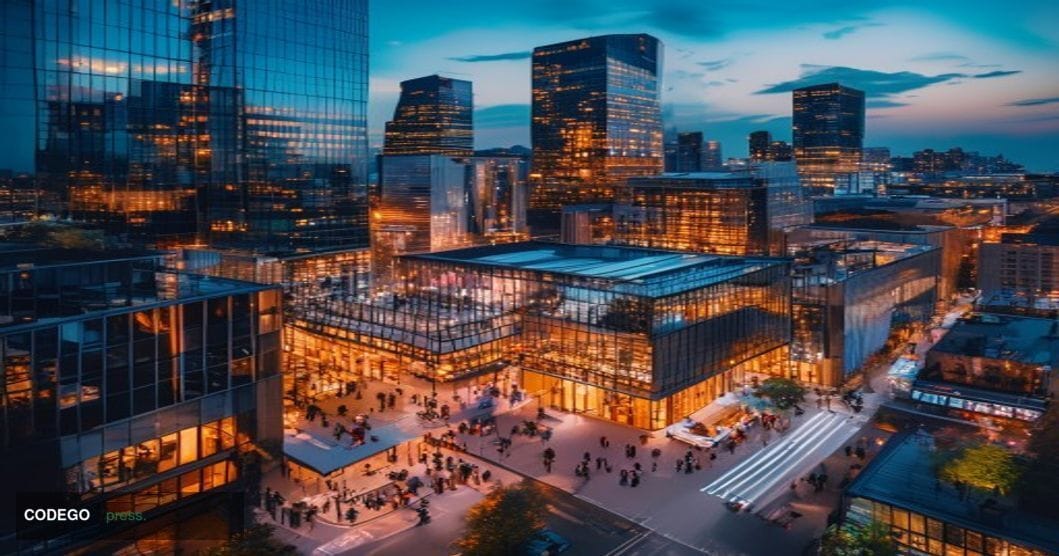
The financial technology industry has fundamentally reimagined how professional gatherings operate, moving far beyond the sterile hotel ballrooms and convention centers that once defined business conferences. Over the past decade, fintech festivals and dedicated "fintech weeks" have proliferated across major financial capitals, transforming the traditional conference model into something resembling urban cultural festivals rather than corporate events.
These evolved gatherings represent a significant shift in how the industry approaches knowledge sharing, deal-making, and relationship building. Rather than confining participants to single venues, modern fintech festivals spread across entire city districts, creating what industry observers describe as living ecosystems that blur the boundaries between formal business programming and organic networking opportunities.
The transformation reflects the industry's startup DNA and its rejection of traditional financial services culture. Where banking conferences historically emphasized formal presentations and structured networking, fintech festivals embrace the informal, experimental ethos that drives technological innovation. Cities and districts become dynamic stages where participants can move fluidly between keynote presentations, intimate roundtable discussions, product demonstrations, and casual encounters at local establishments.
This evolution serves multiple strategic purposes for industry stakeholders. Entrepreneurs gain access to dense networks of potential investors, partners, and customers within concentrated timeframes and geographic areas. Visa, Mastercard, and other established financial services giants use these festivals to scout emerging technologies and identify acquisition targets. Regulatory bodies leverage the gatherings to engage directly with innovators and better understand technological developments that may require policy responses.
The immersive format also addresses a fundamental challenge in fintech: the need to bridge diverse communities that don't naturally intersect. Traditional banking executives, venture capitalists, regulatory officials, academic researchers, and early-stage entrepreneurs often operate in separate professional circles. Festival formats create neutral ground where these constituencies can interact organically, fostering the cross-pollination essential for industry advancement.
Cultural immersion represents another critical differentiator. Rather than generic hotel conference rooms, these festivals utilize local venues that reflect each host city's unique character and financial ecosystem. This approach acknowledges that fintech innovation doesn't occur in vacuum but emerges from specific regulatory environments, talent pools, and market conditions. Participants gain insights not just from formal programming but from experiencing how different regions approach financial innovation.
The proliferation of these festivals also reflects fintech's global nature and the industry's recognition that innovation hubs exist worldwide rather than concentrating in traditional financial centers. Cities from Singapore to São Paulo, Lagos to London, now host significant fintech gatherings, each showcasing regional strengths and market opportunities that might be invisible to participants focused solely on established financial capitals.
For the broader financial services industry, these festivals serve as barometers of innovation trends and competitive dynamics. The technologies showcased, partnerships announced, and regulatory discussions conducted often preview developments that will reshape traditional banking, payments, and investment services. Established financial institutions increasingly view festival participation as essential competitive intelligence gathering rather than optional industry engagement.
Written by the editorial team — independent journalism powered by Codego Press.