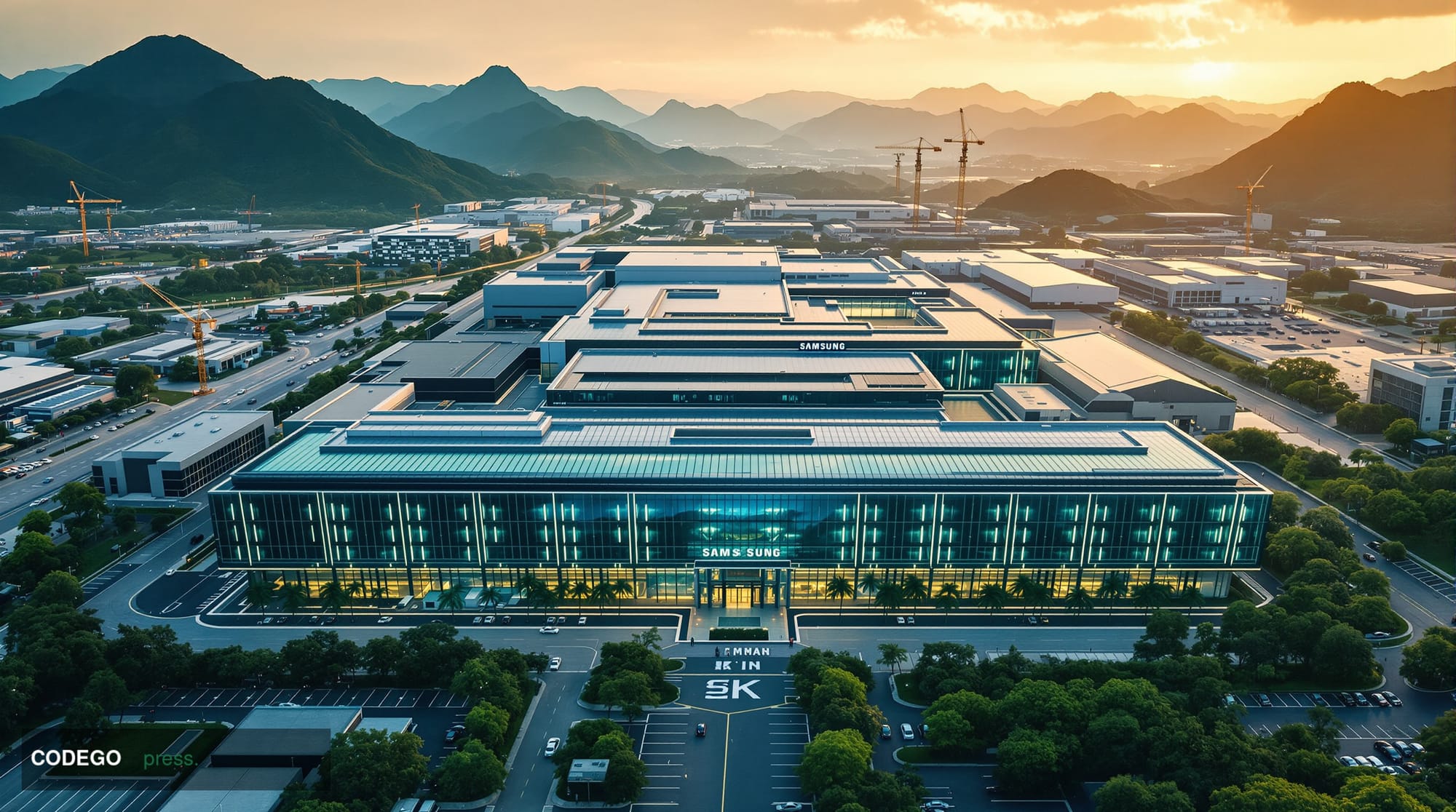
Samsung's announcement of a $1.5 billion chip testing facility in Vietnam represents more than another corporate expansion—it signals a fundamental shift in how global technology giants view Southeast Asia's role in semiconductor supply chain architecture. The facility, slated for completion by 2027, positions Vietnam as an increasingly critical node in the global chip ecosystem at a time when supply chain resilience has become paramount for technology manufacturers.
The scale of Samsung's investment underscores the strategic importance the South Korean conglomerate places on diversifying its semiconductor testing capabilities beyond traditional manufacturing hubs. This $1.5 billion commitment represents one of the largest foreign direct investments in Vietnam's technology sector in recent years, reflecting broader industry trends toward geographic diversification of critical semiconductor operations.
Vietnam's emergence as a preferred destination for semiconductor testing facilities stems from several converging factors that have created an attractive investment environment. The country offers a combination of competitive labor costs, improving technical infrastructure, and government policies designed to attract high-tech manufacturing investments. Samsung's decision to establish testing operations in Vietnam also reflects the company's broader strategy to reduce concentration risk in its supply chain operations, particularly following disruptions experienced during the global pandemic.
Supply Chain Resilience Drives Investment Strategy
The timing of Samsung's Vietnam expansion aligns with industrywide efforts to build more resilient semiconductor supply chains. Chip testing, while often overlooked compared to fabrication, represents a critical bottleneck in semiconductor production. By establishing dedicated testing facilities in multiple geographic regions, Samsung can better manage supply chain disruptions and reduce dependency on any single location for these essential operations.
This investment strategy reflects lessons learned from recent supply chain vulnerabilities that exposed the semiconductor industry's over-concentration in specific geographic regions. Vietnam's growing role in Samsung's supply chain architecture provides the company with operational flexibility while supporting the country's ambitions to move up the technology value chain from basic assembly operations to more sophisticated semiconductor processes.
The facility's 2027 completion timeline suggests Samsung is taking a measured approach to expansion, allowing time for workforce development and infrastructure preparation. This timeline also aligns with industry projections for continued growth in semiconductor demand, particularly in sectors such as automotive electronics, artificial intelligence processors, and mobile devices where Samsung maintains significant market positions.
Regional Semiconductor Ecosystem Development
Samsung's Vietnam investment contributes to Southeast Asia's broader transformation into a significant semiconductor hub. The region has attracted substantial investments from multiple technology companies seeking to diversify manufacturing and testing operations away from traditional centers in China, Taiwan, and South Korea. Vietnam's participation in this trend positions the country to capture value from the global semiconductor industry's continued expansion.
The establishment of advanced chip testing capabilities in Vietnam also creates opportunities for local workforce development and technology transfer. Samsung's investment will likely drive demand for technical education programs and specialized training initiatives, contributing to Vietnam's long-term competitiveness in high-technology manufacturing sectors.
For Samsung, the Vietnam facility represents part of a broader geographic diversification strategy that includes significant investments in semiconductor operations across multiple countries. This approach provides the company with operational flexibility while reducing exposure to geopolitical tensions that have increasingly affected global technology supply chains.
Samsung's $1.5 billion Vietnam investment signals confidence in Southeast Asia's role within the evolving global semiconductor landscape. As chip testing becomes increasingly sophisticated and critical to overall semiconductor production, facilities like Samsung's planned Vietnam operation will play essential roles in supporting the technology industry's continued growth. The 2027 completion target provides Samsung with expanded operational capabilities precisely when semiconductor demand is expected to reach new peaks across multiple industry sectors.
Written by the editorial team — independent journalism powered by Codego Press.