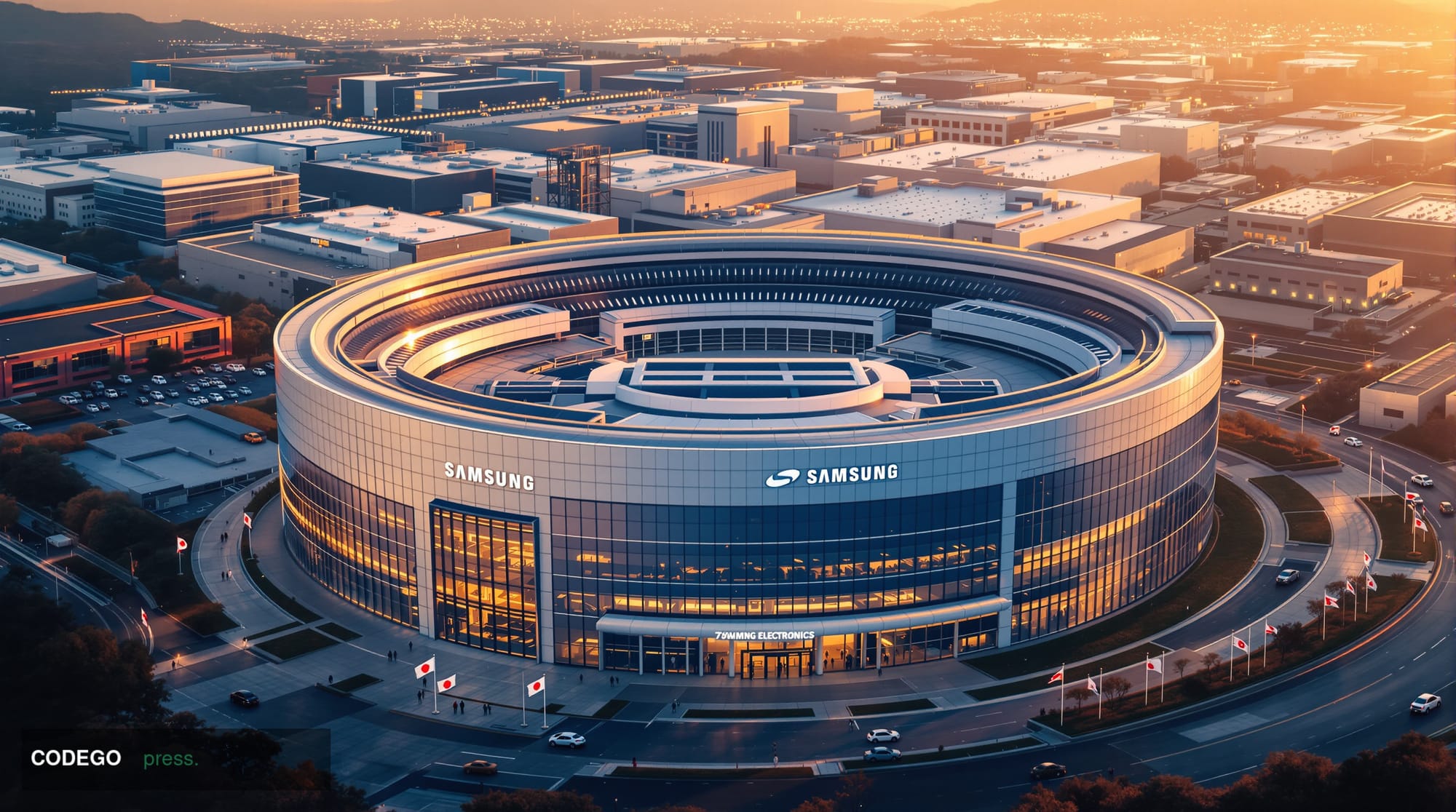
Samsung Electronics has announced a landmark profit-sharing arrangement that will distribute up to 600 million won to each of its 78,000 eligible workers, marking one of the most substantial employee compensation packages in the global semiconductor industry's recent history. The South Korean technology giant's decision reflects the extraordinary financial performance driven by surging demand for artificial intelligence infrastructure and memory chips.
The profit-sharing deal represents a fundamental shift in how semiconductor companies approach worker compensation amid an unprecedented AI-driven boom. With maximum individual payouts reaching 600 million won—approximately $450,000 USD—Samsung's initiative dwarfs traditional bonus structures and signals the company's recognition that extraordinary market conditions warrant equally extraordinary employee rewards. The 78,000 workers eligible for this distribution span multiple divisions within Samsung's semiconductor operations, from chip design engineers to manufacturing specialists.
This compensation strategy emerges against the backdrop of Samsung's robust financial performance in the AI semiconductor market. The company's memory chip division, which produces high-bandwidth memory crucial for AI training and inference, has experienced explosive demand growth as technology companies race to build generative AI capabilities. Samsung's positioning in this market has translated directly into enhanced profitability, creating the financial foundation necessary to support such generous profit-sharing arrangements.
Industry-Wide Implications
The Samsung profit-sharing model highlights growing wage disparities within the semiconductor sector, where companies benefiting from AI demand boom are experiencing vastly different financial trajectories than those focused on traditional computing markets. This divergence creates competitive pressure for talent acquisition and retention, as the most skilled engineers and technical specialists gravitate toward companies offering superior compensation packages tied to AI-related growth.
Competitors across the semiconductor landscape now face mounting pressure to develop comparable profit-sharing mechanisms or risk losing critical talent to Samsung and other companies adopting similar strategies. The ripple effects extend beyond direct competitors to include memory manufacturers, chip design firms, and semiconductor equipment suppliers, all of whom must recalibrate their compensation frameworks to remain competitive in an increasingly lucrative AI-driven market.
The timing of Samsung's announcement coincides with broader industry discussions about equitable distribution of AI-driven profits. As semiconductor companies experience unprecedented revenue growth from AI infrastructure demand, questions about how these gains should be shared with the workforce have become increasingly prominent in corporate governance discussions. Samsung's approach suggests a model where extraordinary market performance translates directly into extraordinary worker rewards.
Market Dynamics and Future Outlook
The profit-sharing deal reflects Samsung's confidence in sustained AI market growth and its ability to maintain strong financial performance in this sector. By committing to such substantial worker payouts, the company demonstrates its expectation that AI-driven demand will continue generating exceptional returns, justifying the significant cash outlay required to fulfill these profit-sharing obligations.
This compensation strategy also functions as a talent retention mechanism during a period of intense competition for semiconductor expertise. As AI companies expand their hardware requirements and new players enter the market, the pool of experienced semiconductor professionals becomes increasingly valuable. Samsung's profit-sharing approach helps lock in critical talent while building employee loyalty through direct financial participation in the company's AI-market success.
The broader implications for semiconductor industry compensation structures suggest a potential paradigm shift toward performance-based profit-sharing models. As AI continues driving exceptional growth in specific market segments, companies may increasingly adopt variable compensation frameworks that align worker rewards with extraordinary business performance, moving beyond traditional salary and bonus structures toward more dynamic profit-participation arrangements that reflect the volatile but potentially lucrative nature of emerging technology markets.
Written by the editorial team — independent journalism powered by Codego Press.