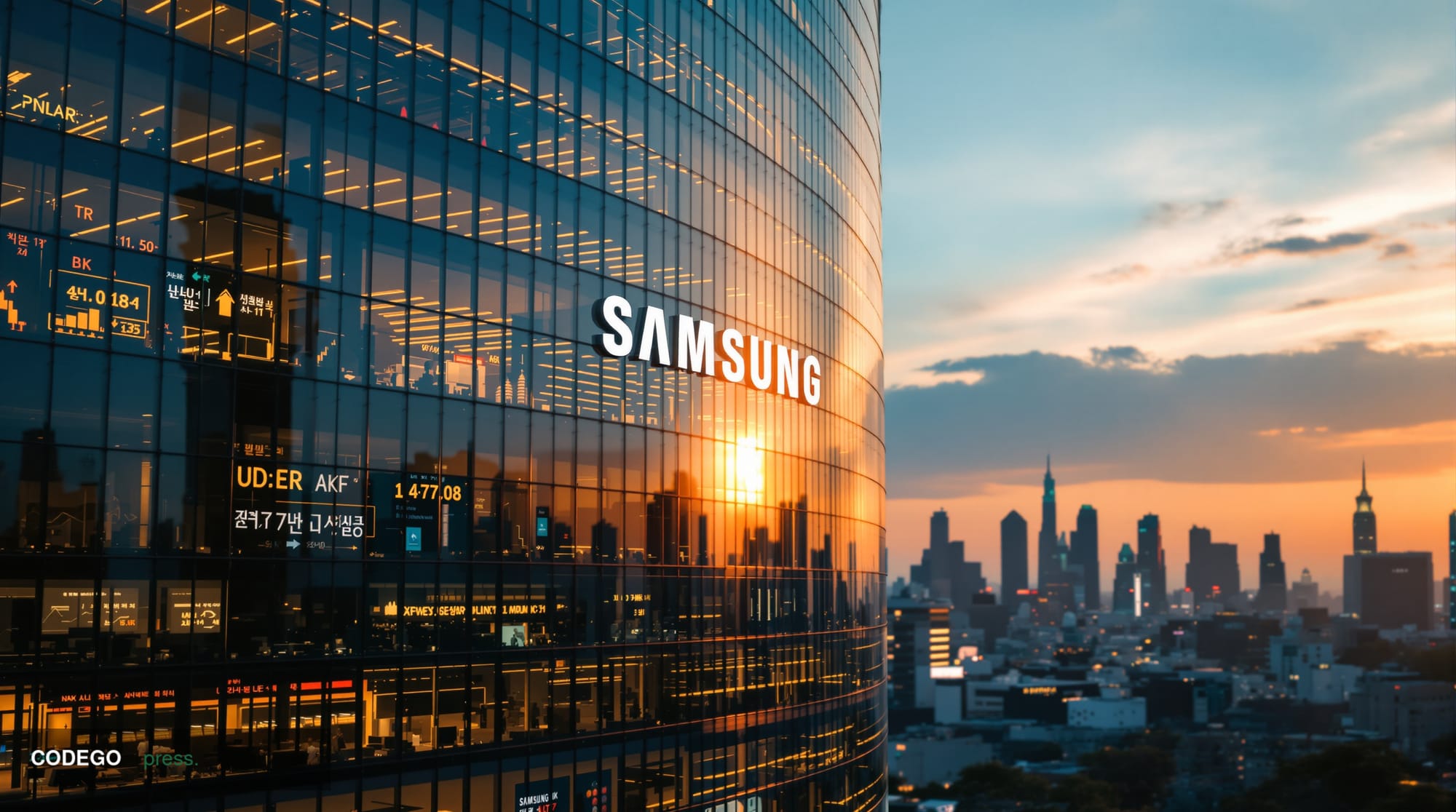
South Korea's digital asset sector is witnessing a seismic shift as Samsung's financial subsidiaries prepare to invest $408 million in Dunamu, the company behind the nation's dominant cryptocurrency exchange Upbit. The strategic investment by Samsung Securities, Samsung SDS, and Samsung Card signals a fundamental realignment of corporate Korea's approach to digital assets ahead of sweeping regulatory changes.
The transaction will see the three Samsung units acquire a combined 4% stake in Dunamu, marking one of the largest corporate investments in South Korean cryptocurrency infrastructure to date. This move positions Samsung's financial arms at the center of what promises to be a transformative period for digital assets in Asia's fourth-largest economy, as policymakers prepare comprehensive frameworks for tokenized securities and stablecoins.
Dunamu operates Upbit, which has maintained its position as South Korea's leading cryptocurrency exchange despite facing intense regulatory scrutiny and periodic trading suspensions. The exchange has navigated complex compliance requirements while building a user base that regularly accounts for significant portions of global cryptocurrency trading volume. Samsung's investment suggests confidence in Dunamu's ability to thrive under the incoming regulatory regime rather than merely survive it.
The timing of this investment reflects broader strategic calculations about South Korea's digital asset future. Korean regulators have signaled their intention to establish clear frameworks for tokenized securities and stablecoins, potentially creating new market opportunities for established financial institutions. Samsung's financial subsidiaries appear to be positioning themselves to capture value from these emerging segments while leveraging Dunamu's existing market infrastructure and regulatory relationships.
For Samsung Securities, the investment represents an extension of its traditional brokerage operations into digital asset markets that increasingly mirror conventional securities trading. The company's participation suggests expectations that tokenized securities will eventually integrate with existing capital markets infrastructure, creating hybrid trading environments where traditional and digital assets coexist.
Samsung SDS brings critical technological capabilities to the partnership, particularly in blockchain infrastructure and enterprise solutions that could prove essential as South Korea's digital asset markets mature. The company's involvement hints at potential synergies between Dunamu's exchange operations and Samsung's broader technology ecosystem, possibly including integration with Samsung's hardware and software platforms.
The inclusion of Samsung Card in the investment consortium points to anticipated developments in digital payment systems and stablecoin adoption. As South Korean regulators prepare stablecoin frameworks, Samsung Card's participation suggests preparations for digital currency integration within existing payment networks, potentially accelerating mainstream adoption of blockchain-based financial services.
This investment occurs against the backdrop of South Korea's evolving regulatory approach to digital assets. Unlike the restrictive stance taken by some regional authorities, Korean regulators have pursued a more measured approach that seeks to establish clear rules while preserving innovation opportunities. The Samsung investment appears to reflect confidence that this regulatory direction will create sustainable business models for compliant digital asset operations.
The $408 million investment also represents a significant validation of Dunamu's business model and market position. Despite facing periodic regulatory challenges, the company has maintained its operational capabilities while building compliance systems that appear to meet evolving regulatory expectations. Samsung's willingness to commit substantial capital suggests that Dunamu has successfully navigated the transition from South Korea's earlier, more permissive regulatory environment to today's more structured approach.
Looking ahead, this partnership could serve as a template for how traditional Korean conglomerates engage with digital asset markets. Rather than building competing infrastructure from scratch, Samsung's approach of investing in established operators while contributing complementary capabilities may prove more efficient than purely internal development strategies. This collaborative model could accelerate the integration of digital assets into South Korea's broader financial system while maintaining the regulatory compliance that authorities increasingly demand.
Written by the editorial team — independent journalism powered by Codego Press.