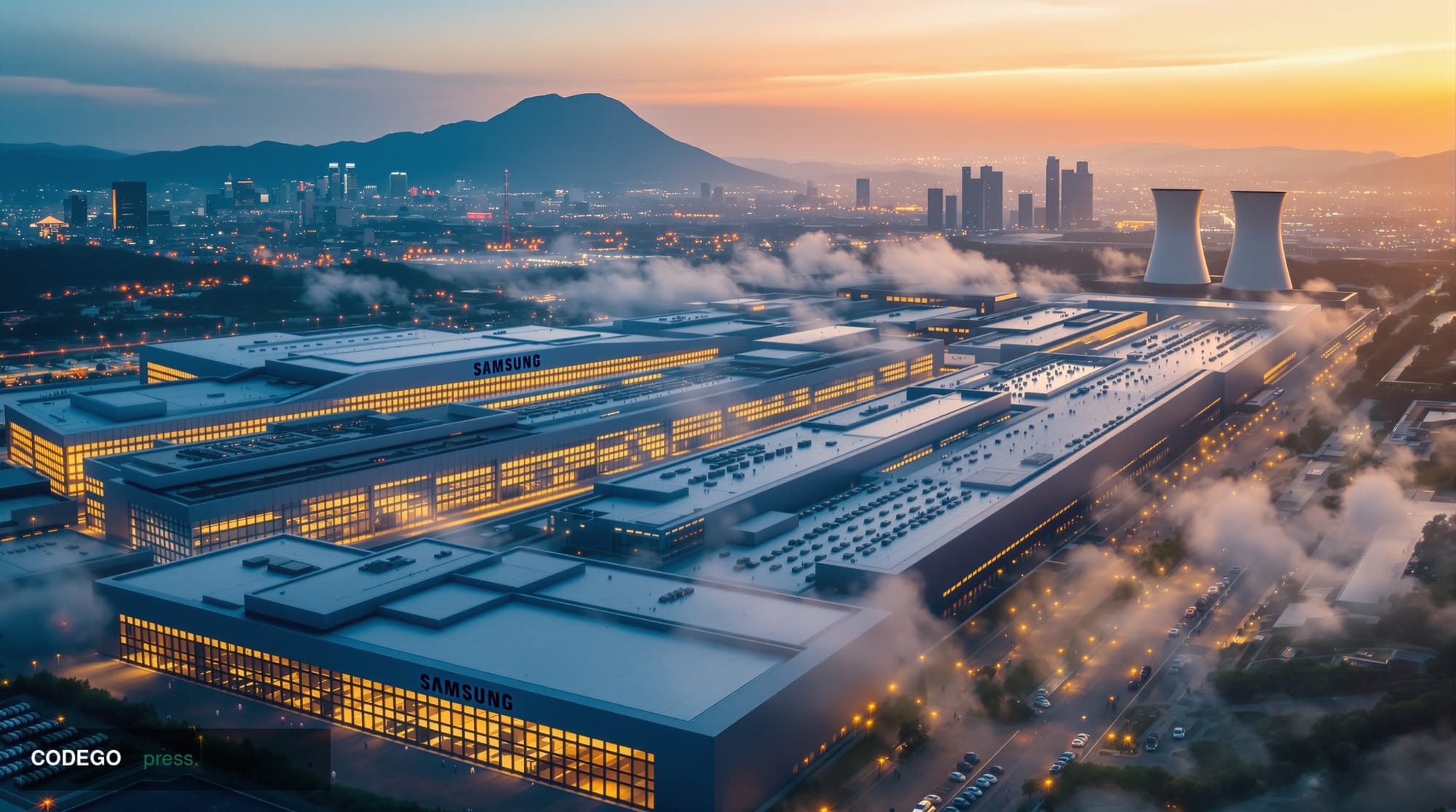
Samsung Electronics has successfully negotiated a tentative wage agreement with its workforce, averting what could have been an 18-day strike that threatened to disrupt global semiconductor supply chains at a critical juncture for artificial intelligence hardware production and decentralized computing infrastructure.
The labor agreement comes at a pivotal moment when demand for advanced semiconductors has reached unprecedented levels, driven by the explosive growth in AI applications and the expansion of decentralized GPU networks that power everything from machine learning workloads to cryptocurrency mining operations. Any prolonged disruption to Samsung's manufacturing capabilities would have sent ripple effects throughout the technology sector, potentially constraining supply and inflating costs across multiple industries.
The tentative deal represents more than just labor relations management—it signals Samsung's recognition of its strategic position in the global technology ecosystem. As one of the world's largest semiconductor manufacturers, the South Korean conglomerate's production facilities are integral to maintaining stable supply chains for AI hardware components that have become essential infrastructure for both traditional technology companies and emerging decentralized computing platforms.
Supply chain stability has emerged as a critical concern for organizations building AI infrastructure, where even minor disruptions can cascade into significant delays and cost overruns. The potential 18-day work stoppage at Samsung's facilities would have created immediate bottlenecks in the production of memory chips, processors, and specialized components that power modern AI workloads. Such disruptions carry particular weight in the current market environment, where semiconductor lead times already stretch months into the future.
The agreement's timing proves especially significant for decentralized GPU networks, which have experienced remarkable growth as organizations seek distributed computing power for AI training and inference tasks. These networks rely heavily on consumer-grade and professional graphics processing units, many of which incorporate Samsung-manufactured memory and processing components. Maintaining steady production flows ensures these networks can continue scaling without facing hardware constraints that could limit their competitive positioning against traditional cloud computing providers.
Beyond immediate supply considerations, the wage deal reflects Samsung's broader strategic imperative to maintain operational consistency as it competes for market share in the rapidly evolving AI hardware landscape. The company faces intensifying competition from manufacturers worldwide, all vying to capture demand from technology companies racing to build increasingly sophisticated AI systems. Any production hiccups could provide competitors with opportunities to gain ground in these high-stakes markets.
The stabilization of AI hardware costs represents another crucial outcome of the labor agreement. Price volatility in semiconductor markets can significantly impact the economics of AI deployment, particularly for smaller organizations and startups building innovative applications on constrained budgets. By maintaining production schedules, Samsung helps preserve the cost predictability that enables continued investment in AI research and development across multiple sectors.
For the broader financial technology sector, Samsung's labor stability carries implications that extend beyond hardware manufacturing. Many fintech companies rely on AI-powered fraud detection, algorithmic trading systems, and customer service automation—all of which depend on stable, affordable access to computing hardware. The wage agreement helps ensure these critical business functions remain economically viable as companies scale their operations.
The resolution also demonstrates the interconnected nature of modern technology supply chains, where labor relations at a single major manufacturer can influence global markets for emerging technologies. As decentralized computing platforms continue expanding and AI applications become more pervasive across industries, maintaining stable production relationships becomes increasingly crucial for sustained technological progress and economic growth in the digital economy.
Written by the editorial team — independent journalism powered by Codego Press.