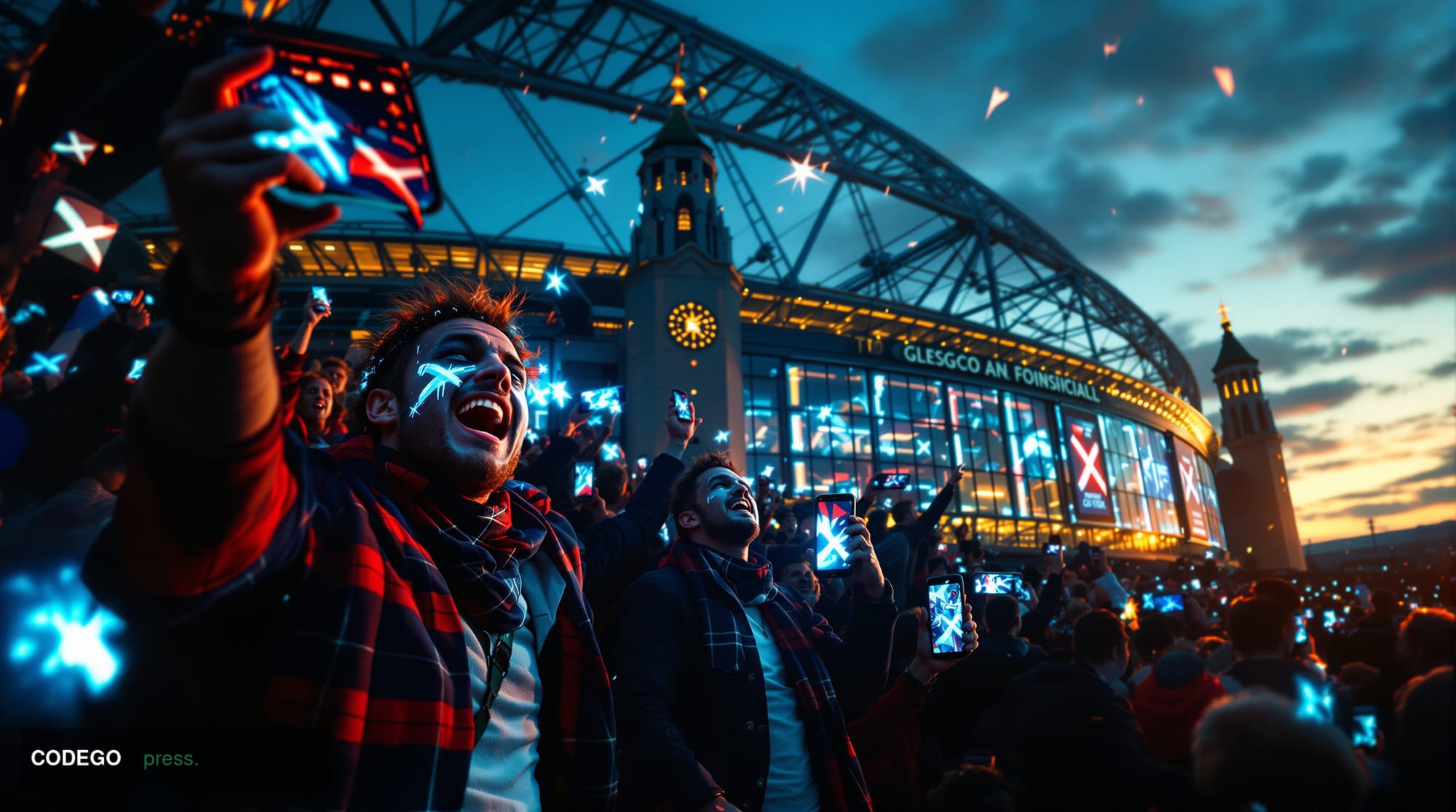
The Scottish Football Association has chosen a moment of unprecedented national celebration to introduce blockchain technology to its passionate supporter base, launching an official fan token alongside Scotland's historic World Cup victory. This strategic timing represents more than ceremonial coincidence—it signals a calculated entry into the digital asset ecosystem that could fundamentally reshape how international football federations engage with their global audiences.
Scotland's World Cup triumph, celebrated by the devoted Tartan Army across the nation and beyond, provides the perfect backdrop for introducing innovative fan engagement mechanisms. The Scottish Football Association has demonstrated astute market timing by coupling this technological launch with peak supporter enthusiasm, potentially maximizing adoption rates and emotional investment in the digital platform.
Fan tokens represent a growing convergence between traditional sports loyalty and blockchain-based utility, offering supporters voting rights on club decisions, exclusive merchandise access, and enhanced digital experiences. The SFA's entry into this market follows successful implementations by major European clubs, but marks a significant milestone as one of the first national football federations to embrace tokenized fan engagement at the international level.
Strategic Implications for Football Digitization
The timing of this launch reveals sophisticated understanding of supporter psychology and market dynamics. By introducing the fan token during Scotland's World Cup celebration, the SFA has created optimal conditions for user acquisition and initial engagement. The euphoric atmosphere surrounding the national team's success naturally translates into increased willingness among supporters to participate in new initiatives that strengthen their connection to Scottish football.
This approach could serve as a blueprint for other national federations considering blockchain adoption. The combination of sporting achievement and technological innovation creates a narrative that extends beyond mere commercial considerations, positioning the fan token as part of Scotland's football heritage rather than simply another digital product.
The enhanced global profile that comes with World Cup success provides additional leverage for the SFA's blockchain initiative. International attention on Scottish football creates opportunities for the fan token to gain recognition beyond domestic markets, potentially attracting diaspora communities and international supporters who developed interest during the tournament.
Broader Market Context
The SFA's move reflects broader trends in sports digitization, where traditional institutions increasingly recognize blockchain technology's potential for creating new revenue streams and deepening fan relationships. Unlike purely speculative cryptocurrency projects, fan tokens tied to established sporting institutions offer utility-driven value propositions that can withstand market volatility through their connection to real-world communities and experiences.
Scotland's approach demonstrates how smaller football nations can leverage blockchain technology to compete with larger federations in terms of fan engagement sophistication. By implementing cutting-edge digital infrastructure, the SFA positions itself alongside technological leaders in European football, potentially attracting younger demographics who expect seamless digital experiences from their sporting affiliations.
The success of this initiative could influence other Celtic nations and smaller football federations to explore similar blockchain implementations, creating a new competitive landscape where technological innovation becomes as important as on-field performance for maintaining supporter engagement and generating revenue.
What this means for the football industry extends beyond Scotland's borders. The SFA's fan token launch during World Cup celebration establishes a precedent for how national federations can harness blockchain technology to amplify sporting success and create lasting digital relationships with supporters. This strategic integration of traditional football triumph with modern engagement technology could reshape expectations for how international football organizations connect with their global communities in the digital age.
Written by the editorial team — independent journalism powered by Codego Press.