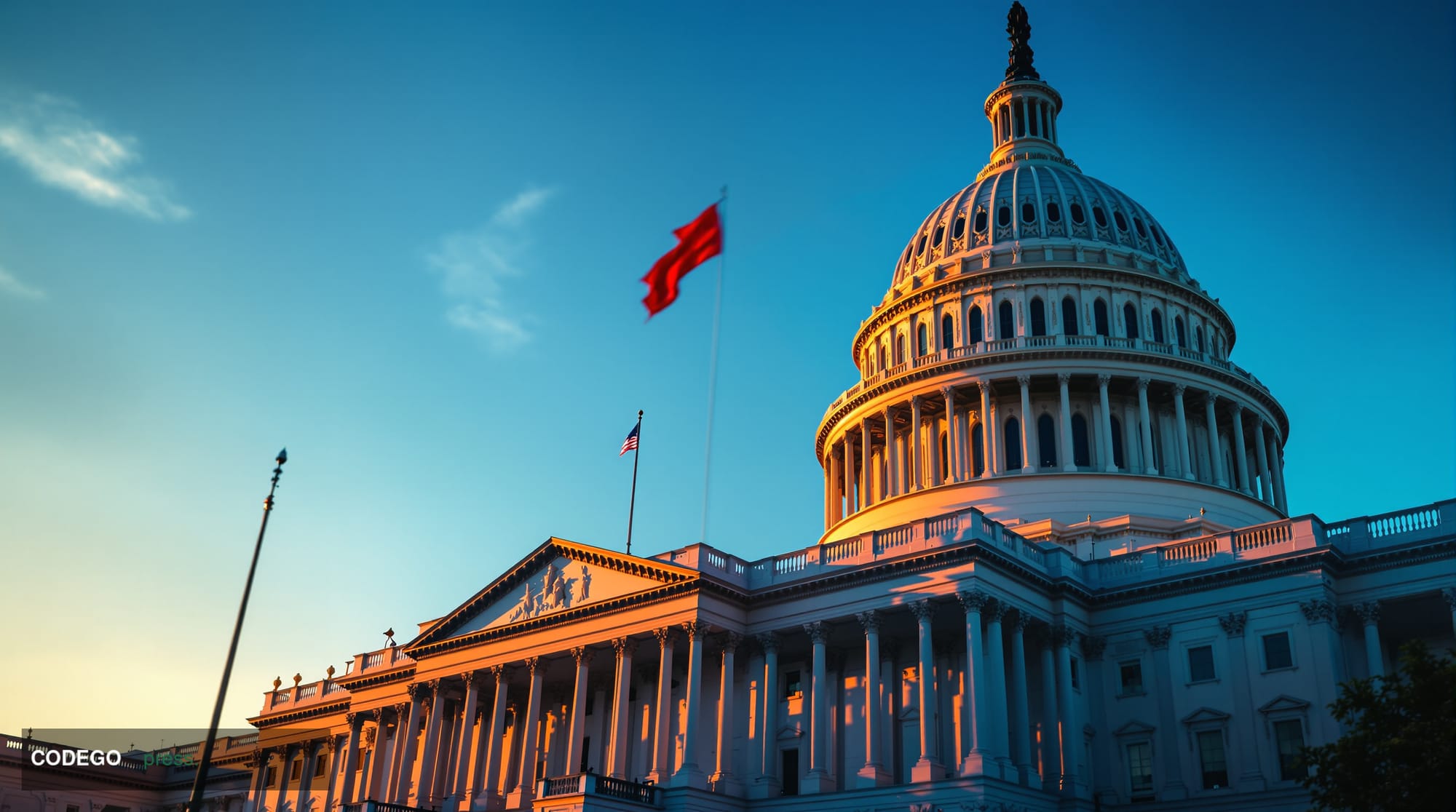
The United States Senate Banking Committee has advanced the CLARITY Act with bipartisan support, marking a watershed moment in American cryptocurrency regulation that could reshape how digital assets operate within the world's largest financial system. This legislative milestone represents the most significant Congressional movement toward comprehensive crypto oversight since the sector began demanding regulatory certainty from Washington policymakers.
The bill's progression through the Senate Banking Committee signals a fundamental shift in how lawmakers approach cryptocurrency regulation, moving away from fragmented enforcement actions toward a unified legislative framework. This bipartisan endorsement suggests that political divisions over digital assets may be narrowing as both parties recognize the necessity of clear regulatory guidelines for an industry that has grown from experimental technology to a multi-trillion-dollar global market.
For financial institutions and cryptocurrency companies operating in regulatory limbo, the CLARITY Act's advancement offers the prospect of operational certainty that has been conspicuously absent from the American market. Major exchanges like Coinbase and traditional financial giants such as JPMorgan Chase have repeatedly called for legislative clarity rather than piecemeal regulatory guidance that often conflicts between agencies.
The committee's bipartisan support demonstrates a maturing understanding among senators that cryptocurrency regulation cannot be addressed through partisan politics alone. This recognition comes as digital assets have become integral to mainstream financial services, with traditional payment processors like Visa and Mastercard integrating cryptocurrency capabilities into their networks and major corporations adding Bitcoin to their treasury holdings.
The potential enhancement of market stability through clearer regulation addresses one of the cryptocurrency sector's most persistent challenges: institutional adoption hindered by regulatory uncertainty. Banks and investment firms have remained cautious about digital asset exposure partly due to unclear compliance requirements and the risk of regulatory backlash. The CLARITY Act's progress suggests these concerns may soon be addressed through legislative action rather than regulatory interpretation.
For investors, both institutional and retail, the bill's advancement represents a significant step toward legitimizing cryptocurrency as an asset class worthy of regulatory protection rather than restriction. This shift could unlock substantial institutional capital that has remained sidelined due to compliance concerns, potentially driving increased market liquidity and reduced volatility that has characterized crypto markets during periods of regulatory uncertainty.
The timing of this legislative progress coincides with growing global competition for cryptocurrency leadership, as jurisdictions like the European Union implement comprehensive digital asset frameworks while others, including Singapore and Switzerland, have established clear regulatory environments that attract crypto businesses. The CLARITY Act's advancement suggests American lawmakers recognize the strategic importance of maintaining the United States' position as a global financial center in the digital age.
However, clearing the Senate Banking Committee represents just one step in the legislative process, with the full Senate vote and potential House consideration still ahead. The bipartisan nature of the committee's support provides optimism that the bill can navigate these additional hurdles, but the cryptocurrency industry has learned to temper expectations given the historically slow pace of financial regulation.
The broader implications extend beyond cryptocurrency markets to encompass the future of American financial innovation and competitiveness. Clear regulatory frameworks enable responsible innovation while protecting consumers and maintaining financial stability—objectives that both supporters and skeptics of cryptocurrency can endorse when properly implemented through thoughtful legislation.
Written by the editorial team — independent journalism powered by Codego Press.