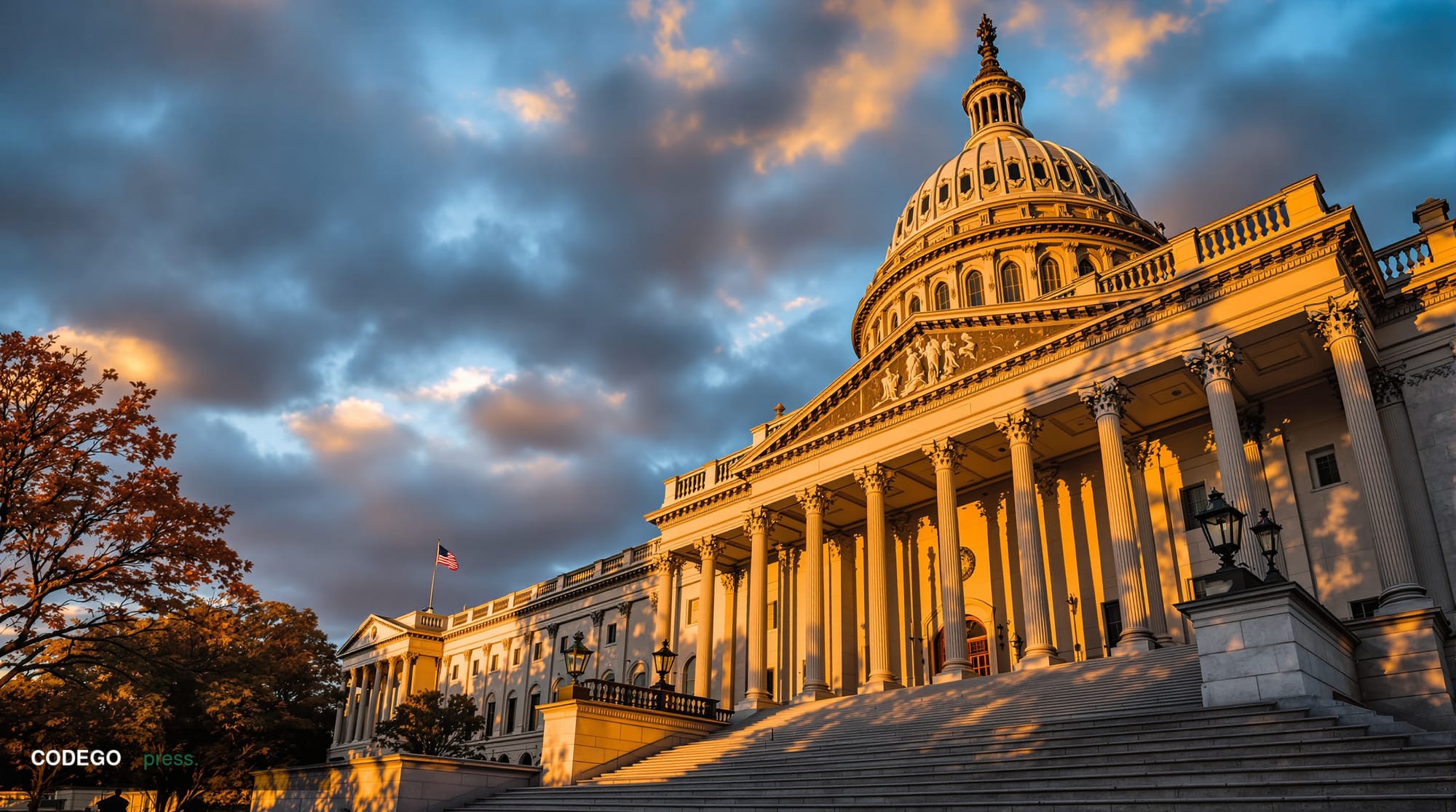
The Senate Banking Committee has approved the Clarity Act, advancing comprehensive cryptocurrency legislation to the full Senate with its controversial stablecoin yield provisions intact. The committee's decision marks a pivotal moment for digital asset regulation, setting the stage for what could become the most significant crypto legislation to reach the Senate floor in recent years.
The bill's progression through committee faced unexpected turbulence as last-minute amendments resurfaced during the final deliberations. However, the core framework of the legislation, including the much-debated language governing stablecoin yield mechanisms, survived the committee process unchanged. This outcome represents a victory for crypto advocates who argued that overly restrictive yield provisions could stifle innovation in the digital asset ecosystem.
Regulatory Framework Takes Shape
The Clarity Act's advancement signals Congress's growing appetite for establishing definitive rules governing the cryptocurrency sector. The legislation aims to provide regulatory certainty for digital asset businesses that have long operated in a legal gray area, particularly around classification and compliance requirements. The retention of stablecoin yield language suggests lawmakers recognize the economic importance of these mechanisms within the broader digital finance infrastructure.
Committee members demonstrated their commitment to comprehensive reform by rejecting attempts to strip key provisions from the bill. The decision to maintain the stablecoin framework indicates bipartisan recognition that these digital currencies have evolved beyond experimental instruments to become essential components of modern financial infrastructure.
Anti-Money Laundering Provisions Rejected
In a notable development, the committee denied an anti-money laundering measure that would have imposed additional compliance burdens on cryptocurrency businesses. This rejection reflects ongoing tensions between security concerns and industry arguments about regulatory proportionality. Critics of the proposed FinCEN-style requirements argued they would have created duplicative oversight structures without meaningfully enhancing financial crime prevention.
The committee's decision to exclude enhanced anti-money laundering provisions while preserving stablecoin yield language reveals the delicate balancing act lawmakers must navigate between security imperatives and innovation objectives. Industry observers note this approach favors enabling legitimate business operations while relying on existing compliance frameworks to address illicit activity concerns.
Senate Floor Dynamics
With committee approval secured, the Clarity Act now faces the more complex dynamics of the full Senate, where broader political considerations and cross-party negotiations will shape its ultimate fate. The bill's current form suggests enough bipartisan support exists to advance meaningful crypto regulation, though floor amendments could still modify key provisions.
The legislation's treatment of stablecoin yields will likely attract intense scrutiny from both traditional financial institutions and digital asset firms. Major players like Circle and other stablecoin issuers have significant interests in how these provisions are ultimately structured, as they could determine competitive dynamics in the trillion-dollar stablecoin market.
What This Means
The Senate Banking Committee's approval of the Clarity Act with stablecoin provisions intact represents a watershed moment for cryptocurrency regulation in the United States. By preserving yield mechanisms while rejecting additional anti-money laundering requirements, lawmakers have signaled their intent to create a regulatory framework that enables innovation rather than constraining it. The bill's advancement to the full Senate sets up what promises to be a defining legislative battle over the future of digital asset regulation, with implications extending far beyond the crypto sector to encompass the broader evolution of American financial infrastructure. Success in the full Senate would establish the United States as a leader in thoughtful cryptocurrency regulation, potentially influencing global approaches to digital asset governance.
Written by the editorial team — independent journalism powered by Codego Press.