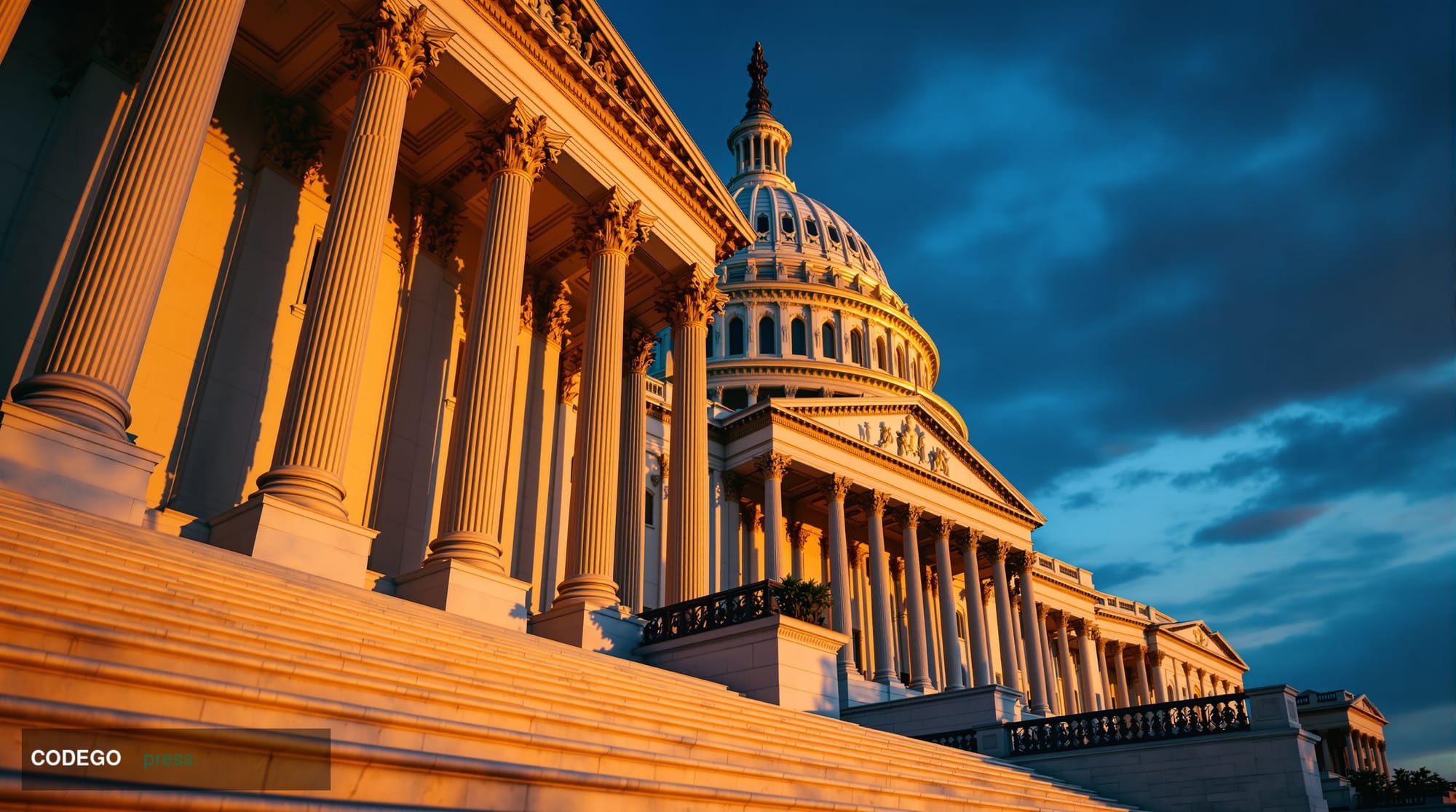
The protracted journey of cryptocurrency market structure legislation has reached another pivotal moment, as the Senate Banking Committee has finally scheduled a markup session for the CLARITY Act this Thursday. The development marks the end of months of legislative delays that have kept the digital asset industry in regulatory limbo, though significant political hurdles remain before the bill can advance to a floor vote.
The CLARITY Act represents one of the most comprehensive attempts to establish a coherent regulatory framework for digital assets in the United States. However, the bill's path through Congress has been anything but smooth, with competing priorities and political considerations repeatedly pushing back consideration dates. The scheduled markup session signals that committee leadership believes they have sufficient momentum to advance the legislation, despite ongoing disagreements over key provisions.
The political arithmetic surrounding the bill remains challenging. Even if the CLARITY Act successfully emerges from committee markup, it would still require support from Democratic senators to achieve passage on the Senate floor. This requirement places the legislation in a precarious position, as Democratic lawmakers have expressed varying degrees of skepticism about certain aspects of the bill's approach to digital asset regulation.
The delays that have plagued the CLARITY Act reflect broader tensions within Congress over how to approach cryptocurrency regulation. While there is general consensus that clearer rules are needed for the rapidly evolving digital asset market, lawmakers have struggled to balance innovation concerns with consumer protection imperatives. The extended timeline has frustrated industry participants who argue that regulatory uncertainty continues to hamper growth and investment in the sector.
Thursday's markup session will provide crucial insights into the bill's viability and the specific areas where Democratic support might be secured. Committee members will have the opportunity to propose amendments and modifications that could address some of the concerns that have been raised about the legislation's current form. The outcome of these discussions will largely determine whether the bill has sufficient bipartisan appeal to advance through the full Senate.
The timing of the markup comes as the cryptocurrency industry continues to mature and institutional adoption accelerates. Major financial institutions have increasingly integrated digital assets into their operations, while regulatory agencies have signaled their intent to provide clearer guidance. The CLARITY Act's progress through the legislative process is being closely watched by market participants who view comprehensive federal legislation as essential for the sector's long-term development.
The broader implications of the bill's success or failure extend beyond the immediate cryptocurrency community. As digital assets become more integrated into the traditional financial system, the regulatory framework that emerges from Congress will likely influence how other jurisdictions approach similar legislation. The United States' position as a global financial leader means that its regulatory choices in the digital asset space carry significant international weight.
Market observers will be paying close attention to the specific amendments and modifications proposed during Thursday's markup session. The committee's handling of contentious issues such as custody requirements, trading venue regulations, and tax treatment provisions will provide important signals about the final form any legislation might take. The level of bipartisan engagement during the markup process will also offer clues about the bill's prospects for broader Senate consideration.
Written by the editorial team — independent journalism powered by Codego Press.