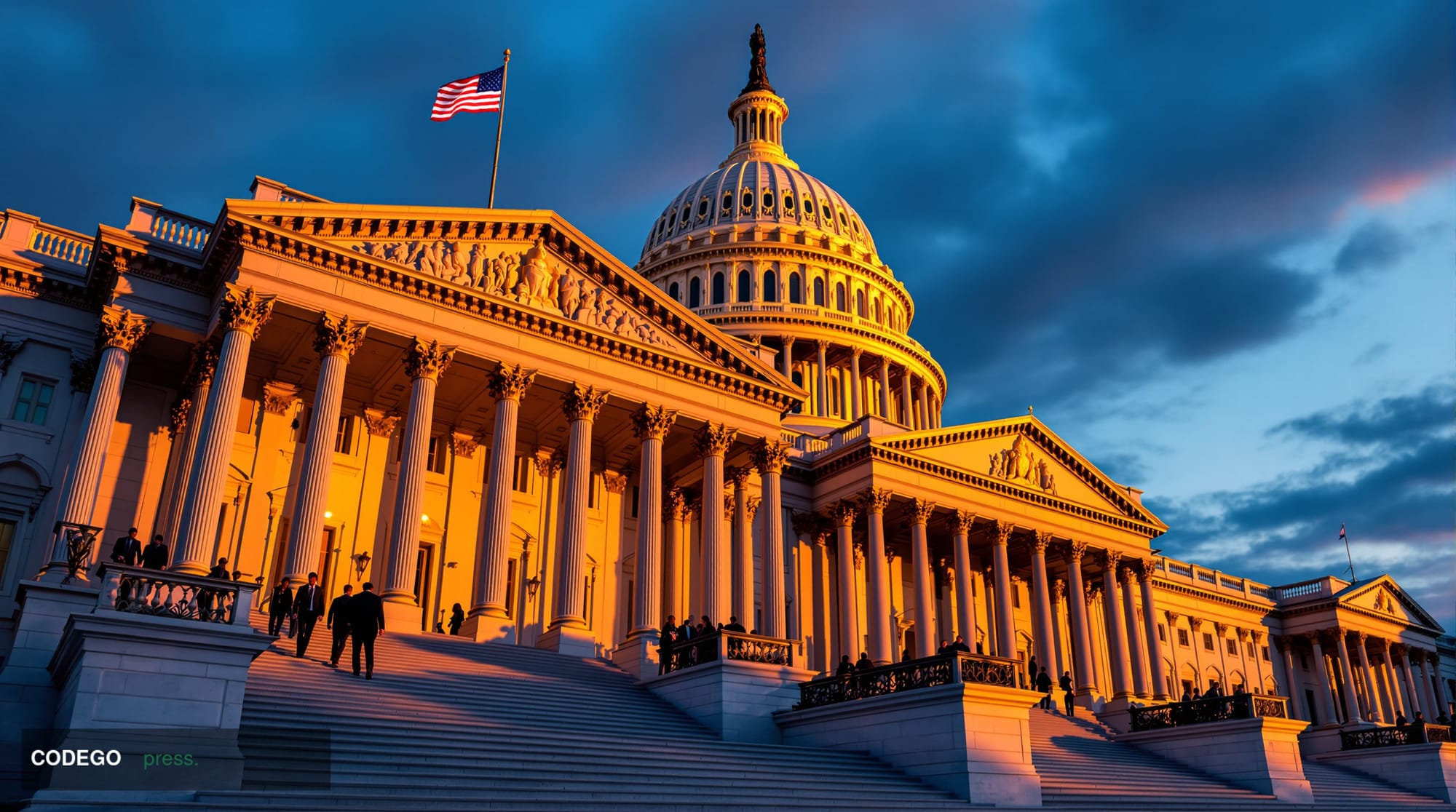
The long-awaited congressional deliberation over cryptocurrency market structure legislation has reached another pivotal moment, as the Senate Banking Committee has scheduled a Thursday markup session for the Clarity for Payment Stablecoins Act (CLARITY Act). After enduring months of procedural delays and political maneuvering, the bill now faces its next critical hurdle in what has become an increasingly contentious legislative process.
The scheduling of this markup session represents a significant procedural advancement for cryptocurrency regulation advocates, yet the path forward remains fraught with political uncertainty. Even if the Banking Committee successfully advances the legislation, the CLARITY Act would still require substantial Democratic support to secure passage on the Senate floor—a prospect that appears increasingly challenging given the current political dynamics surrounding digital asset regulation.
Ethics Concerns Drive Democratic Resistance
The primary obstacle to broader Democratic support centers on persistent ethics concerns that have emerged as a defining characteristic of the current legislative debate. These ethical considerations have created a fundamental divide between party lines, with Democratic lawmakers expressing reservations about various provisions within the proposed market structure framework. The nature of these concerns reflects deeper philosophical differences about how digital assets should be integrated into the existing financial regulatory ecosystem.
The timing of Thursday's markup session comes after what sources describe as months of delays, suggesting that committee leadership has been working behind the scenes to address some of the more contentious elements of the legislation. However, the persistence of ethics-related objections indicates that these efforts may not have been sufficient to bridge the partisan divide that has characterized much of the cryptocurrency regulatory discussion in Congress.
Market Structure Implications
The CLARITY Act represents one of the most comprehensive attempts to establish a regulatory framework for digital assets within the traditional banking and financial services structure. The legislation's market structure provisions would potentially reshape how cryptocurrency businesses operate, interact with traditional financial institutions, and comply with federal oversight requirements. For the broader digital asset ecosystem, the bill's progression through committee markup represents a critical test of whether comprehensive crypto legislation can navigate the complex political landscape.
The committee's decision to proceed with markup despite ongoing Democratic resistance suggests confidence among Republican members and potentially some moderate Democrats that the legislation merits serious consideration. This procedural advancement also reflects the growing pressure from industry stakeholders who have been advocating for regulatory clarity in the digital asset space for several years.
Legislative Path Forward
Should the Banking Committee successfully advance the CLARITY Act through Thursday's markup session, the legislation would then face the more challenging prospect of securing floor passage in a closely divided Senate. The requirement for Democratic support creates a complex political calculation, as party leadership will need to weigh the potential benefits of cryptocurrency market structure legislation against the ethical concerns that have been raised by committee Democrats.
The broader implications of this legislative process extend beyond the immediate provisions of the CLARITY Act itself. The outcome of Thursday's markup and any subsequent floor consideration will likely influence the trajectory of future digital asset legislation and signal the political viability of comprehensive cryptocurrency regulation in the current congressional environment.
What This Means
Thursday's markup session represents a crucial inflection point for cryptocurrency regulation in the United States. While the scheduling of this committee action demonstrates meaningful legislative progress after months of delays, the persistence of ethics-related concerns among Democratic lawmakers suggests that the path to final passage remains uncertain. The outcome will not only determine the immediate fate of the CLARITY Act but also establish important precedents for how Congress approaches the complex intersection of digital asset innovation and traditional financial regulation. For industry participants and regulatory observers, Thursday's proceedings will provide critical insights into whether bipartisan consensus on cryptocurrency market structure is achievable in the current political environment.
Written by the editorial team — independent journalism powered by Codego Press.