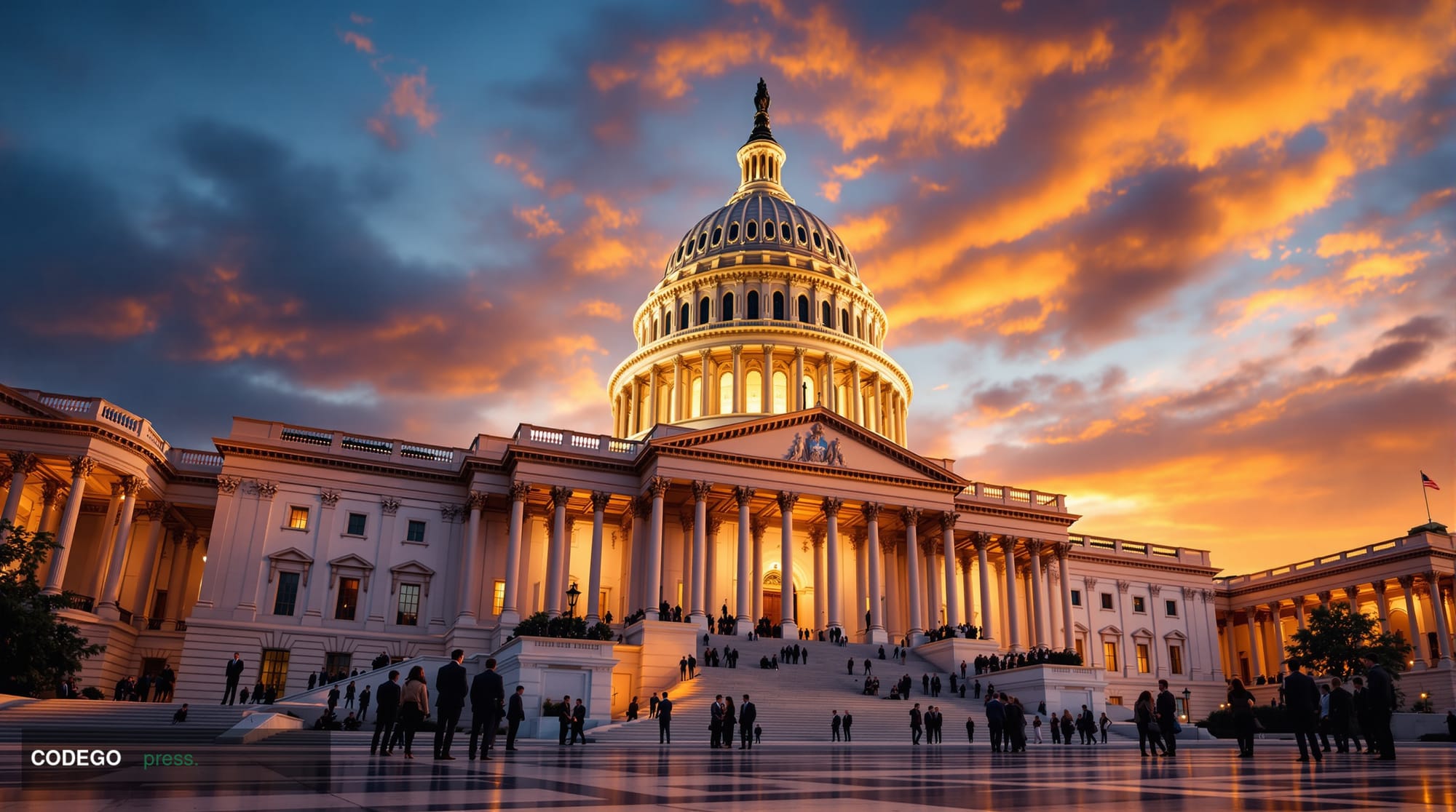
The United States Senate Banking Committee has scheduled a markup session for May 14, 2026, to advance comprehensive cryptocurrency legislation that industry observers describe as potentially transformative for digital asset regulation. This legislative milestone represents one of the most significant congressional actions on cryptocurrency policy in recent years, with implications extending far beyond Capitol Hill to trading floors, corporate boardrooms, and retail investment platforms worldwide.
The scheduled markup session signals congressional intent to address the regulatory vacuum that has long plagued the cryptocurrency sector. According to the committee's announcement, the legislation under consideration aims to clarify jurisdictional authority between federal agencies, potentially resolving the ongoing turf battles between the Securities and Exchange Commission and the Commodity Futures Trading Commission that have created uncertainty for market participants and hindered innovation in the digital asset space.
Regulatory Clarity at a Critical Juncture
The timing of this markup proves particularly significant given the cryptocurrency market's continued evolution and institutional adoption. Major financial institutions, from JPMorgan Chase to Goldman Sachs, have expanded their digital asset offerings, while retail participation has reached unprecedented levels. The absence of clear regulatory guidelines has forced these institutions to operate in a state of regulatory ambiguity, often limiting their engagement with cryptocurrency markets.
The proposed legislation's focus on jurisdictional authority could fundamentally reshape how cryptocurrency businesses operate within the United States. Current regulatory gaps have led to a patchwork of state-level regulations and federal enforcement actions that have created compliance challenges for both established financial institutions and cryptocurrency-native companies. Industry leaders have repeatedly called for comprehensive federal legislation that would provide the regulatory certainty necessary for continued innovation and growth.
Market Dynamics Under Scrutiny
The committee's action comes as cryptocurrency markets face increasing scrutiny from both domestic and international regulators. The legislation under markup could establish new frameworks for cryptocurrency exchanges, stablecoin issuers, and digital asset custody services, potentially altering competitive dynamics within these rapidly evolving sectors. Market participants anticipate that clearer regulatory guidelines could accelerate institutional adoption while simultaneously imposing new compliance burdens on existing players.
For cryptocurrency exchanges like Coinbase and Binance.US, the legislation could provide much-needed clarity on which digital assets qualify as securities and which fall under commodities jurisdiction. This distinction has profound implications for trading, custody, and market-making activities, as different regulatory frameworks impose varying requirements for disclosure, consumer protection, and market surveillance.
Investor Implications and Strategic Considerations
Investment strategies across both institutional and retail segments could undergo significant adjustments depending on the markup's outcomes. The legislation's approach to defining digital asset classifications may influence portfolio allocation decisions, risk management frameworks, and compliance protocols for investment managers overseeing cryptocurrency exposures. Traditional asset managers who have been cautious about cryptocurrency investments due to regulatory uncertainty may find themselves better positioned to enter these markets with appropriate guardrails in place.
The potential for enhanced regulatory clarity also carries implications for cryptocurrency pricing and market structure. Historical patterns suggest that regulatory certainty often correlates with increased institutional participation, which can contribute to reduced volatility and improved market liquidity. However, the specific provisions within the legislation will ultimately determine whether the regulatory framework proves conducive to continued market growth or imposes constraints that limit certain activities.
What This Means for the Digital Asset Ecosystem
The May 14 markup represents a watershed moment for cryptocurrency regulation in the United States, with potential ramifications extending across the entire digital asset ecosystem. Success in advancing comprehensive legislation could position the United States as a global leader in cryptocurrency regulation, potentially attracting international investment and encouraging innovation within domestic markets. Conversely, overly restrictive provisions could drive cryptocurrency businesses to more accommodating jurisdictions, potentially undermining American competitiveness in this emerging sector.
The legislation's impact on market dynamics and investor strategies will largely depend on its ability to balance innovation promotion with consumer protection and financial stability concerns. As the markup date approaches, industry stakeholders, consumer advocates, and financial institutions continue to engage with lawmakers to shape the final legislative language, recognizing that the decisions made in the coming weeks could influence cryptocurrency market development for years to come.
Written by the editorial team — independent journalism powered by Codego Press.