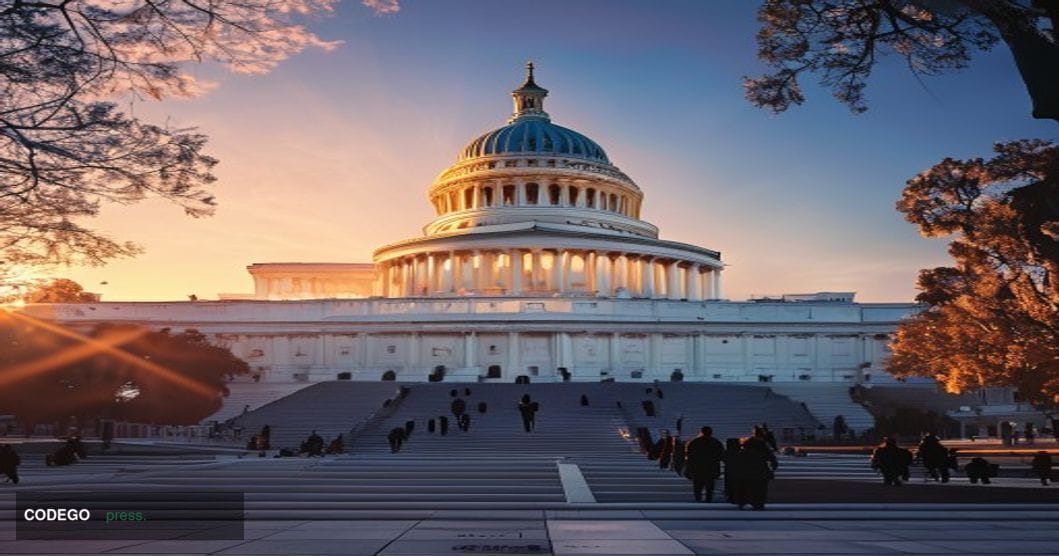
The United States Senate returns to session this week with cryptocurrency regulation once again taking center stage, as lawmakers prepare to resume debate on the CLARITY Act amid growing partisan divisions over ethics requirements. Democratic senators have drawn a firm line in the sand, signaling they will not support any version of the comprehensive crypto market structure legislation without robust provisions addressing potential conflicts of interest among elected officials.
The standoff represents a significant obstacle to advancing federal cryptocurrency regulation at a time when digital asset markets continue to mature and expand globally. The CLARITY Act, which aims to establish a comprehensive regulatory framework for digital assets in the United States, has been positioned as landmark legislation that could provide the regulatory certainty that crypto companies and investors have long sought. However, the Democratic insistence on ethics guardrails has introduced a new dimension to the already complex legislative negotiations.
The ethics provisions that Democratic lawmakers are demanding would specifically target potential conflicts of interest by elected officials who may hold cryptocurrency investments while simultaneously voting on legislation that could affect digital asset markets. This requirement reflects broader concerns about financial transparency and potential insider trading that have gained prominence in congressional discussions beyond just cryptocurrency policy. The demand underscores the increasing scrutiny of lawmakers' personal financial holdings and trading activities, particularly in emerging sectors like digital assets where regulatory decisions can have immediate and substantial market impacts.
Regulatory Uncertainty Persists
The continued delay in advancing comprehensive crypto legislation leaves the United States in a precarious position relative to other major economies that have moved more decisively to establish clear regulatory frameworks. The European Union has implemented its Markets in Crypto-Assets regulation, while jurisdictions like Singapore and the United Kingdom have made substantial progress in creating structured approaches to digital asset oversight. The American delay in establishing clear rules has led some crypto companies to consider relocating operations to more regulatory-friendly environments.
The CLARITY Act debate also comes at a time when traditional financial institutions are increasingly integrating cryptocurrency services into their offerings. Major banks have launched crypto custody services, while payment processors continue to expand their digital asset capabilities. Without clear federal guidelines, these institutions must navigate a patchwork of state regulations and federal agency guidance that often provides conflicting or incomplete direction.
The Democratic emphasis on ethics provisions reflects a broader trend toward increased oversight of elected officials' financial activities. Recent years have seen growing public attention to congressional trading patterns and potential conflicts of interest, with several high-profile cases raising questions about whether lawmakers have used non-public information to inform their investment decisions. The cryptocurrency sector, with its volatility and sensitivity to regulatory announcements, presents particularly acute potential for conflicts of interest.
Market Structure Implications
Beyond the immediate political dynamics, the stalled legislation has real implications for how cryptocurrency markets operate in the United States. The absence of clear market structure rules means that digital asset exchanges, custody providers, and other service providers must continue operating under regulatory uncertainty. This uncertainty affects not only domestic companies but also international firms considering entering the American market.
The debate over ethics provisions also highlights the unique challenges that cryptocurrency regulation presents for policymakers. Unlike traditional financial assets, cryptocurrencies can be held directly by individuals without intermediaries, making disclosure and monitoring more complex. The pseudonymous nature of many cryptocurrency transactions adds another layer of complexity to efforts to track and monitor potential conflicts of interest.
As the Senate reconvenes, the path forward for the CLARITY Act remains uncertain. The Democratic position on ethics requirements appears firm, suggesting that any progress will require either Republican acceptance of these provisions or a broader compromise that addresses Democratic concerns while maintaining Republican support for the underlying market structure framework. The outcome of these negotiations will likely determine whether the United States can establish a comprehensive federal approach to cryptocurrency regulation or whether the current regulatory fragmentation will persist.
The stakes extend beyond domestic policy considerations. American leadership in establishing effective cryptocurrency regulation could influence global standards and practices, while continued delay risks ceding that leadership role to other jurisdictions. The resolution of the ethics dispute may ultimately determine not just the fate of the CLARITY Act, but the broader trajectory of American cryptocurrency policy in an increasingly competitive global landscape.
Written by the editorial team — independent journalism powered by Codego Press.