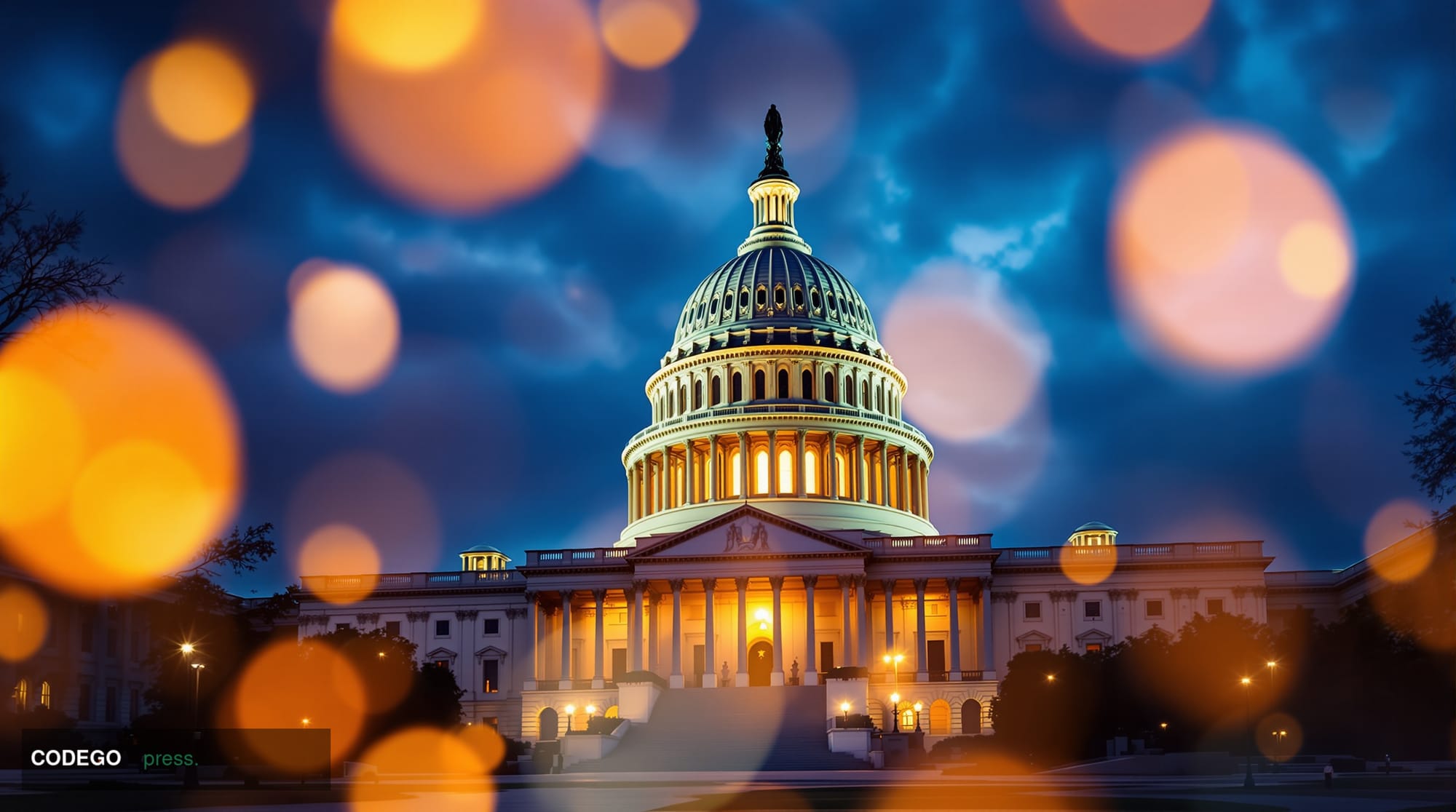
The United States Senate's passage of cryptocurrency legislation known as the Clarity Act marks a watershed moment for digital asset regulation that extends far beyond American borders, setting the stage for a global regulatory realignment that has both supporters celebrating and critics raising alarm bells about potential unintended consequences.
The legislative victory represents years of advocacy from crypto industry participants who have long argued that regulatory uncertainty has stifled innovation and driven blockchain companies overseas. Supporters of the Senate's crypto bill view the legislation as a critical step toward establishing clear rules of engagement for digital assets, potentially ending the regulatory limbo that has plagued the industry since Bitcoin's emergence over a decade ago.
However, the bill's passage has generated significant concern among opponents who worry about the legislation's potential reverberations across international markets. The global nature of cryptocurrency networks means that American regulatory decisions inevitably influence how other nations approach digital asset oversight, creating a domino effect that could reshape the entire international regulatory landscape.
International Implications of American Leadership
The United States' position as the world's largest economy and home to major cryptocurrency exchanges like Coinbase gives American regulatory decisions outsized influence on global crypto markets. When Congress acts on digital assets, international regulators, financial institutions, and blockchain companies worldwide must recalibrate their strategies to account for potential spillover effects.
European Union regulators have been closely monitoring American legislative developments as they finalize their own Markets in Crypto Assets (MiCA) regulation. The timing of the Senate's action creates both opportunities for regulatory harmonization and risks of fragmented approaches that could complicate cross-border crypto operations. Asian markets, particularly those in Singapore, Hong Kong, and Japan, are similarly positioned to respond to American regulatory leadership.
The excitement among supporters stems largely from expectations that clear American rules will provide a template for other jurisdictions seeking to balance innovation with consumer protection. Industry advocates argue that regulatory clarity in the world's largest economy will attract institutional investment and encourage responsible development of blockchain technologies globally.
Concerns Over Regulatory Overreach
Critics of the legislation express concern that the bill's approach may be too restrictive or prescriptive, potentially stifling the decentralized ethos that originally drove cryptocurrency adoption. These opponents worry that other countries may adopt similarly stringent measures, creating a global regulatory environment that favors traditional financial institutions over innovative blockchain startups.
The cross-border nature of cryptocurrency transactions means that overly rigid American rules could inadvertently push trading activity to less regulated jurisdictions, potentially undermining both consumer protection and market stability objectives. Some industry observers fear that the bill's requirements could create compliance burdens that smaller crypto companies cannot afford, leading to market consolidation that reduces competition and innovation.
International crypto companies are particularly concerned about how the legislation might affect their ability to serve American customers or access American markets. The global interconnectedness of cryptocurrency networks means that regulatory decisions in one major jurisdiction can create compliance challenges for companies operating worldwide, potentially forcing difficult choices about market access and business models.
What This Means
The Senate's passage of the Clarity Act represents more than domestic policy making—it constitutes a pivotal moment in the evolution of global cryptocurrency regulation. As the first major economy to establish comprehensive crypto legislation, the United States is effectively setting international standards that will influence regulatory approaches worldwide for years to come. While supporters celebrate the potential for increased institutional adoption and clearer operating parameters, critics' concerns about global regulatory fragmentation and innovation constraints reflect the complex challenges inherent in governing truly borderless digital assets. The international community's response to American leadership in this space will ultimately determine whether the legislation achieves its goals of promoting responsible innovation while protecting consumers, or whether it inadvertently creates new barriers to the global development of blockchain technology.
Written by the editorial team — independent journalism powered by Codego Press.