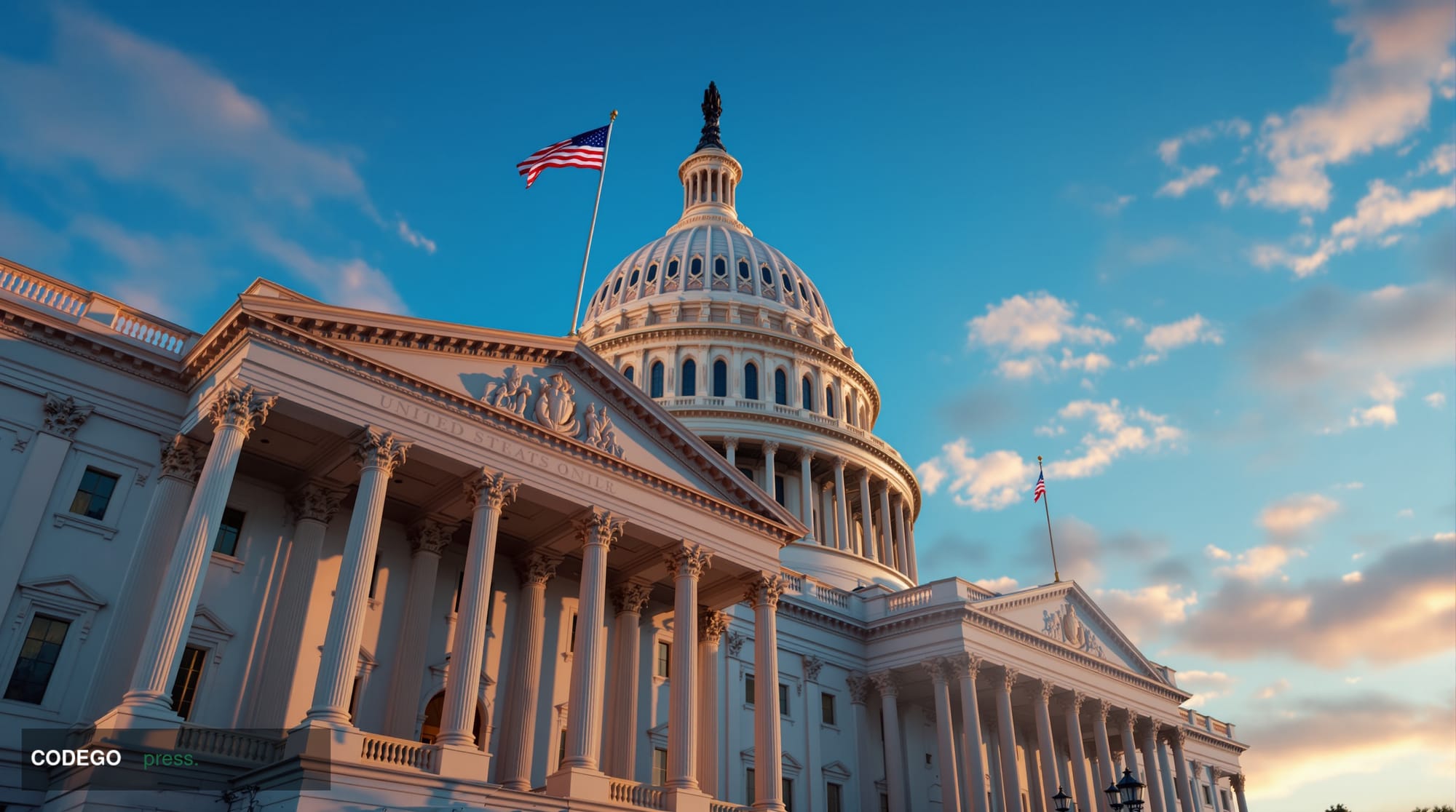
The United States Senate stands poised to advance landmark cryptocurrency legislation that could fundamentally reshape the regulatory landscape for digital assets. The Senate Committee is scheduled to consider the Clarity Act next week, marking a critical juncture for an industry that has long operated in regulatory ambiguity while competing for global market share.
The proposed legislation represents a comprehensive attempt to establish clear regulatory frameworks for cryptocurrency operations within the United States. The Clarity Act's primary objective centers on providing the regulatory certainty that has eluded the digital asset sector, potentially unlocking significant investment flows and enhancing America's competitive position in the global cryptocurrency market.
Industry observers and market participants have closely monitored the bill's progression, recognizing that regulatory clarity could serve as a catalyst for increased institutional adoption and innovation. The legislation arrives at a time when other jurisdictions, particularly in Europe and Asia, have moved aggressively to establish comprehensive digital asset frameworks, potentially drawing investment and talent away from American markets.
The potential economic implications of the Clarity Act extend beyond mere regulatory compliance. By establishing clear operational parameters, the legislation could encourage venture capital investment, facilitate the development of new financial products, and support the growth of cryptocurrency-focused enterprises. The promise of regulatory certainty has been repeatedly cited by industry leaders as a prerequisite for large-scale institutional participation in digital asset markets.
However, the path to legislative approval faces significant challenges, particularly regarding stablecoin regulations embedded within the broader framework. These provisions have emerged as a contentious element, reflecting broader debates about the appropriate level of oversight for digital currencies designed to maintain stable values relative to traditional assets like the US dollar.
The stablecoin controversy highlights the complex balance lawmakers must strike between fostering innovation and protecting consumers and financial stability. Major stablecoin issuers, including Circle and Tether, have built substantial market positions, with their tokens serving as crucial infrastructure for cryptocurrency trading and decentralized finance applications.
The timing of the Senate Committee's consideration reflects the urgency surrounding cryptocurrency regulation. As digital asset markets continue to mature and institutional adoption accelerates, the absence of clear regulatory guidelines has created operational uncertainties for businesses and compliance challenges for financial institutions seeking to offer cryptocurrency services to their clients.
The legislation's progression through the committee process will likely involve detailed examination of its provisions and potential amendments to address concerns raised by various stakeholders. Banking regulators, industry representatives, and consumer advocacy groups have all weighed in on different aspects of the proposed framework, creating a complex political dynamic that committee members must navigate.
Beyond immediate regulatory considerations, the Clarity Act's treatment could signal broader congressional attitudes toward digital asset innovation and financial technology advancement. The bill's success or failure may influence future legislative efforts and regulatory approaches, making next week's committee deliberations particularly significant for the long-term development of American cryptocurrency policy.
The global competitive implications of the legislation cannot be understated. As other major economies establish comprehensive digital asset frameworks, the United States faces pressure to provide similar clarity or risk losing its position as a leading financial innovation hub. The committee's decision could therefore have ramifications extending well beyond domestic cryptocurrency markets.
Written by the editorial team — independent journalism powered by Codego Press.