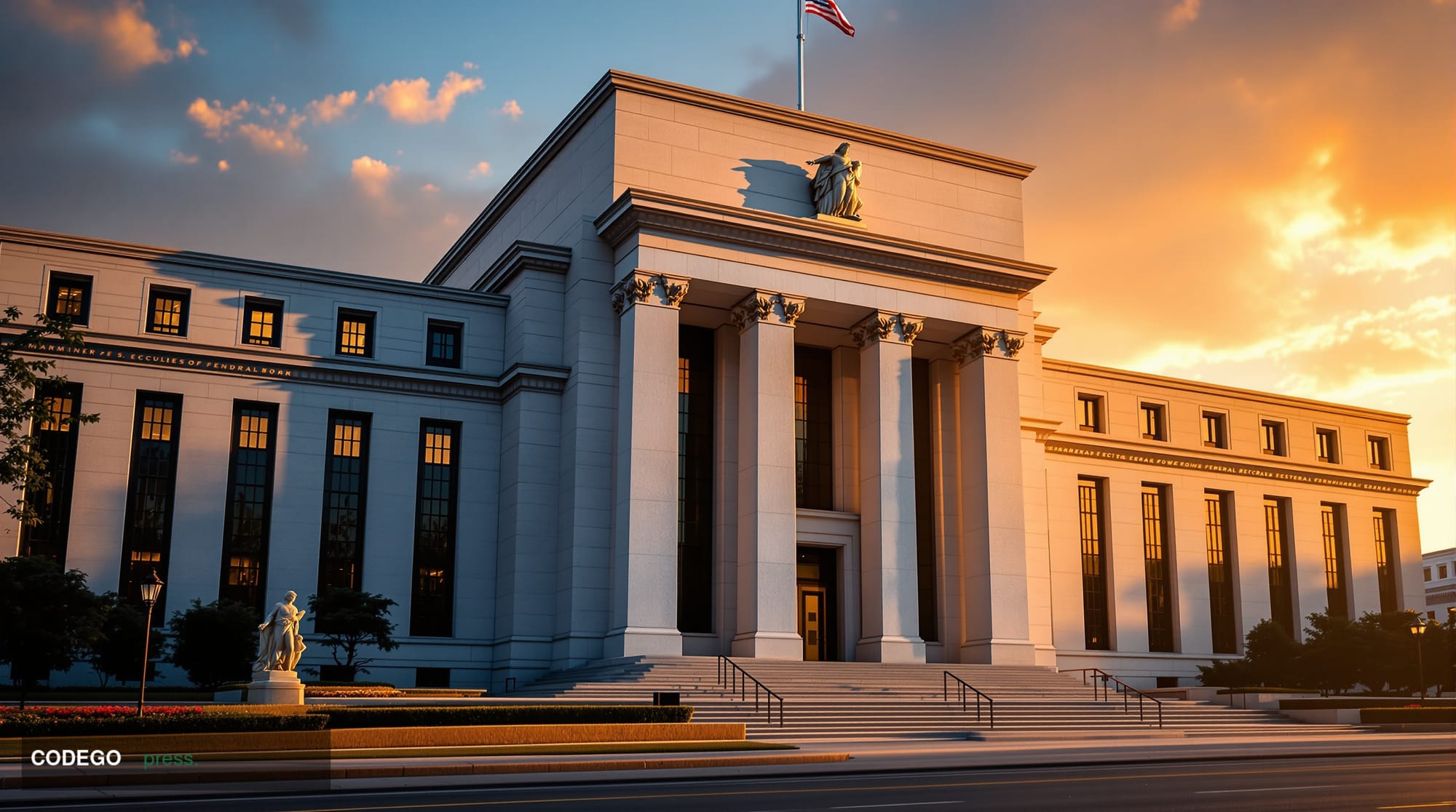
The United States Senate has confirmed Kevin Warsh as the next chair of the Federal Reserve, setting the stage for a potentially transformative period in American monetary policy amid growing questions about central bank independence under the Trump administration.
The confirmation vote proceeded largely along party lines, reflecting the deep political divisions surrounding monetary policy and the role of the nation's central bank. Warsh's appointment marks a significant shift from the tenure of his predecessor, Jerome Powell, whose relationship with President Trump was marked by public criticism over interest rate decisions and monetary policy direction.
The confirmation process has illuminated fundamental concerns about whether Warsh will maintain the Federal Reserve's traditional independence from political pressure or align more closely with President Trump's stated preferences on interest rate policy. This tension strikes at the heart of central banking principles that have guided American monetary policy for decades, where the Fed's dual mandate of price stability and full employment has been pursued through decisions insulated from short-term political considerations.
Warsh brings considerable experience to the role, having previously served on the Federal Reserve Board of Governors from 2006 to 2011, a period that encompassed the financial crisis and its aftermath. His background includes work as an investment banker at Morgan Stanley before joining the Fed during the Bush administration. This Wall Street experience, combined with his academic credentials from Stanford University, positions him uniquely among recent Fed chairs who have typically emerged from academic economics backgrounds.
The concerns about central bank independence reflect broader anxieties about institutional autonomy in the current political environment. Trump's previous public criticisms of Powell centered on interest rate policies that the former president viewed as insufficiently accommodative to economic growth objectives. These tensions raised questions about whether political considerations might influence monetary policy decisions that traditionally rest on economic data and long-term stability considerations.
Financial markets will likely scrutinize Warsh's early communications and policy signals for indications of his approach to balancing political pressures with traditional Fed independence. His stance on key issues including inflation targeting, employment objectives, and the appropriate pace of interest rate adjustments will provide crucial insights into how the central bank's mission might evolve under his leadership. The broader implications extend beyond domestic monetary policy to international perceptions of American financial stability and the dollar's role as the global reserve currency.
The confirmation also occurs against the backdrop of significant economic challenges, including persistent inflation concerns, labor market dynamics, and the ongoing effects of previous monetary policy decisions. Warsh inherits an institution that has navigated unprecedented challenges in recent years, from the pandemic-era emergency measures to the subsequent efforts to normalize monetary policy. His ability to maintain market confidence while addressing these complex economic conditions will define his tenure and the Fed's credibility going forward.
Written by the editorial team — independent journalism powered by Codego Press.