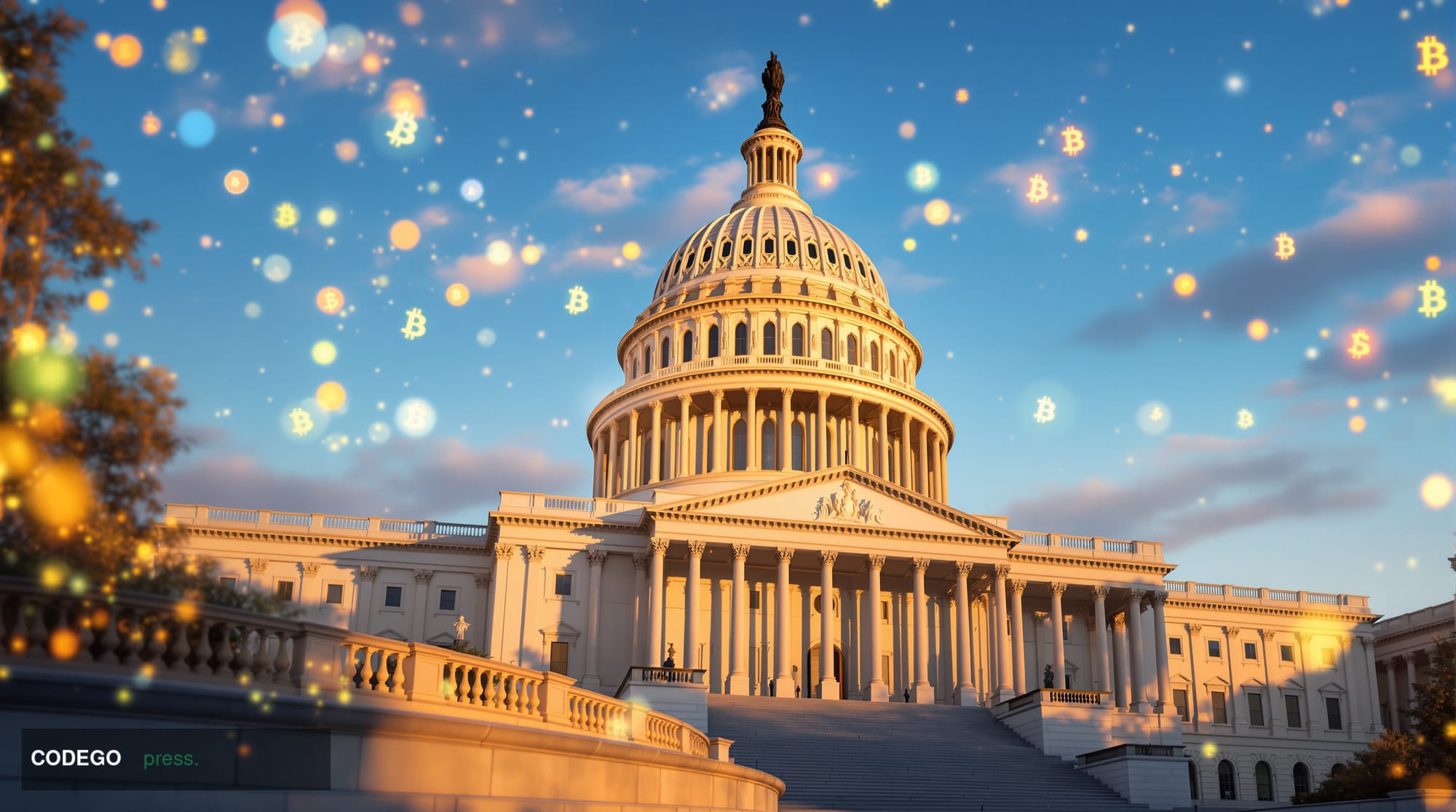
The United States cryptocurrency industry has found a potential pathway out of regulatory purgatory as Senator Cynthia Lummis throws her support behind the CLARITY Act, a legislative initiative designed to establish definitive regulatory frameworks for digital assets. This development represents a significant step toward resolving the jurisdictional ambiguity that has plagued American crypto markets and deterred institutional capital from entering the space.
The CLARITY Act emerges at a critical juncture when regulatory uncertainty has become the primary impediment to cryptocurrency market maturation in the United States. Unlike many other financial instruments that operate under well-established regulatory frameworks, digital assets have existed in a gray zone where multiple agencies—including the Securities and Exchange Commission and the Commodity Futures Trading Commission—have claimed overlapping jurisdiction without providing clear operational guidelines.
Senator Lummis's endorsement carries particular weight given her position as a vocal advocate for responsible cryptocurrency regulation and her service on key Senate committees overseeing financial services. Her support suggests the legislation has gained meaningful political momentum beyond its initial sponsors, potentially increasing its chances of advancing through the legislative process. The Wyoming senator has consistently argued that regulatory clarity, rather than restrictive oversight, represents the most effective approach to fostering innovation while protecting consumers.
The potential market stabilization effects of the CLARITY Act could prove transformative for the American cryptocurrency ecosystem. Regulatory certainty has long been identified as a prerequisite for institutional investment, with many large financial institutions citing compliance concerns as barriers to significant cryptocurrency exposure. By establishing clear rules of engagement, the legislation could unlock billions of dollars in institutional capital that has remained on the sidelines due to regulatory ambiguity.
The timing of this legislative push coincides with increasing global competition in cryptocurrency regulation. While the United States has struggled with fragmented oversight, other jurisdictions have implemented comprehensive regulatory frameworks that have attracted cryptocurrency businesses and investment. The European Union's Markets in Crypto-Assets regulation and similar initiatives in jurisdictions like Singapore and the United Kingdom have created competitive advantages that the CLARITY Act aims to counter.
For institutional investors, regulatory certainty represents more than mere compliance convenience—it fundamentally alters risk assessment calculations. Major financial institutions, pension funds, and asset managers require clear regulatory frameworks to satisfy fiduciary responsibilities and internal risk management protocols. The absence of such frameworks has forced many institutions to forgo cryptocurrency investments entirely, regardless of their potential returns or portfolio diversification benefits.
The broader implications extend beyond immediate market effects to encompass America's position in the global digital finance landscape. As other nations advance comprehensive cryptocurrency regulations, the United States risks ceding technological and financial leadership in what many consider the future of monetary systems. The CLARITY Act represents an attempt to reclaim that leadership while maintaining the regulatory standards necessary to protect American investors and maintain market integrity.
The legislative path ahead remains complex, with various stakeholders likely to propose amendments and modifications before any final passage. However, Senator Lummis's support signals growing bipartisan recognition that regulatory inaction poses greater risks than carefully crafted oversight frameworks. The cryptocurrency industry's evolution from experimental technology to mainstream financial infrastructure demands corresponding evolution in regulatory approaches.
Written by the editorial team — independent journalism powered by Codego Press.