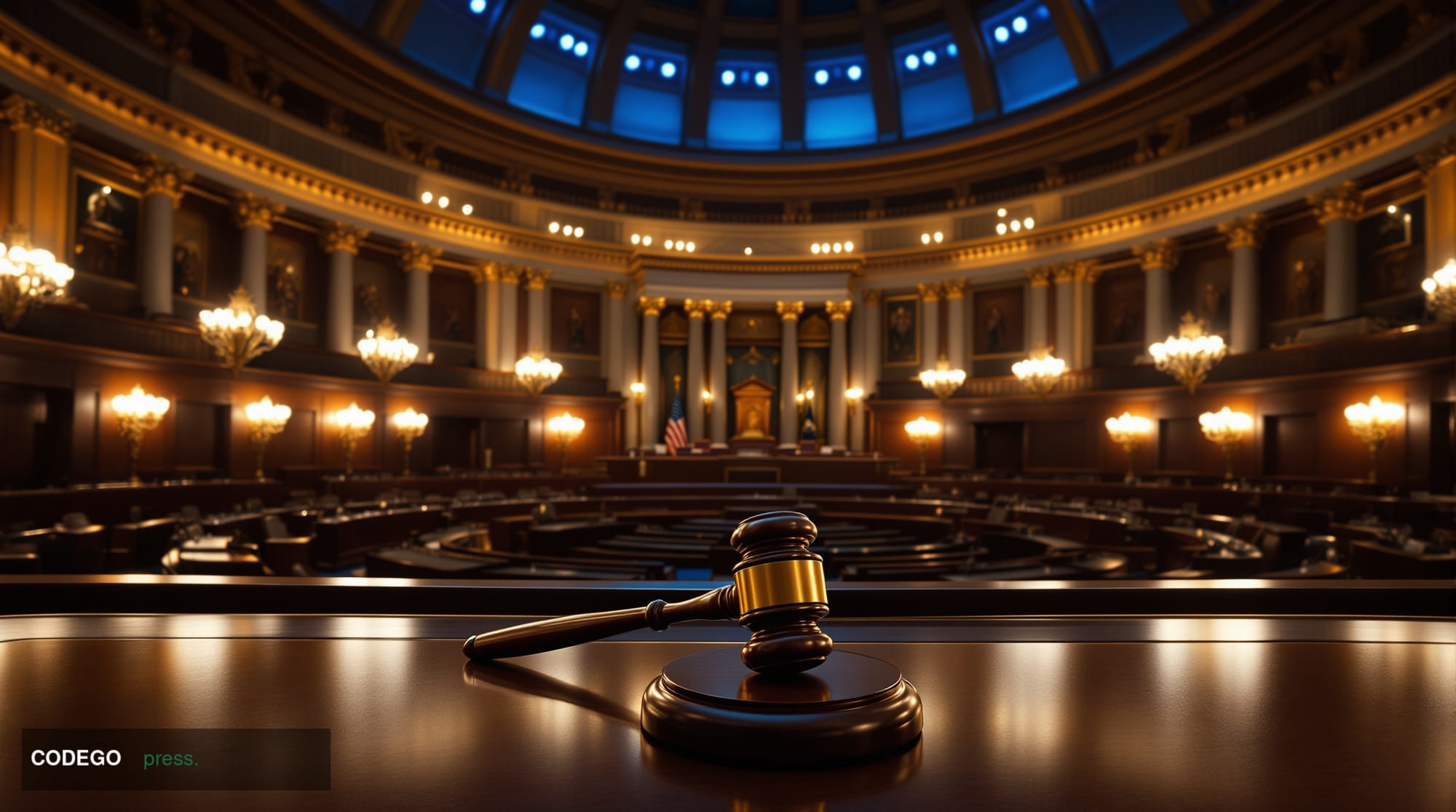
Seven Democratic senators voted this week to block the CLARITY Act — a major piece of cryptocurrency market structure legislation — only to follow that vote with a public statement reaffirming their personal commitment to advancing crypto regulation through Congress. The apparent contradiction has thrown the legislative future of digital-asset oversight into fresh uncertainty, even as the senators insist the story is far from over.
The senators in question — Kirsten Gillibrand, Angela Alsobrooks, Cory Booker, Catherine Cortez Masto, Ruben Gallego, Mark Warner, and Raphael Warnock — represent a notable cross-section of the Democratic caucus. Their collective vote against the CLARITY Act was decisive enough to effectively kill the bill, at least in its current form and for the immediate legislative term. Yet within hours, the same group published a joint statement declaring that Democrats remain committed to passing meaningful crypto legislation, framing their opposition as procedural or substantive rather than ideological.
The optics are, to put it plainly, deeply awkward. Voting down a bill and then pledging allegiance to its underlying mission is a maneuver that invites skepticism from the digital-asset industry, which has spent years and considerable lobbying capital pressing Congress for regulatory clarity. For an industry that has watched multiple legislative attempts stall — through partisan gridlock, regulatory turf wars between the Securities and Exchange Commission and the Commodity Futures Trading Commission, and broader political volatility — the sight of supportive senators voting against a bill they claim to endorse will register as a deeply familiar frustration.
To be fair to the seven senators, there is a legitimate legislative logic to this kind of maneuver. Voting against cloture or against a bill on procedural grounds, while simultaneously pushing for a revised or strengthened version, is a well-established Senate tactic. A senator can sincerely believe in the purpose of legislation while judging that a specific bill as written is flawed, premature, or politically untenable in its current configuration. Whether that is what motivated these seven individuals is a question the statement alone cannot fully answer, since its language — as reported — focused on commitment to the broad goal rather than spelling out specific objections to the CLARITY Act's text.
What the episode does clarify, with some irony, is the state of bipartisan crypto regulation in the United States Senate as of September 2026. Broad consensus exists that some form of market structure legislation is necessary. The Bank for International Settlements and international regulatory bodies have repeatedly flagged the absence of a coherent American framework as a systemic gap. Major industry players from Coinbase to institutional asset managers have lobbied for defined rules governing which digital assets are securities, which are commodities, and how exchanges must register and operate. The CLARITY Act was intended to address precisely those questions. That it has now been voted down — by senators who claim to want it to pass — suggests the problem is less a lack of will and more a negotiation over the specific terms of engagement.
The political calendar adds additional pressure. With each passing legislative session, the window for complex financial regulation narrows as electoral considerations crowd the congressional agenda. The crypto industry, which has grown substantially as an organized political constituency, will be watching carefully to see whether the seven senators translate their statement into concrete action — co-sponsoring amendments, engaging in committee negotiations, or publicly identifying the specific provisions that drove their opposition. Words issued after a failed vote carry weight only if they are followed by visible legislative work.
There is also a broader Democratic Party dynamic worth noting. The party has been slowly, and at times reluctantly, shifting toward engagement with the digital-asset sector after years of skepticism associated with tighter regulatory instincts. Senators like Gillibrand have long been relatively crypto-friendly by Democratic standards. The fact that even crypto-sympathetic members voted against the CLARITY Act suggests the bill encountered objections serious enough to outweigh political alignment — which in turn implies the next version of the legislation will need to be substantially renegotiated before it can clear the Senate floor.
What This Means
The death of the CLARITY Act in its current form is a setback for the digital-asset industry, but the joint statement from the seven Democratic senators signals that the legislative conversation is not closed. The path forward almost certainly runs through a revised bill — one that addresses whatever substantive or procedural concerns drove seven ostensibly supportive senators to vote no. For crypto markets, exchanges, and institutional investors seeking regulatory certainty, the message from Capitol Hill this week is simultaneously discouraging and, in a narrow sense, clarifying: there is a majority willing to act, but not yet a majority willing to act on this specific text. The industry's next move is to find out exactly what text would be acceptable — and to hold these seven senators to the commitment they have now made publicly.
Written by the editorial team — independent journalism powered by Codego Press.