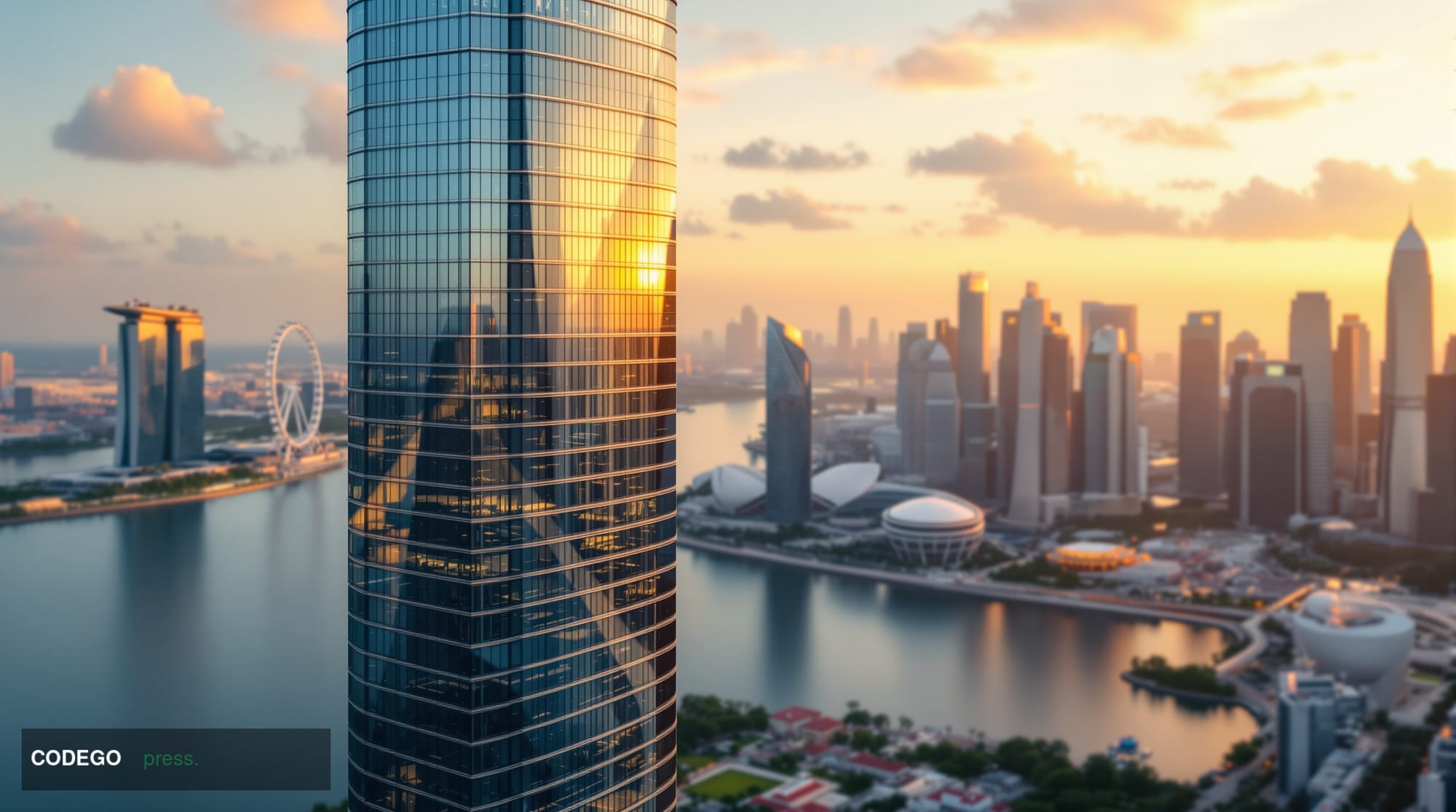
Singapore's financial regulatory framework is poised for a significant transformation as lawmakers advance legislation designed to create a dual listing mechanism between the Singapore Exchange (SGX) and Nasdaq. The Securities and Futures (Amendment) Bill, which reached its Second Reading on Thursday, May 7, represents a strategic pivot toward enhanced market connectivity that could reshape the city-state's position in global capital markets.
The legislative initiative, championed by the Monetary Authority of Singapore (MAS), emerges from a comprehensive review of Singapore's market competitiveness challenges. According to remarks delivered by Chee Hong from MAS, the dual listing framework addresses longstanding barriers that have limited cross-border initial public offering activity between Asian and American markets. The proposed amendments would establish a regulatory pathway for companies to maintain simultaneous listings on both exchanges, potentially unlocking new capital formation opportunities.
The timing of Singapore's dual listing push reflects broader competitive pressures facing Asian financial centers. Hong Kong's market dominance in cross-border listings has been challenged by geopolitical tensions and regulatory uncertainty, creating an opening for Singapore to position itself as a more stable alternative for international capital raising. The SGX-Nasdaq framework specifically targets technology and growth companies that seek access to both Asian and American investor bases without the complexity of maintaining separate listing standards.
From a regulatory architecture perspective, the Securities and Futures (Amendment) Bill would harmonize disclosure requirements and corporate governance standards between the two exchanges. This technical alignment represents months of bilateral negotiations between Singapore and United States securities regulators, addressing everything from audit standards to insider trading provisions. The framework would particularly benefit companies in sectors where cross-border investor interest remains strong, including fintech, biotechnology, and sustainable technology ventures.
The economic implications extend beyond individual company listings to Singapore's broader ambitions as a financial hub. Dual listing capabilities could attract more international companies to establish regional headquarters in Singapore, knowing they can access global capital markets more efficiently. This strategic positioning becomes increasingly valuable as companies navigate supply chain diversification and seek alternatives to traditional Hong Kong-based listing strategies.
Market infrastructure considerations also play a crucial role in the framework's potential success. SGX has invested heavily in technology upgrades and settlement systems that can accommodate increased trading volumes from dual-listed securities. The exchange's existing relationships with international institutional investors provide a foundation for marketing dual-listed securities to global fund managers who may have limited exposure to Asian markets through traditional channels.
The legislative process now moves toward final parliamentary approval, with implementation expected to begin in the latter half of 2026. Early indicators suggest strong interest from technology companies and private equity-backed firms that have been evaluating Singapore as a listing destination. The success of this initiative will likely influence other regional exchanges to develop similar cross-border frameworks, potentially accelerating the integration of global equity markets.
Singapore's dual listing framework represents more than a regulatory update—it signals a fundamental shift toward market interconnectedness that could redefine how international companies approach capital raising in an increasingly multipolar financial landscape. The framework's success will ultimately depend on execution quality and the ability to attract high-quality issuers who can demonstrate the value proposition to investors across both jurisdictions.
Written by the editorial team — independent journalism powered by Codego Press.