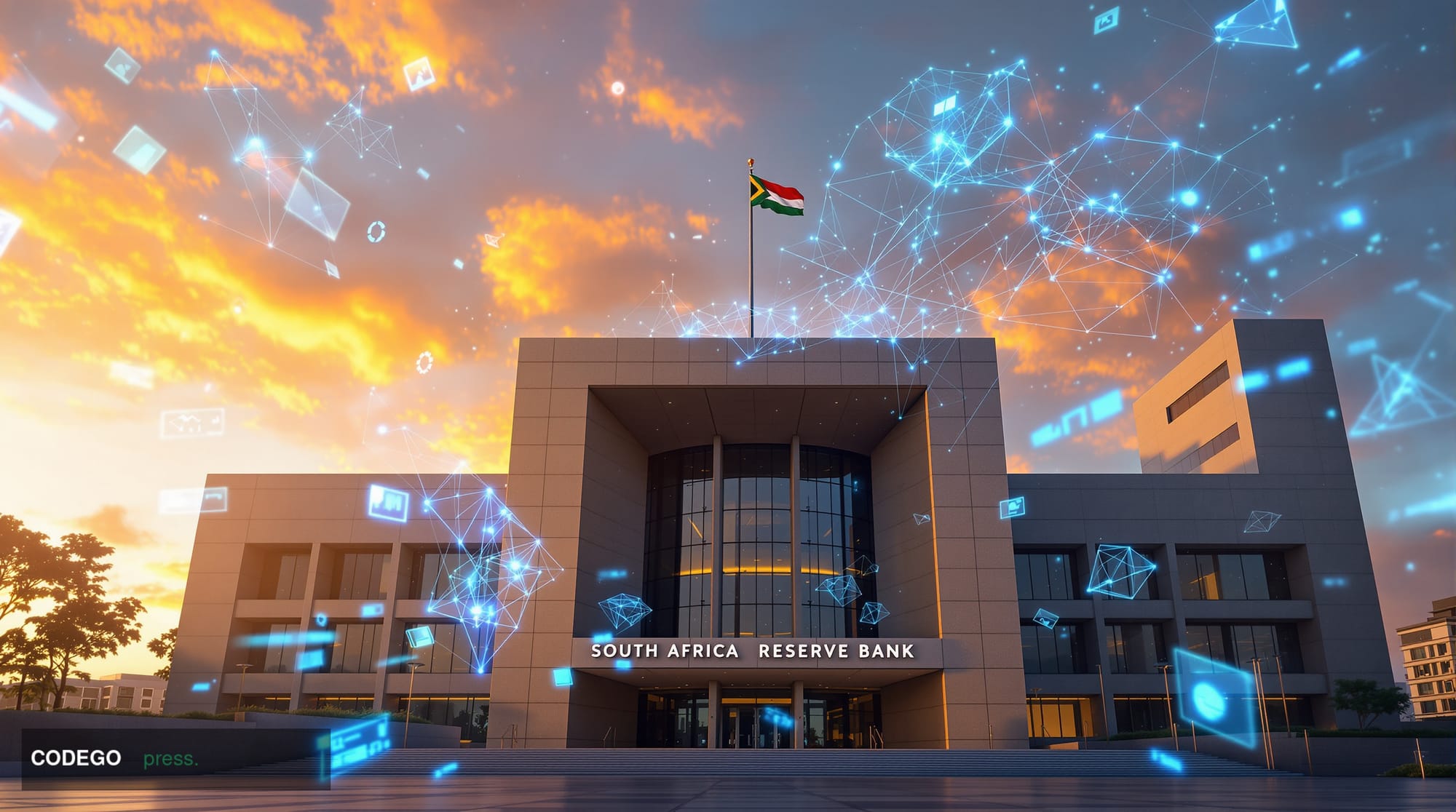
South African financial regulators are positioning themselves at the forefront of artificial intelligence oversight, as South African Reserve Bank Deputy Governor Fundi Tshazibana delivered a comprehensive address on AI regulation frameworks at the University of Johannesburg. Speaking in her dual capacity as CEO of the Prudential Authority, Tshazibana outlined the regulatory challenges and opportunities presented by artificial intelligence integration across South Africa's financial sector.
The May 8 address represents a significant moment for South African financial regulation, as the country grapples with balancing innovation encouragement against systemic risk management. Tshazibana's position as both Deputy Governor of the central bank and head of the Prudential Authority provides her with unique insight into the supervisory complexities that AI technologies introduce to traditional banking oversight.
Regulatory Framework Development
The speech signals South Africa's commitment to developing comprehensive regulatory approaches for AI implementation in financial services. As Deputy Governor, Tshazibana oversees critical aspects of monetary policy and financial stability, while her role as Prudential Authority CEO places her directly responsible for supervising banks, insurers, and other financial institutions. This dual perspective is crucial as AI technologies increasingly blur the lines between different financial service categories.
The University of Johannesburg venue for this address underscores the academic-regulatory collaboration essential for effective AI governance. Universities serve as crucial testing grounds for AI research, while regulatory bodies must translate theoretical frameworks into practical supervisory tools. Tshazibana's academic engagement demonstrates the South African Reserve Bank's recognition that AI regulation requires input from multiple stakeholders beyond traditional financial industry participants.
International Regulatory Context
South Africa's approach to AI regulation in financial services comes as global regulators struggle with similar challenges. The Bank for International Settlements has increasingly focused on AI governance frameworks, while major economies implement varying degrees of AI oversight. Tshazibana's address positions South Africa as an active participant in international regulatory discussions rather than merely adopting frameworks developed elsewhere.
The timing of the address, occurring in 2026, places it within a critical period for global AI regulation development. Major jurisdictions are implementing comprehensive AI governance frameworks, and emerging markets like South Africa face pressure to establish robust oversight mechanisms while maintaining competitive positions in financial technology innovation.
Supervisory Implementation Challenges
The Prudential Authority's approach to AI supervision represents a practical test case for regulatory frameworks in emerging market contexts. Unlike developed markets with extensive fintech ecosystems, South Africa must balance AI innovation encouragement against limited regulatory resources and varying levels of technological sophistication across financial institutions.
Tshazibana's academic setting for this address suggests the importance of theoretical grounding in practical regulatory implementation. The University of Johannesburg provides an environment for discussing complex AI governance concepts without immediate market pressures, allowing for more comprehensive exploration of regulatory approaches.
Industry Impact and Future Directions
The address represents a milestone in South African financial regulation, as traditional banking supervision evolves to accommodate artificial intelligence integration. Financial institutions operating in South Africa will need to adapt their AI development and deployment strategies to align with emerging regulatory expectations outlined by the Prudential Authority.
The speech's academic venue also highlights the growing importance of university-regulator partnerships in developing AI governance frameworks. As artificial intelligence technologies become more sophisticated, regulatory bodies increasingly rely on academic research to inform policy development and supervisory practices.
Tshazibana's dual role as both central bank Deputy Governor and Prudential Authority CEO provides unique authority for establishing comprehensive AI oversight frameworks. This positioning allows for coordination between monetary policy considerations and prudential supervision requirements, essential for effective AI governance in financial services.
The May 2026 timing of this address places South Africa's regulatory approach within the global context of increasing AI governance urgency. As financial institutions worldwide accelerate AI adoption, regulatory frameworks must evolve quickly to maintain financial stability while supporting beneficial innovation. Tshazibana's academic engagement demonstrates South Africa's commitment to thoughtful, well-researched approaches to this regulatory challenge.
Written by the editorial team — independent journalism powered by Codego Press.