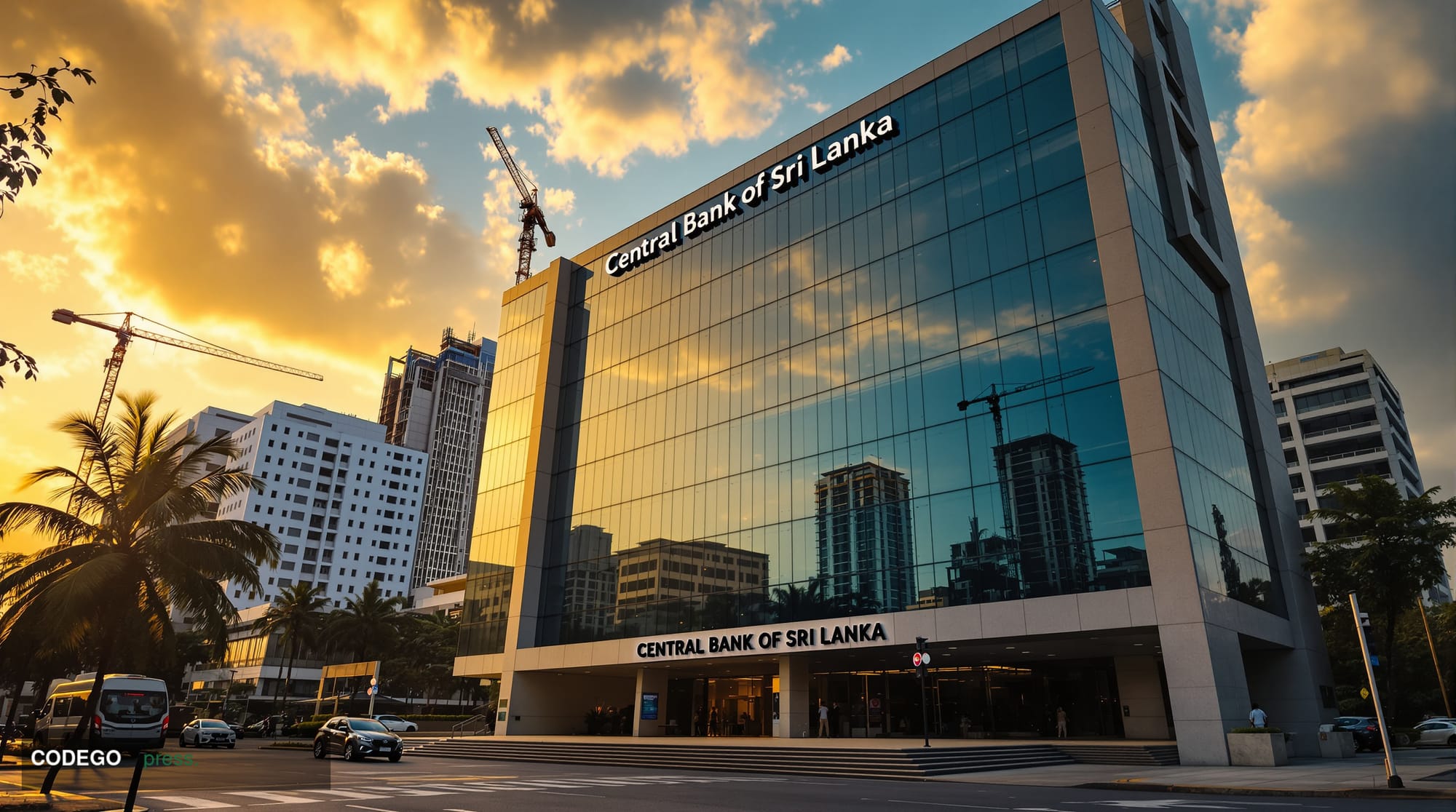
The intersection of monetary policy and poverty alleviation took center stage in Colombo last week as Central Bank of Sri Lanka Deputy Governor Dr Chandranath Amarasekara delivered a keynote address at a landmark international conference examining development challenges during times of crisis.
Speaking at the 25th anniversary celebration of the Centre for Poverty Analysis (CEPA), Amarasekara addressed delegates at the International Conference on "Poverty and development in times of crisis" on May 7, positioning Sri Lanka's central banking leadership at the forefront of discussions about economic resilience and social equity.
The timing of this conference underscores the critical juncture facing emerging economies as they navigate post-pandemic recovery while addressing persistent poverty challenges. Sri Lanka's central bank has been particularly active in recent years, implementing monetary policies designed to support economic stability while ensuring that growth benefits reach the most vulnerable populations.
CEPA's quarter-century milestone represents a significant achievement in South Asian development research. Established as an independent think tank focused on poverty analysis and policy research, the organization has become a respected voice in regional development discourse. The centre's longevity speaks to the enduring relevance of poverty research in shaping effective economic policies across the Indian Ocean region.
Central bank officials increasingly recognize that monetary policy cannot operate in isolation from broader social objectives. The participation of Sri Lanka's Deputy Governor in this poverty-focused conference signals a growing acknowledgment within monetary authorities that price stability and financial sector health must be balanced against inclusive growth imperatives.
The international nature of the conference reflects the global scope of poverty challenges that transcend national boundaries. With emerging economies facing complex pressures from inflation, debt sustainability, and external shocks, the insights shared at such gatherings become crucial for policy coordination and best practice sharing among developing nations.
Sri Lanka's central banking establishment has been navigating significant economic headwinds in recent years, making the Deputy Governor's engagement with poverty researchers particularly relevant. The country's monetary authorities have been working to maintain financial stability while supporting policies that protect vulnerable populations from economic volatility.
The convergence of academic research institutions like CEPA with central banking expertise represents an important evolution in economic policymaking. This collaboration between researchers and monetary authorities suggests a more holistic approach to economic management that considers both macroeconomic stability and microeconomic welfare outcomes.
As central banks across emerging markets reassess their roles in promoting inclusive development, conferences like this provide essential forums for knowledge exchange. The participation of senior monetary officials in poverty-focused discussions indicates a broader shift toward viewing central banking responsibilities through a lens that encompasses social impact alongside traditional financial stability mandates.
Written by the editorial team — independent journalism powered by Codego Press.