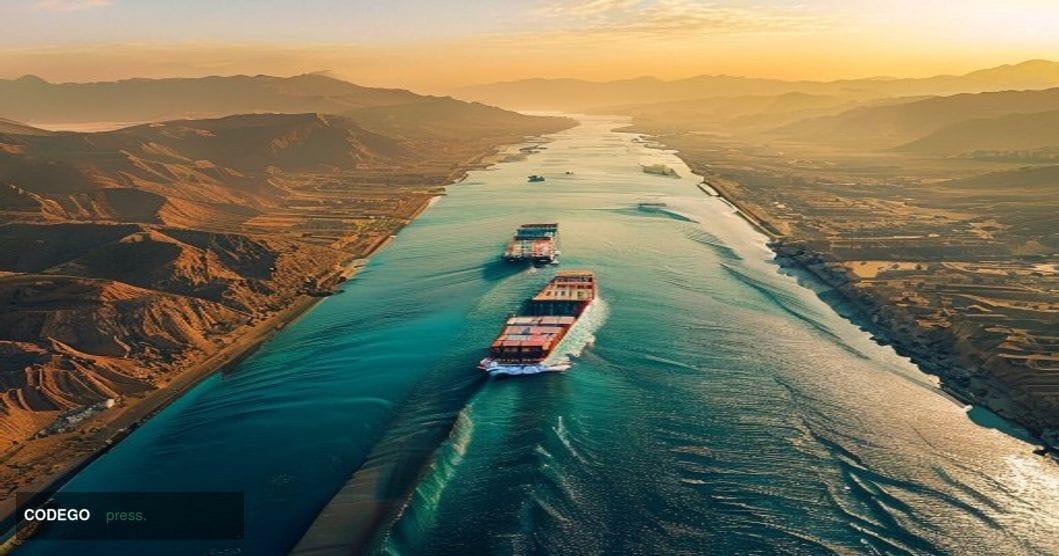
The potential closure of the Strait of Hormuz has emerged as a critical flashpoint in escalating Iran-US tensions, threatening to disrupt global oil supplies through one of the world's most strategically vital shipping corridors. This development underscores the dangerous fragility embedded within the international energy infrastructure, where a single chokepoint controls the flow of resources that power the global economy.
The crisis has intensified global energy insecurity, creating conditions that could trigger widespread oil shortages and dramatic price increases across international markets. The strait serves as a critical artery for global energy trade, with any disruption capable of sending shockwaves through financial markets and energy-dependent economies worldwide. The current standoff between Iran and the United States has transformed this narrow waterway into a potential weapon of economic warfare.
Geopolitical tensions surrounding the strait have reached heightened levels, reflecting broader regional instabilities that extend far beyond bilateral US-Iran relations. The crisis exposes how quickly localized conflicts can escalate into global economic threats, particularly when they involve critical infrastructure that underpins international trade. Financial institutions and energy companies are now forced to confront scenarios where traditional supply chains could face immediate and severe disruption.
The anticipated oil price hikes represent more than mere market volatility; they signal a fundamental shift in how global energy security must be conceptualized in an era of increasing geopolitical fragmentation. Central banks and financial regulators worldwide are monitoring the situation closely, recognizing that energy price shocks can trigger inflationary pressures that destabilize monetary policy frameworks. The potential for oil shortages adds another layer of complexity to global economic planning and risk assessment.
Banking institutions with exposure to energy markets and trade finance are particularly vulnerable to the ripple effects of any prolonged closure. The financing of oil shipments, letters of credit for energy imports, and commodity trading operations all face potential disruption. Major international banks have begun stress-testing their portfolios against scenarios involving extended supply chain interruptions and volatile energy prices.
The crisis also highlights the interconnected nature of modern financial systems, where geopolitical events in one region can rapidly propagate through global markets. Energy-dependent industries face immediate operational challenges, while financial markets must price in the risk of sustained supply disruptions. The situation demonstrates how quickly regional tensions can evolve into systemic risks that threaten global economic stability.
What this means for the broader financial ecosystem extends beyond immediate energy market concerns. The Strait of Hormuz crisis serves as a stark reminder that critical global infrastructure remains vulnerable to geopolitical manipulation, forcing institutions to reconsider their risk models and diversification strategies. As tensions continue to escalate, the financial sector must prepare for scenarios where traditional energy supply assumptions no longer hold, potentially reshaping investment flows and economic planning for years to come.
Written by the editorial team — independent journalism powered by Codego Press.