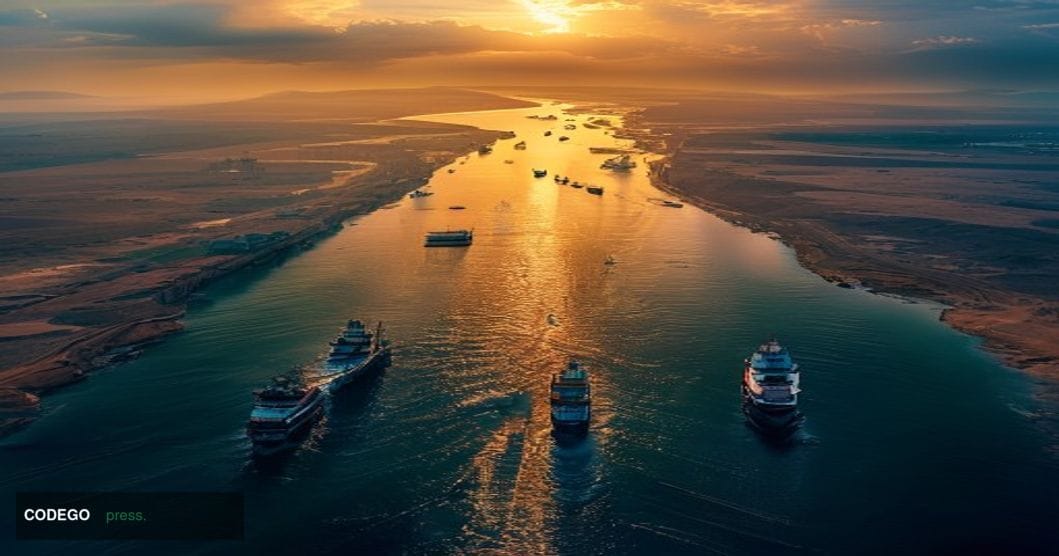
The fragile diplomatic equilibrium between Iran and the United States faces renewed strain as accusations of betrayed trust emerge against the backdrop of escalating tensions over the Strait of Hormuz, threatening to destabilize global energy markets and undermine nascent peace negotiations.
Iran's accusation that the US has betrayed diplomatic efforts represents a significant deterioration in bilateral relations, particularly concerning the strategic waterway that serves as a critical artery for global oil transportation. The Strait of Hormuz, through which approximately 20% of the world's petroleum liquids transit, has long been a flashpoint for geopolitical tensions, but the current diplomatic breakdown suggests a more fundamental breakdown in communication channels between the two nations.
The implications for global oil markets cannot be understated. Any disruption to shipping through the Strait of Hormuz would immediately impact energy supplies to major economies worldwide, potentially triggering price volatility and supply chain disruptions across multiple sectors. Energy markets have historically demonstrated extreme sensitivity to geopolitical tensions in this region, with even the threat of disruption often sufficient to drive commodity prices higher and create ripple effects throughout the global economy.
The timing of these tensions proves particularly concerning given the potential for peace negotiations that could address broader regional stability issues. Iran's allegations of US diplomatic betrayal suggest that preliminary diplomatic channels, which may have offered pathways toward de-escalation, have become compromised. This breakdown in communication mechanisms reduces the likelihood of successful mediation and increases the risk of miscalculation by either party.
From a financial markets perspective, the uncertainty surrounding Strait of Hormuz security creates immediate challenges for energy sector valuations and broader market stability. Oil-dependent economies face heightened vulnerability to supply disruptions, while energy companies must factor increased geopolitical risk into their operational and investment planning. The interconnected nature of global financial markets means that sustained tensions in this region could trigger broader market volatility beyond the energy sector.
The strategic importance of the Strait of Hormuz extends beyond immediate energy security concerns to encompass broader questions of international maritime law and freedom of navigation. Any escalation that threatens commercial shipping through this waterway would likely prompt international intervention efforts, potentially drawing additional stakeholders into an already complex geopolitical situation.
Looking ahead, the intersection of diplomatic breakdown and strategic maritime tensions creates a particularly volatile combination. The absence of effective diplomatic channels reduces options for peaceful resolution, while the economic stakes involved in Strait of Hormuz security ensure that multiple international actors have vested interests in maintaining stability. Market participants must now factor the possibility of sustained diplomatic deadlock into their risk assessments, particularly given the potential for these tensions to persist beyond immediate political cycles.
The current situation underscores the critical importance of maintaining robust diplomatic frameworks even amid broader geopolitical tensions. The breakdown of trust between Iran and the US not only threatens immediate regional stability but also demonstrates how quickly diplomatic progress can unravel when strategic interests diverge. For global markets and international security, the challenge now lies in preventing these diplomatic fractures from translating into concrete actions that could disrupt critical energy infrastructure and trigger broader regional instability.
Written by the editorial team — independent journalism powered by Codego Press.