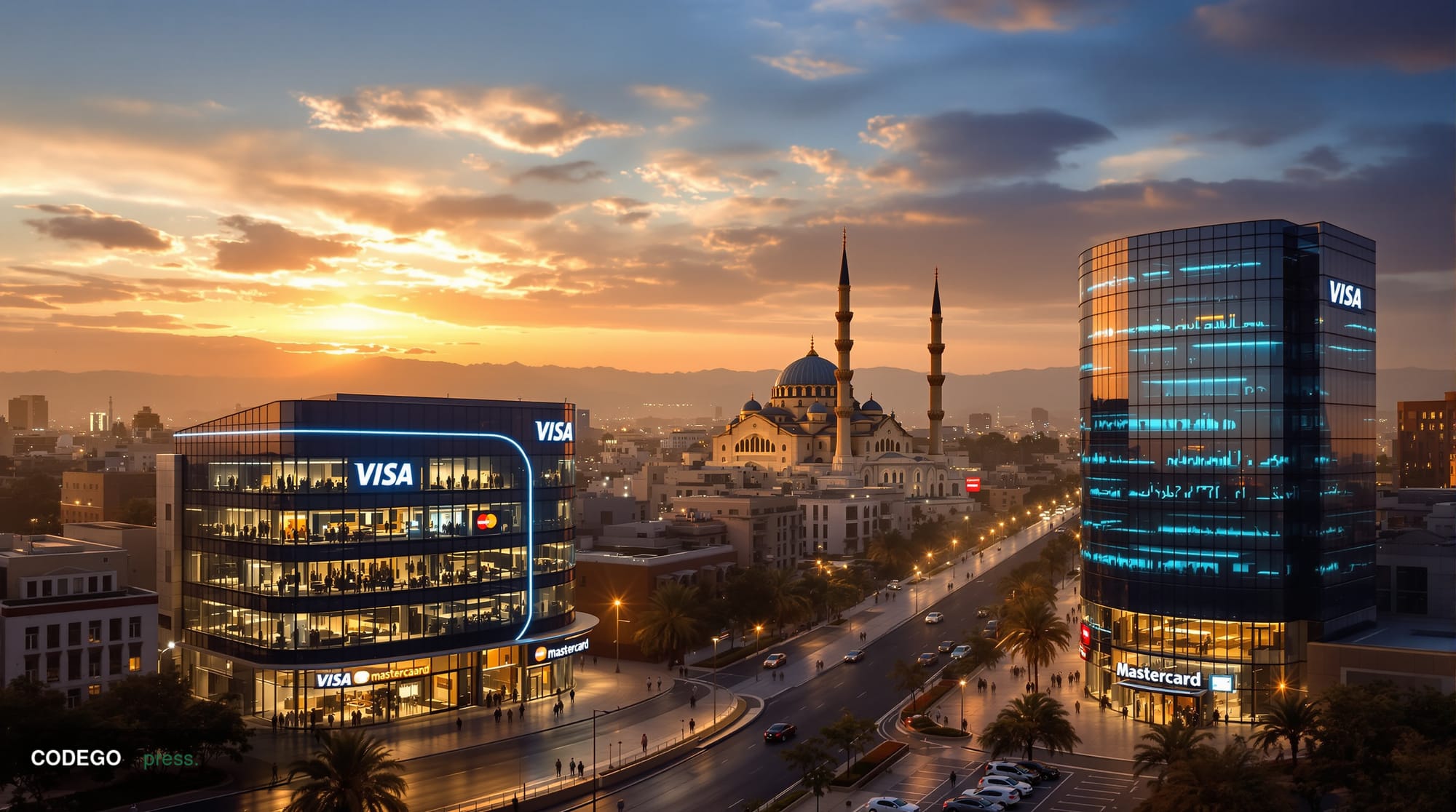
The European Union's decision to restore full trade relations with Syria represents a watershed moment for the country's economic rehabilitation, coinciding with the return of global payment giants Visa and Mastercard to Syrian markets after a 15-year absence. This convergence of diplomatic normalization and financial infrastructure restoration signals Syria's gradual reintegration into the global economic system, potentially catalyzing the nation's recovery from years of isolation.
The resumption of operations by Visa and Mastercard marks the end of one of the longest exclusions from mainstream global payment networks in modern financial history. The 15-year hiatus, spanning from 2011 to 2026, coincided with international sanctions and diplomatic isolation that effectively cut Syria off from conventional international banking channels. The return of these payment processors represents more than mere convenience for Syrian consumers and businesses—it symbolizes the country's readmission to the global financial community and the beginning of economic normalization.
For Syrian businesses, the restoration of international payment processing capabilities addresses a critical infrastructure gap that has hampered economic development and international trade. The absence of major payment networks forced the Syrian economy into a largely cash-based system, severely limiting e-commerce development, international business transactions, and foreign investment flows. With Visa and Mastercard now operational, Syrian merchants can once again accept international payment cards, potentially unlocking tourism revenue and facilitating cross-border trade that was previously constrained by payment processing limitations.
The timing of these developments reflects broader geopolitical shifts and the EU's strategic approach to Middle Eastern engagement. The restoration of full trade relations suggests European policymakers view Syria as sufficiently stable to warrant renewed economic cooperation, potentially opening channels for reconstruction investment and regional trade integration. This diplomatic thaw could serve as a catalyst for other international partners to reconsider their economic relationships with Syria, creating momentum for broader reintegration into global markets.
However, the restoration of conventional financial infrastructure raises important questions about cryptocurrency regulation and digital asset governance in Syria. The country's prolonged isolation from traditional banking systems may have fostered alternative financial arrangements, including cryptocurrency adoption among businesses and individuals seeking to circumvent sanctions and payment restrictions. The regulatory framework governing digital assets remains unclear as Syria transitions back to conventional financial systems, creating potential tension between emerging crypto adoption and traditional payment infrastructure.
The need for regulatory clarity on cryptocurrency becomes particularly crucial as Syria attempts to balance reintegration with global financial standards while potentially preserving innovations developed during its period of isolation. Financial stability concerns arise when traditional and alternative payment systems operate without clear regulatory boundaries, potentially creating arbitrage opportunities, compliance gaps, and systemic risks that could undermine the broader economic recovery.
The success of Syria's financial reintegration will largely depend on how effectively the country manages this transition period, establishing clear regulatory frameworks that provide certainty for businesses while maintaining compliance with international standards. The restoration of Visa and Mastercard services, combined with renewed EU trade relations, creates an opportunity for Syria to rebuild its financial infrastructure on modern foundations, but only if regulatory clarity accompanies this technological and diplomatic progress. The coming months will be critical in determining whether Syria can leverage this moment of reintegration to establish a stable, compliant, and modern financial ecosystem that serves both domestic recovery and international engagement objectives.
Written by the editorial team — independent journalism powered by Codego Press.