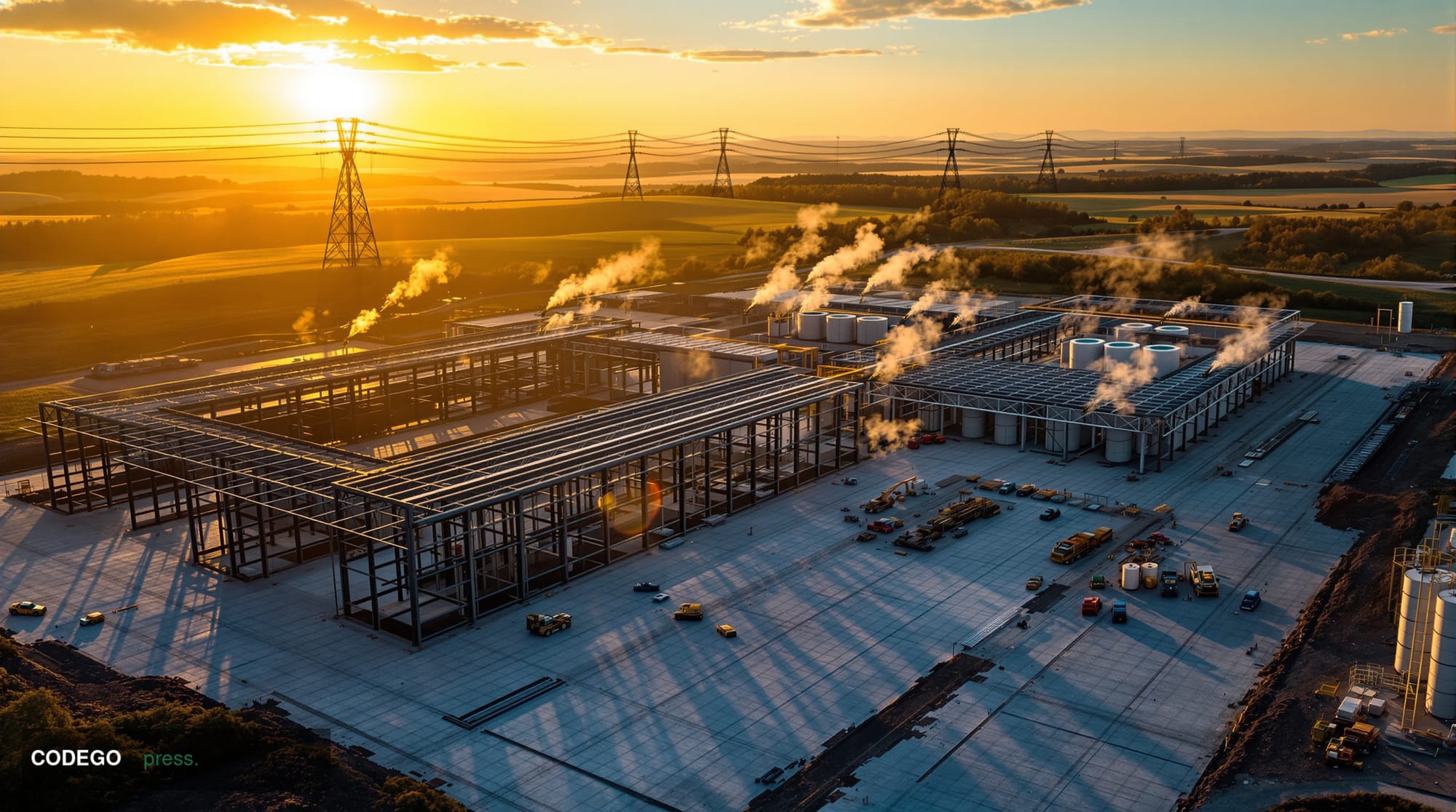
The convergence of cryptocurrency mining and artificial intelligence infrastructure reached a new milestone as TeraWulf announced its acquisition of a Kentucky site designated for a massive 1-gigawatt AI data center. The Bitcoin mining company's shares surged on Tuesday following the announcement of this ambitious expansion into high-performance computing and artificial intelligence services, marking a strategic pivot that could reshape the company's future revenue streams.
The Kentucky facility represents more than just geographic expansion for TeraWulf—it signals a fundamental transformation in the business model that has sustained cryptocurrency miners through volatile market cycles. With a planned capacity of 1 gigawatt, the site positions TeraWulf to capture growing demand for AI computing infrastructure while maintaining its core Bitcoin mining operations. The multi-phase buildout timeline extending through 2030 suggests a methodical approach to scaling operations in response to market demand.
This strategic shift reflects broader industry recognition that cryptocurrency mining infrastructure can be readily adapted for artificial intelligence workloads. The power distribution systems, cooling mechanisms, and data connectivity requirements that support Bitcoin mining operations translate effectively to AI model training and inference tasks. TeraWulf's decision to pursue this dual-purpose approach demonstrates sophisticated capital allocation in an era where AI infrastructure demand consistently outpaces supply.
Market Response and Strategic Implications
The immediate market response, evidenced by Tuesday's share price surge, indicates investor enthusiasm for TeraWulf's diversification strategy. This positive reception likely stems from recognition that AI infrastructure offers more predictable revenue streams compared to cryptocurrency mining, which remains subject to Bitcoin price volatility and regulatory uncertainty. The Kentucky location provides strategic advantages including robust electrical grid connectivity and favorable regulatory environment for large-scale data operations.
The 2030 timeline for full buildout suggests TeraWulf is positioning for sustained growth in artificial intelligence computing demand rather than pursuing short-term market opportunities. This extended development horizon aligns with industry projections showing continued expansion in enterprise AI adoption and the corresponding need for specialized computing infrastructure. The phased approach also allows for capital deployment optimization as technology standards and customer requirements evolve.
Industry Transformation Dynamics
TeraWulf's Kentucky acquisition exemplifies the ongoing transformation within the cryptocurrency mining sector, where companies are leveraging existing technical expertise and infrastructure investments to capture opportunities in adjacent markets. The high-performance computing capabilities required for Bitcoin mining translate directly to AI model training, creating natural synergies that reduce barriers to market entry for established mining operations.
The 1-gigawatt capacity designation places this facility among the largest planned AI infrastructure projects in the United States, reflecting both the scale of investment required and the anticipated growth in computational demands. This capacity level positions TeraWulf to serve enterprise customers requiring substantial computing resources for machine learning model development and deployment, potentially including partnerships with major technology companies pursuing advanced AI capabilities.
The timing of this acquisition coincides with increasing institutional focus on AI infrastructure as a critical competitive advantage across multiple industries. Companies ranging from financial services to healthcare are investing heavily in AI capabilities, creating sustained demand for the computing resources that facilities like TeraWulf's Kentucky site will provide. This market dynamic supports the business case for the extended development timeline and substantial capital commitment.
TeraWulf's expansion into AI infrastructure through the Kentucky acquisition represents a sophisticated response to evolving market conditions that reward diversified revenue streams over single-purpose cryptocurrency operations. The company's ability to leverage existing technical capabilities while pursuing new market opportunities positions it favorably within an industry increasingly defined by adaptability and strategic foresight. As the 2030 buildout progresses, this facility will serve as a crucial test case for the viability of cryptocurrency-to-AI infrastructure transformation strategies across the broader mining sector.
Written by the editorial team — independent journalism powered by Codego Press.