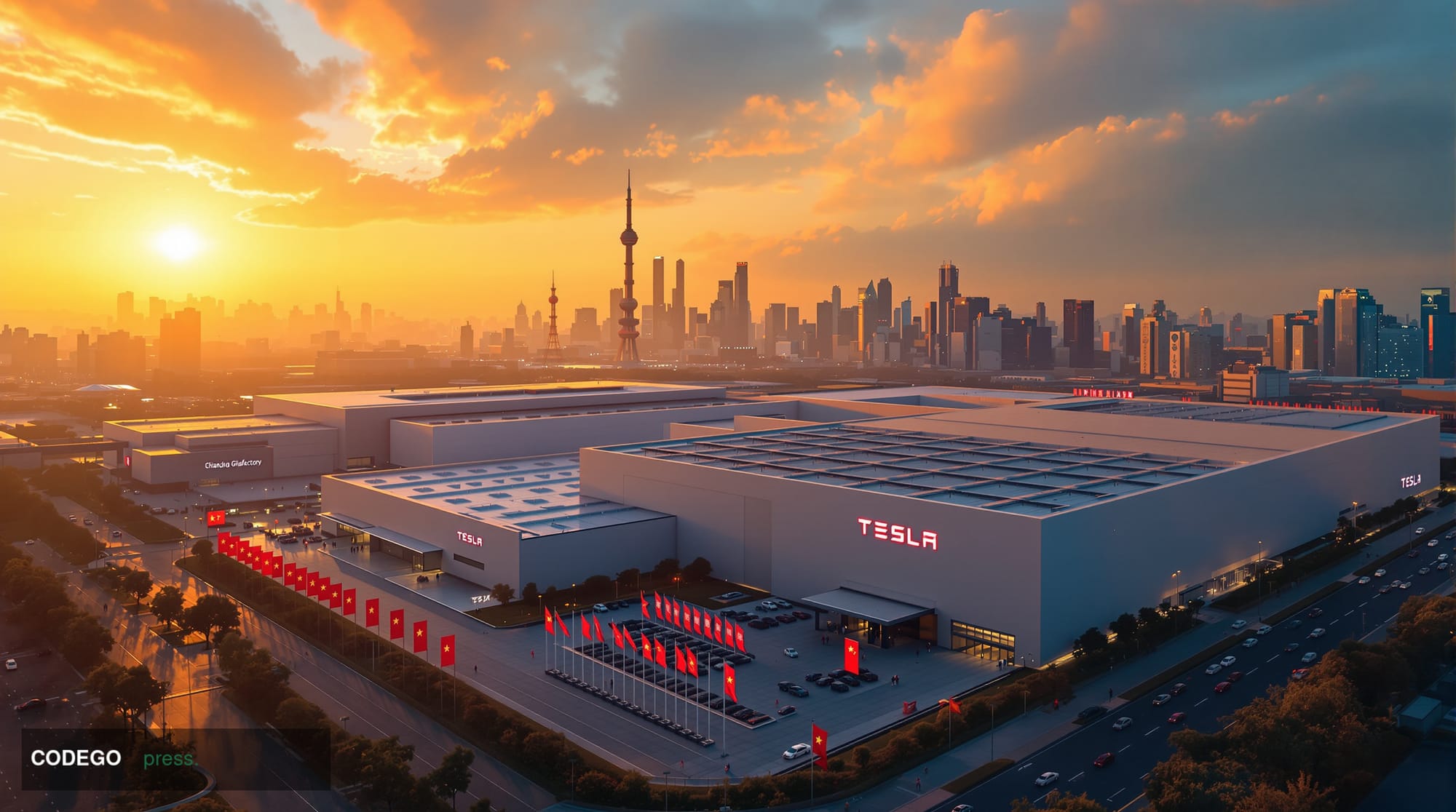
Tesla's deployment of Full Self-Driving technology in China represents more than a product launch—it signals the American electric vehicle manufacturer's recognition that its dominance in the world's largest automotive market faces unprecedented challenges from increasingly sophisticated domestic competitors.
The timing of Tesla's FSD rollout underscores the shifting competitive landscape in China, where local manufacturers have rapidly evolved from followers to formidable rivals. This technological offensive comes as Tesla confronts mounting pressure to justify its premium positioning against Chinese brands that offer compelling alternatives at more accessible price points, often with features tailored specifically for local preferences and infrastructure.
China's electric vehicle ecosystem has matured dramatically over the past several years, with domestic manufacturers leveraging government support, local supply chains, and deep understanding of consumer behavior to challenge foreign entrants. The launch of Tesla's advanced driver assistance system represents a strategic counter-move, deploying one of the company's most sophisticated technologies to maintain technological superiority in a market where that advantage has narrowed considerably.
The competitive dynamics extend beyond traditional automotive metrics to encompass autonomous driving capabilities, software integration, and ecosystem connectivity—areas where Chinese manufacturers have demonstrated remarkable innovation velocity. Tesla's FSD introduction acknowledges that maintaining market share requires continuous technological advancement rather than relying on early-mover advantages that have diminished over time.
For Tesla, the Chinese market presents both opportunity and existential challenge. Success in China has been crucial to the company's global growth trajectory, with the Shanghai Gigafactory serving as a critical production hub and the Chinese consumer base representing a substantial revenue contributor. However, this success increasingly depends on Tesla's ability to differentiate its offerings in a market where local competitors understand regulatory environments, consumer preferences, and infrastructure requirements with greater precision.
The Full Self-Driving launch also reflects broader trends in automotive technology development, where software capabilities increasingly determine competitive positioning. Chinese manufacturers have invested heavily in artificial intelligence, machine learning, and sensor technologies, often partnering with domestic technology giants to accelerate development cycles and reduce dependency on foreign suppliers.
Market observers note that Tesla's response through advanced technology deployment represents a classic strategy for maintaining competitive advantage—leveraging superior innovation to offset other competitive pressures. Yet this approach faces inherent limitations in markets where local competitors possess structural advantages in manufacturing costs, regulatory relationships, and consumer insights.
The implications extend beyond Tesla's immediate market position to encompass broader questions about foreign technology companies' long-term viability in Chinese markets. As domestic capabilities advance and regulatory frameworks evolve, the window for maintaining technological superiority continues to narrow, requiring increasingly sophisticated strategies to sustain competitive advantage.
Tesla's FSD deployment in China ultimately represents a critical test of whether technological excellence alone can sustain market leadership against competitors with home-field advantages. The outcome will influence not only Tesla's future in China but also broader strategies for technology companies navigating increasingly competitive global markets where local players have closed historical capability gaps.
Written by the editorial team — independent journalism powered by Codego Press.