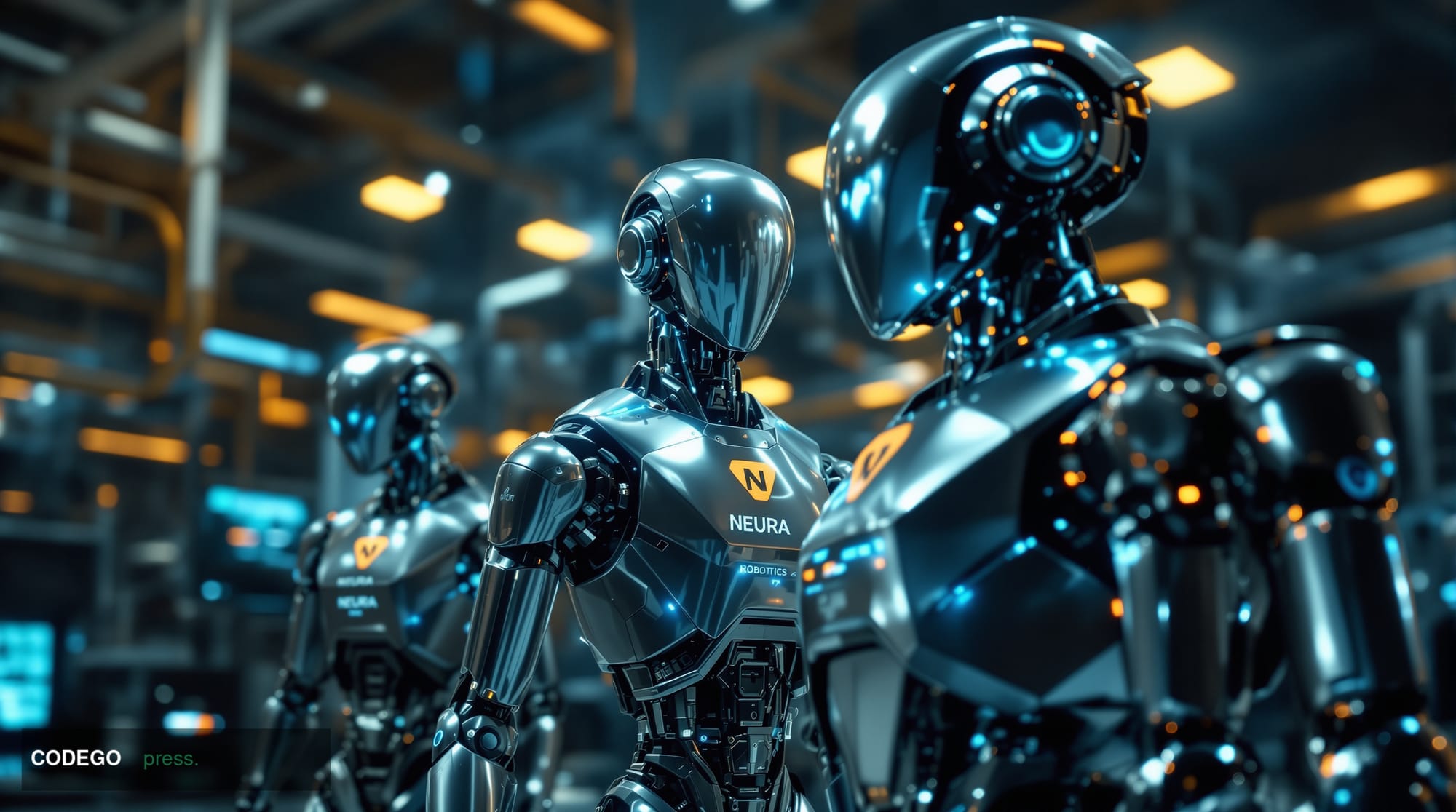
The intersection of cryptocurrency and artificial intelligence reached a new milestone as Tether spearheaded a massive $1.4 billion Series C funding round for NEURA Robotics, marking one of the largest venture investments in the robotics sector. The deal positions Tether far beyond its traditional role as a stablecoin issuer, establishing the company as a major force in emerging technology infrastructure.
NEURA Robotics, which develops cognitive robotics platforms integrated with edge artificial intelligence capabilities, will use the substantial funding to accelerate the development of what industry observers are calling a "machine economy." The integration of cryptocurrency wallets directly into robotic systems represents a fundamental shift toward autonomous economic agents capable of conducting transactions without human intervention.
The strategic implications extend well beyond traditional venture capital patterns. Tether's leadership in this funding round demonstrates how cryptocurrency infrastructure companies are positioning themselves at the convergence of multiple technological revolutions. The combination of edge AI processing power with native cryptocurrency transaction capabilities could enable robots to participate directly in digital marketplaces, purchasing services, components, or computational resources autonomously.
For NEURA Robotics, the partnership with Tether provides more than capital—it offers direct access to one of the world's most widely-used stablecoin ecosystems. This integration could enable seamless machine-to-machine payments using USDT, eliminating traditional banking intermediaries that currently complicate automated commercial transactions. The cognitive robotics platform gains native financial capabilities, while Tether expands its utility beyond human users into autonomous systems.
The $1.4 billion valuation reflects growing institutional confidence in robotics applications that extend far beyond manufacturing floors. Edge AI capabilities allow these systems to process information and make decisions locally, reducing latency and enabling real-time responses crucial for autonomous economic activity. When combined with cryptocurrency transaction capabilities, these robots could theoretically negotiate prices, execute purchases, and manage their own operational budgets.
Industry analysts note this investment pattern signals a broader trend where cryptocurrency companies are diversifying into physical infrastructure and artificial intelligence. Rather than remaining purely digital, leading crypto firms are building bridges into tangible technologies that could reshape how autonomous systems interact with both digital and physical economies. The machine economy concept envisions robots as independent economic actors, earning revenue through services and spending on maintenance, upgrades, or operational necessities.
The timing proves significant as regulatory frameworks for both cryptocurrency and artificial intelligence continue evolving globally. By establishing early positions in robotics infrastructure, Tether positions itself to influence how autonomous systems integrate with financial networks. This could prove crucial as governments develop oversight mechanisms for AI-powered economic agents that operate independently of direct human control.
What emerges from this substantial investment is a vision of economic infrastructure where the boundaries between digital assets and physical automation blur entirely. The success of this integration will likely influence whether other major cryptocurrency firms follow similar strategies, potentially accelerating the development of truly autonomous economic ecosystems where machines operate as independent financial actors within established cryptocurrency networks.
Written by the editorial team — independent journalism powered by Codego Press.