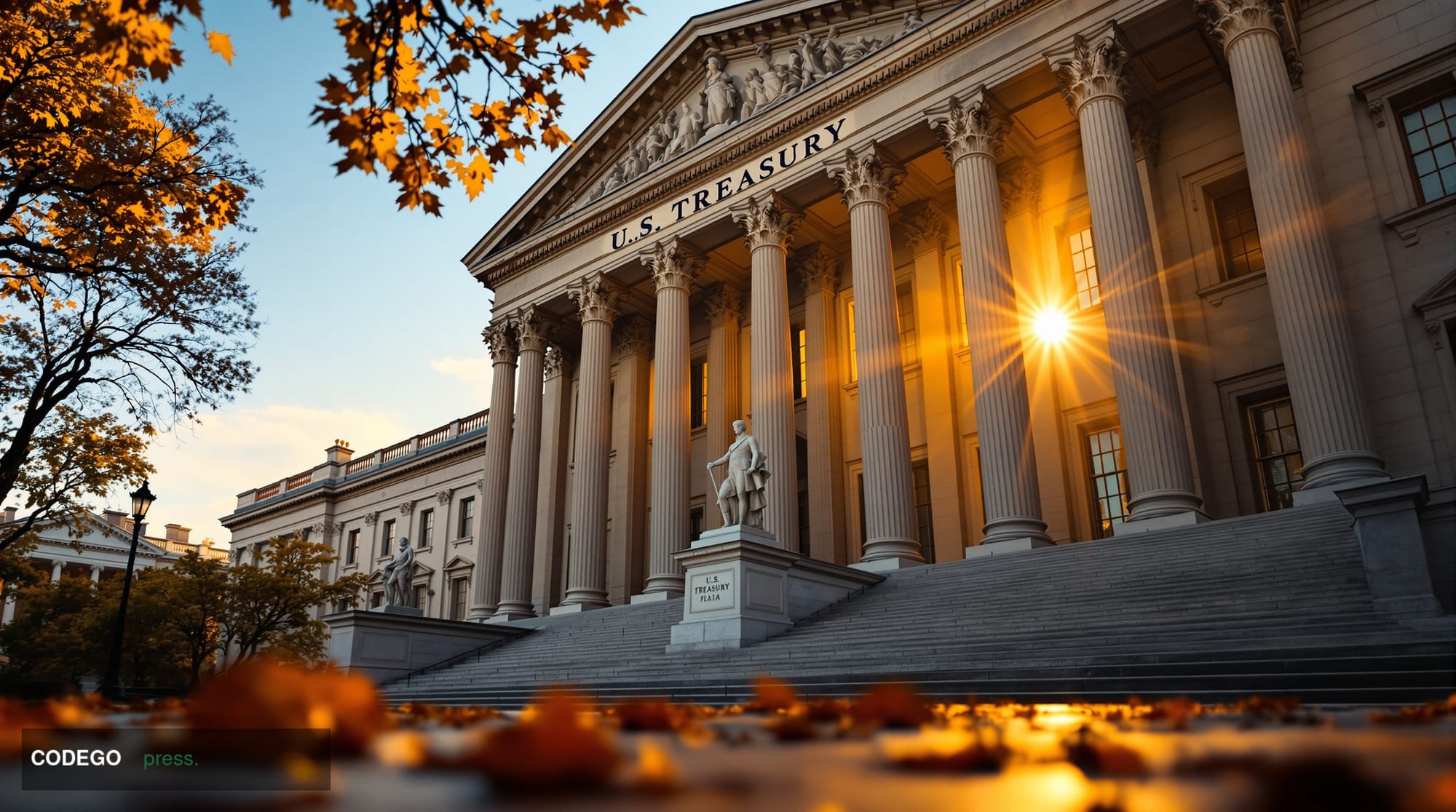
The United States Treasury Department is advancing implementation of the strategic Bitcoin reserve mandated by President Donald Trump's 2025 executive order, according to Treasury Secretary Scott Bessent's latest public statements. The development signals meaningful progress toward establishing what could become one of the most significant cryptocurrency policy initiatives in American financial history.
Bessent indicated that the Treasury Department was "proceeding with all deliberate speed" on the executive order establishing both a strategic Bitcoin reserve and broader digital asset stockpile. This measured but affirmative language suggests the administration is taking a methodical approach to implementing cryptocurrency infrastructure at the federal level, rather than rushing into uncharted regulatory territory.
The Treasury Secretary's comments come amid broader congressional consideration of cryptocurrency legislation, including the CLARITY Act, which aims to provide definitive regulatory frameworks for digital assets. The convergence of executive action through Trump's Bitcoin reserve order and potential legislative clarity through Congress represents a dual-track approach to cryptocurrency policy that could reshape America's position in global digital asset markets.
Establishing a strategic Bitcoin reserve would mark an unprecedented shift in federal monetary policy, positioning the United States government as a direct participant in cryptocurrency markets rather than merely their regulator. Such a reserve could serve multiple strategic purposes: hedging against currency devaluation, diversifying national assets beyond traditional gold and foreign currency holdings, and potentially establishing Bitcoin as a strategic commodity comparable to oil or rare earth minerals.
The timing of Bessent's statements reflects the administration's broader push to position America as a leader in cryptocurrency adoption and regulation. Unlike previous federal approaches that emphasized caution and restriction, the current trajectory suggests active engagement with digital assets as legitimate components of national financial strategy. This philosophical shift could influence everything from tax policy to international trade settlement mechanisms.
Implementation challenges remain substantial, however. Creating a federal Bitcoin reserve requires addressing custody security, acquisition strategies, accounting standards, and integration with existing Treasury operations. The department must also coordinate with other federal agencies, including the Securities and Exchange Commission and Commodity Futures Trading Commission, to ensure regulatory consistency across the cryptocurrency ecosystem.
The potential scale and impact of a federal Bitcoin reserve cannot be understated. Government acquisition of significant Bitcoin quantities could influence global cryptocurrency markets, potentially driving institutional adoption while establishing price stability through strategic buying and selling. International implications are equally significant, as other nations may feel compelled to establish their own digital asset reserves to maintain monetary sovereignty and competitiveness.
Bessent's measured approach suggests the Treasury recognizes these complexities while remaining committed to the executive order's objectives. The phrase "all deliberate speed" historically carries weight in federal policy implementation, indicating serious intent balanced with careful execution. This approach may prove crucial for building congressional support and public confidence in what remains a novel and politically sensitive initiative.
The convergence of the Bitcoin reserve initiative with the CLARITY Act creates a comprehensive framework for American cryptocurrency leadership. While the executive order provides immediate action authority, legislative backing through the CLARITY Act could ensure long-term stability and bipartisan support for digital asset policies beyond the current administration.
Written by the editorial team — independent journalism powered by Codego Press.