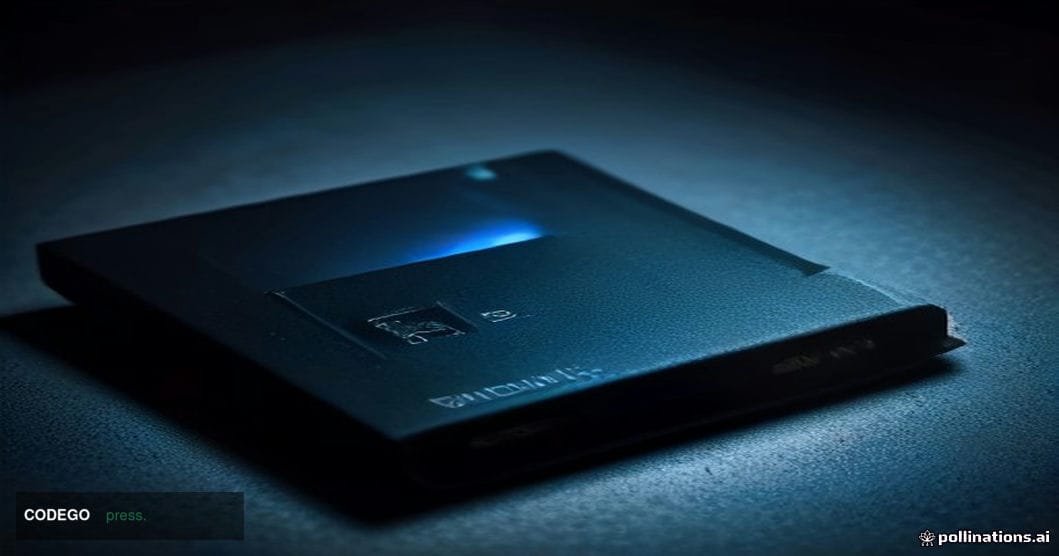
Hardware wallet manufacturer Trezor issued an urgent public warning this week, advising customers who purchased devices through the reseller CryptoBilis since March 2026 to transfer their cryptocurrency holdings to alternative wallets immediately, citing credible reports of a suspected hardware implant embedded in affected units. The alert raises serious questions about the integrity of third-party distribution channels in the digital asset security industry — a sector whose entire value proposition rests on the physical inviolability of its products.
The warning, directed specifically at buyers who acquired Trezor devices from CryptoBilis during the window beginning in March, stops short of confirming the presence of a hardware implant but treats the threat as sufficiently credible to warrant an emergency advisory. In the hardware wallet ecosystem, even a suspected compromise of this nature carries catastrophic implications: unlike software vulnerabilities that can be patched remotely, a physical implant embedded at the hardware level can potentially intercept seed phrases, private keys, or signing operations entirely outside the user's awareness, rendering standard security hygiene ineffective.
Hardware implants represent one of the most sophisticated and difficult-to-detect attack vectors in the cybersecurity landscape. Sometimes referred to as supply chain interdiction, this class of attack involves modifying a device at some point between its manufacture and its delivery to the end user — whether in a warehouse, during transit, or through a compromised distribution partner. The result is a device that appears externally legitimate and may even pass routine user inspection, yet contains rogue components capable of exfiltrating sensitive cryptographic data to a remote actor. For cryptocurrency holders whose assets have no insurance backstop and no centralized authority to reverse fraudulent transactions, the implications are immediate and potentially irreversible.
The targeting of a hardware wallet reseller rather than Trezor's own direct supply chain is a detail of considerable significance. It suggests that Trezor's own manufacturing and primary distribution operations may remain unaffected, and that the suspected interdiction occurred downstream — at the reseller level. This distinction matters for the broader market's confidence in Trezor as a manufacturer, but it also underscores a structural vulnerability that the hardware wallet industry has long acknowledged without fully resolving: the difficulty of guaranteeing device integrity across a sprawling network of third-party retailers, regional resellers, and secondary market sellers.
For the cryptocurrency community, this episode arrives at a moment when the custody of digital assets has never been more consequential. As institutional adoption deepens and individual holders accumulate increasingly significant portfolios, the hardware wallet has become the de facto gold standard for self-custody — the physical manifestation of the principle that individuals can and should control their own private keys without relying on exchanges or custodians. An attack that weaponizes that trust strikes at the philosophical core of the self-custody movement. If the device itself cannot be trusted, the entire model of hardware-based cold storage requires reconsideration.
Trezor's response — issuing a public advisory rather than allowing the situation to develop quietly — reflects a transparency-first approach that security researchers and consumer advocates have long called for from hardware manufacturers. The company's decision to name the specific reseller and the specific purchase window provides affected customers with actionable intelligence, rather than the vague advisories that have sometimes characterized past industry incidents. Customers who purchased from CryptoBilis prior to the March window are not explicitly included in the warning, though prudent security practice would suggest that any buyer who cannot verify the full chain of custody for their device should treat it with appropriate caution.
The practical advice flowing from Trezor's warning is unambiguous: customers in the affected category should generate a fresh seed phrase on a verified, trusted device and transfer all holdings to newly derived addresses before taking any further action. The existing device should be treated as potentially compromised and not used for any further signing or key-generation operations. Security professionals also advise against attempting to open or inspect the suspected device without specialist equipment, as some sophisticated implants are designed to detect tampering and trigger data-erasure or notification routines.
What This Means for the Industry
The CryptoBilis incident is likely to accelerate conversations already underway about mandatory supply chain auditing standards for cryptocurrency hardware manufacturers and their authorized resellers. Regulators across multiple jurisdictions have been expanding their scrutiny of digital asset infrastructure, and a high-profile supply chain compromise — even a suspected one — provides fresh impetus for formal certification requirements. For consumers, the immediate lesson is one the security community has repeated consistently: hardware wallets should be purchased exclusively from the manufacturer's official website or a rigorously verified authorized retailer, and any device arriving with broken seals, unusual packaging, or unexpected firmware prompts should be treated as compromised before a single key is generated on it. In a market where a single seed phrase can represent a life-changing sum of money, the cost of that vigilance is trivial against the cost of the alternative.
Written by the editorial team — independent journalism powered by Codego Press.