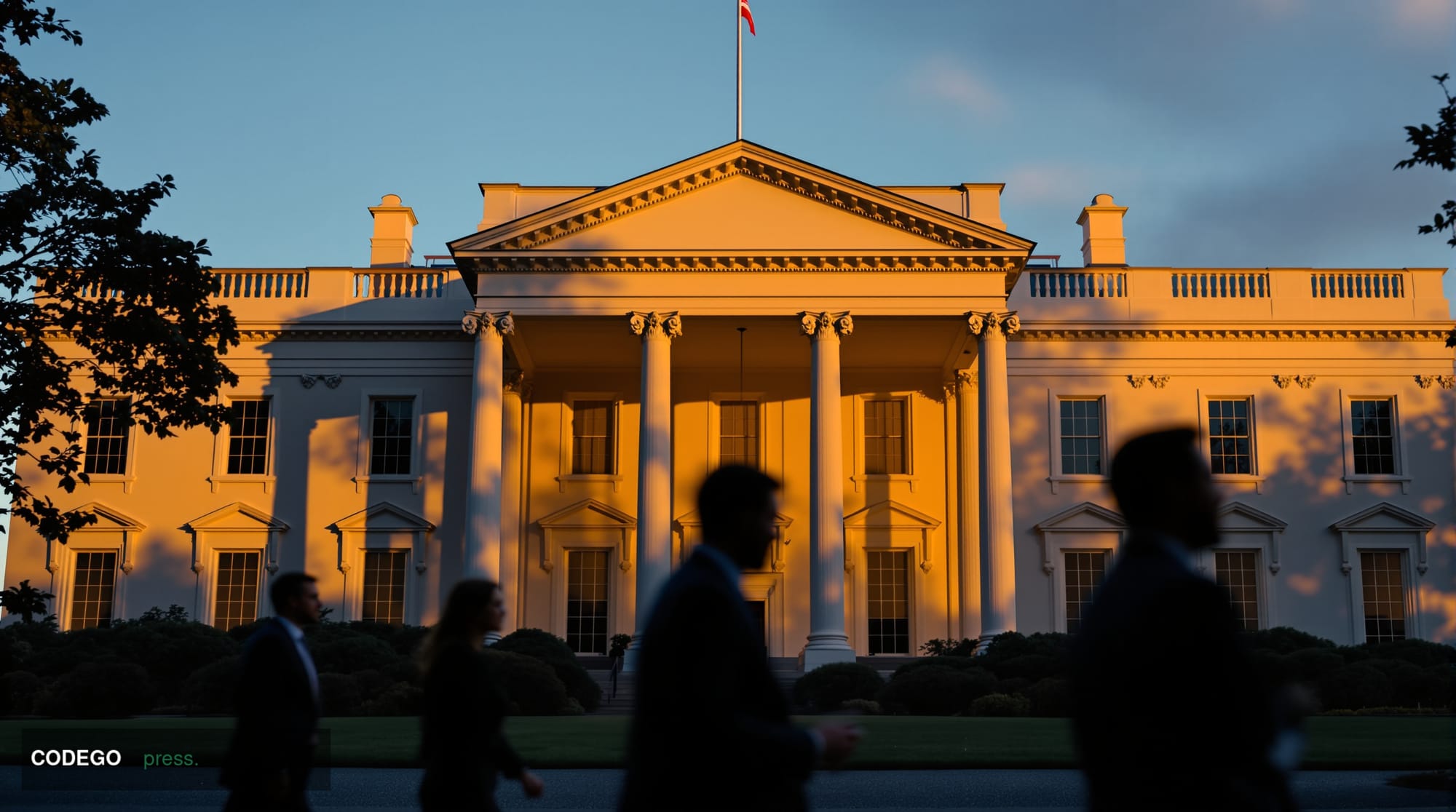
The postponement of a crucial artificial intelligence executive order by the Trump administration reveals the deepening fractures within the White House over technology policy, casting doubt on America's ability to maintain coherent leadership in the rapidly evolving AI landscape.
The delay stems from significant internal conflicts among senior administration officials, according to sources familiar with the matter. This postponement represents more than just a scheduling adjustment—it underscores fundamental disagreements about how the United States should approach AI governance at a critical juncture in technological development.
The infighting within the administration highlights competing visions for America's AI strategy. Some officials reportedly favor a more aggressive regulatory framework that would establish clear guardrails for AI development and deployment, while others advocate for a lighter-touch approach that prioritizes innovation and market-driven solutions. These philosophical differences have created an impasse that threatens to stall meaningful progress on AI policy.
The implications of this delay extend far beyond the White House walls. The postponement creates potential regulatory challenges that could leave American companies operating in an uncertain policy environment. Without clear federal guidance, businesses developing AI technologies face continued ambiguity about compliance requirements, safety standards, and competitive parameters.
Perhaps most concerning is how this internal paralysis affects U.S. competitiveness in the global AI race. While American policymakers engage in bureaucratic battles, international competitors continue advancing their own AI frameworks and capabilities. China's systematic approach to AI development, coupled with the European Union's comprehensive AI Act, demonstrates how other major powers are moving decisively while the United States stumbles over internal disagreements.
The postponement also reflects broader tensions within the administration about the federal government's role in emerging technologies. These debates echo similar conflicts that have emerged around cryptocurrency regulation, social media oversight, and data privacy—all areas where the administration has struggled to present a unified front.
The financial sector, which has increasingly embraced AI for everything from fraud detection to algorithmic trading, faces particular uncertainty from this regulatory vacuum. Major banks and fintech companies have invested billions in AI capabilities, yet the absence of clear federal guidance leaves them vulnerable to sudden policy shifts or enforcement actions. This uncertainty could ultimately hamper innovation in financial services, an area where American companies have traditionally led global development.
The postponement signals that the administration's approach to AI governance remains fundamentally unsettled, despite growing urgency from industry leaders, academic researchers, and national security experts who have called for comprehensive federal action. The delay suggests that internal political considerations may be taking precedence over the strategic imperative to establish America's position in the global AI ecosystem.
What this means for the broader technology landscape is profound uncertainty at a moment when clarity and leadership are essential. The postponement of this executive order represents more than administrative dysfunction—it reflects a fundamental failure to prioritize America's technological competitiveness over internal political calculations. Until the administration resolves these internal conflicts and presents a coherent AI strategy, American leadership in artificial intelligence remains at risk, potentially ceding crucial ground to international competitors who have demonstrated greater policy coherence and strategic focus.
Written by the editorial team — independent journalism powered by Codego Press.