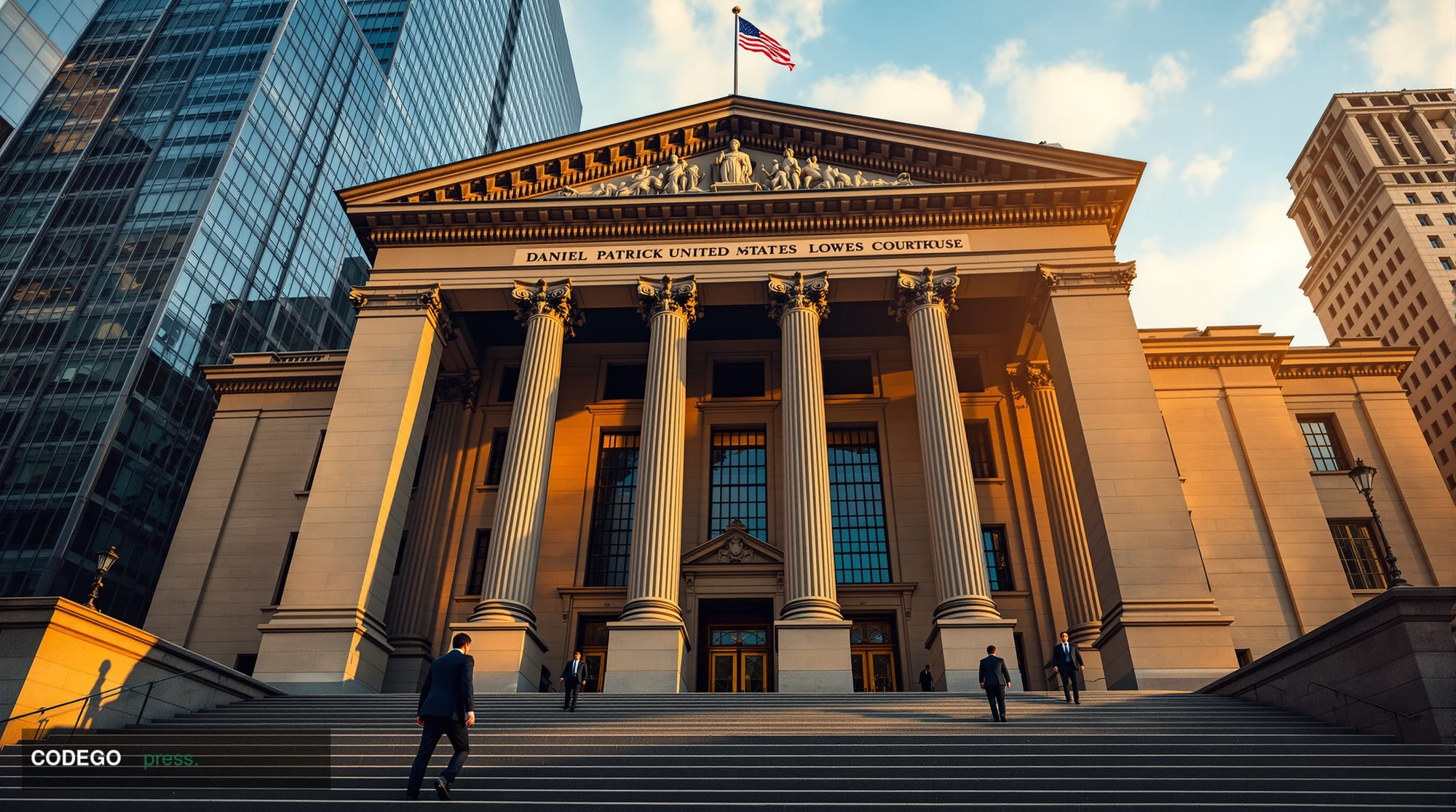
The appointment of James M. McDonald as US Attorney for the Southern District of New York represents a pivotal moment for cryptocurrency regulation and enforcement in America's financial capital. This strategic placement by the Trump administration could fundamentally reshape how digital assets are prosecuted and regulated in the jurisdiction that has become ground zero for high-profile crypto cases.
McDonald's appointment arrives at a critical juncture when the crypto industry faces unprecedented regulatory scrutiny. The Southern District of New York, often called the "Sovereign District" for its independence and aggressive prosecution style, has emerged as the epicenter of crypto enforcement actions over the past several years. From major exchange investigations to DeFi protocol prosecutions, the SDNY has consistently taken the lead in establishing legal precedents that reverberate throughout the digital asset ecosystem.
The timing of this appointment signals a potential intensification of crypto regulation under the new administration. McDonald's background and prosecutorial philosophy will likely influence how the SDNY approaches emerging challenges in the digital asset space, including the rise of decentralized finance protocols, non-fungible token marketplaces, and the ongoing regulatory classification debates surrounding various cryptocurrencies. The office's enforcement priorities could shift significantly based on McDonald's interpretation of existing securities laws and his approach to novel financial technologies.
Historical precedent suggests that US Attorney appointments in the SDNY carry outsized influence over national financial enforcement trends. The office's proximity to Wall Street and its jurisdiction over numerous major financial institutions means that prosecutorial decisions made in Lower Manhattan often set the tone for federal enforcement nationwide. For the cryptocurrency industry, this creates both opportunity and risk, as McDonald's approach could either foster innovation through clear regulatory guidelines or create additional compliance burdens through aggressive enforcement actions.
The appointment comes as the crypto industry grapples with evolving regulatory frameworks across multiple jurisdictions. While some observers hope for clearer guidance from federal prosecutors, others worry that increased enforcement could stifle innovation in the rapidly evolving digital asset sector. McDonald's previous experience with financial crimes and white-collar prosecution will likely inform his office's approach to cryptocurrency cases, particularly those involving fraud, market manipulation, or violations of existing securities laws.
Industry stakeholders are closely monitoring signals from the new administration regarding its overall stance on digital assets. The SDNY appointment represents one of several key personnel decisions that could collectively shape the regulatory landscape for cryptocurrencies, blockchain technology, and decentralized finance protocols. The office's future enforcement actions under McDonald's leadership may provide crucial clarity on how traditional financial laws apply to emerging digital asset business models.
The broader implications extend beyond individual prosecutions to encompass the fundamental question of how the United States positions itself in the global competition for cryptocurrency and blockchain leadership. McDonald's enforcement priorities could influence whether major crypto businesses choose to establish operations in New York or seek more favorable regulatory environments elsewhere. This dynamic adds significant stakes to prosecutorial decisions that might seem purely legal but carry substantial economic and technological implications for American competitiveness in the digital asset sector.
Written by the editorial team — independent journalism powered by Codego Press.