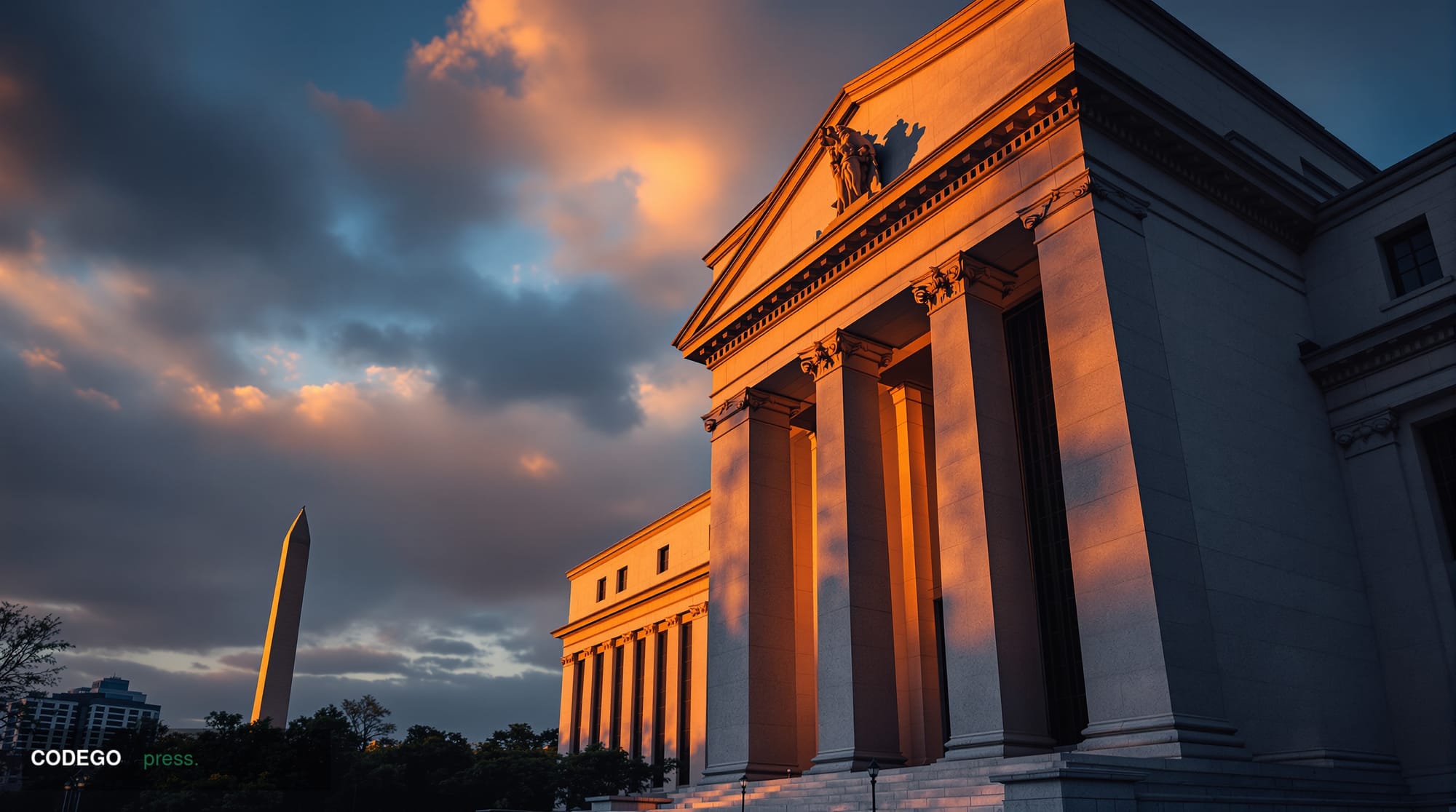
The prospect of a significant nuclear agreement between the United States and Iran represents far more than a diplomatic breakthrough—it could fundamentally reshape the global financial architecture that has defined Middle Eastern banking and sanctions policy for over a decade. According to recent reporting by Axios, President Trump appears close to finalizing a nuclear deal with Iran that would dramatically alter geopolitical dynamics and influence regional stability across international diplomatic relations.
For the financial services industry, the implications extend well beyond traditional diplomatic channels. Iran's reintegration into the global banking system would mark one of the most significant sanctions relief events in modern financial history, potentially unlocking access to an economy worth over $400 billion in gross domestic product. Major international banks, from JPMorgan Chase to European institutions that have maintained minimal Iranian exposure since 2018, would face immediate strategic decisions about market entry and compliance frameworks.
The banking sector's response to potential sanctions relief reflects broader questions about risk management in politically volatile markets. Since the reimposition of comprehensive sanctions under the previous Trump administration, financial institutions have developed sophisticated compliance systems designed specifically to prevent Iranian transaction flows. These systems, representing millions of dollars in compliance infrastructure investment, would require fundamental recalibration should diplomatic relations normalize.
Regional banking dynamics could shift dramatically under a new accord. Iranian financial institutions, largely isolated from international correspondent banking relationships since 2018, maintain substantial domestic infrastructure that could rapidly reconnect to global payment networks. The Society for Worldwide Interbank Financial Telecommunication messaging system, from which Iranian banks were effectively barred, could see renewed Iranian participation, fundamentally altering Middle Eastern cross-border payment flows.
Energy markets represent another critical dimension where nuclear diplomacy intersects with financial services. Iran possesses some of the world's largest proven oil and natural gas reserves, and sanctions relief could introduce significant new supply to global energy markets. This dynamic would directly impact energy trading desks, commodity financing arrangements, and the complex web of energy-focused financial instruments that major banks use to hedge exposure across volatile markets.
The cryptocurrency sector, despite its decentralized nature, could also experience substantial impacts from Iranian sanctions relief. Iranian authorities have shown increasing interest in digital assets as mechanisms for circumventing traditional banking restrictions, and formal sanctions relief could legitimize previously gray-market cryptocurrency activities. Digital asset exchanges and blockchain-based payment platforms would need to reassess their Iranian policies, potentially opening new markets while navigating evolving regulatory frameworks.
However, significant uncertainties remain around implementation timelines and scope. Nuclear agreements typically involve phased sanctions relief tied to verifiable compliance milestones, meaning financial institutions could face months or years of graduated policy changes rather than immediate comprehensive relief. This staged approach would require banks to maintain flexible compliance systems capable of adapting to evolving sanctions parameters while managing regulatory risk across multiple jurisdictions.
What this means for the broader financial ecosystem extends beyond Iranian market access. A successful US-Iran nuclear agreement would demonstrate that comprehensive sanctions regimes can be reversed through diplomatic engagement, potentially influencing how financial institutions approach other sanctioned jurisdictions. The precedent could reshape risk assessments for markets facing similar restrictions, from Russia to North Korea, fundamentally altering how banks evaluate long-term geopolitical exposure in their strategic planning processes.
Written by the editorial team — independent journalism powered by Codego Press.