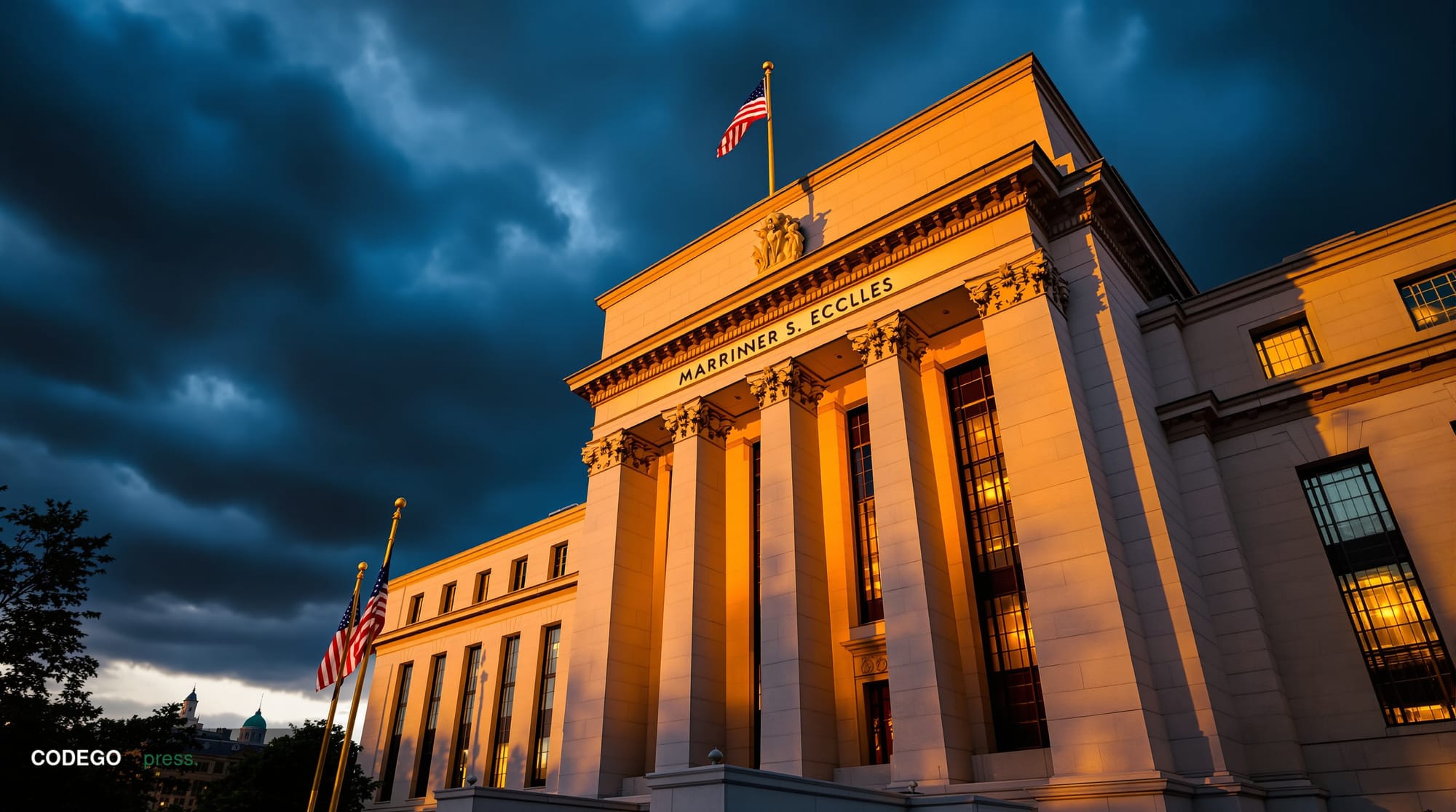
The financial world stands on the precipice of a seismic shift as Kevin Warsh prepares to assume the helm of the Federal Reserve, marking the most crypto-friendly leadership change in the central bank's 110-year history. With Trump's backing, Warsh is set to officially replace Jerome Powell today, bringing a fundamentally different perspective on digital assets to the institution that shapes global monetary policy.
This appointment represents far more than a routine changing of the guard. Warsh's documented support for cryptocurrency integration into the traditional financial system signals a potential paradigm shift in how America's central bank approaches digital assets. Unlike his predecessor Powell, who maintained a cautious stance toward cryptocurrencies throughout his tenure, Warsh brings a philosophy that views blockchain technology and digital currencies as inevitable components of the future financial infrastructure.
The timing of this transition could hardly be more consequential. The Federal Reserve wields unprecedented influence over global markets, with its policy decisions reverberating across every corner of the financial ecosystem. When the world's most powerful central bank shifts its stance on emerging technologies, the implications extend far beyond American borders. International markets, regulatory frameworks, and institutional investment strategies all pivot around Federal Reserve positioning.
Market observers are already positioning for what many anticipate could be a significant cryptocurrency rally extending into the weekend. The mere prospect of crypto-friendly leadership at the Federal Reserve has historically driven substantial price movements across digital asset markets. Institutional investors, who have long awaited clearer regulatory signals from American monetary authorities, may interpret Warsh's appointment as validation for increased cryptocurrency allocation strategies.
Warsh's ascension also arrives at a critical juncture for American monetary policy more broadly. The Federal Reserve faces mounting pressure to address inflation concerns while maintaining economic growth momentum. His approach to integrating cryptocurrency considerations into traditional monetary policy frameworks will likely establish precedents that influence central banking strategies globally. The European Central Bank, Bank for International Settlements, and other major monetary authorities will undoubtedly scrutinize his early policy decisions for guidance on their own digital asset strategies.
The institutional cryptocurrency market has evolved dramatically since the Federal Reserve first began examining digital assets. Major financial institutions including JPMorgan Chase have developed comprehensive cryptocurrency trading and custody services, while payment giants like Visa and Mastercard have integrated digital asset capabilities into their networks. This infrastructure development has created an ecosystem primed for regulatory clarity and institutional embrace.
However, Warsh's pro-cryptocurrency stance does not guarantee immediate policy reversals. The Federal Reserve operates through consensus-building among its board members, and significant policy shifts require careful consideration of systemic risks. His influence will likely manifest gradually through research initiatives, regulatory guidance, and strategic partnerships with other financial regulators. The challenge lies in balancing innovation encouragement with the stability mandates that define central banking responsibilities.
What this appointment ultimately signifies extends beyond cryptocurrency markets into broader questions about America's financial technological leadership. As China advances its digital currency initiatives and European regulators develop comprehensive cryptocurrency frameworks, the United States risks falling behind in digital asset innovation. Warsh's leadership could position America to reclaim technological leadership in the evolving global financial landscape, potentially influencing everything from cross-border payment systems to monetary sovereignty in the digital age.
Written by the editorial team — independent journalism powered by Codego Press.