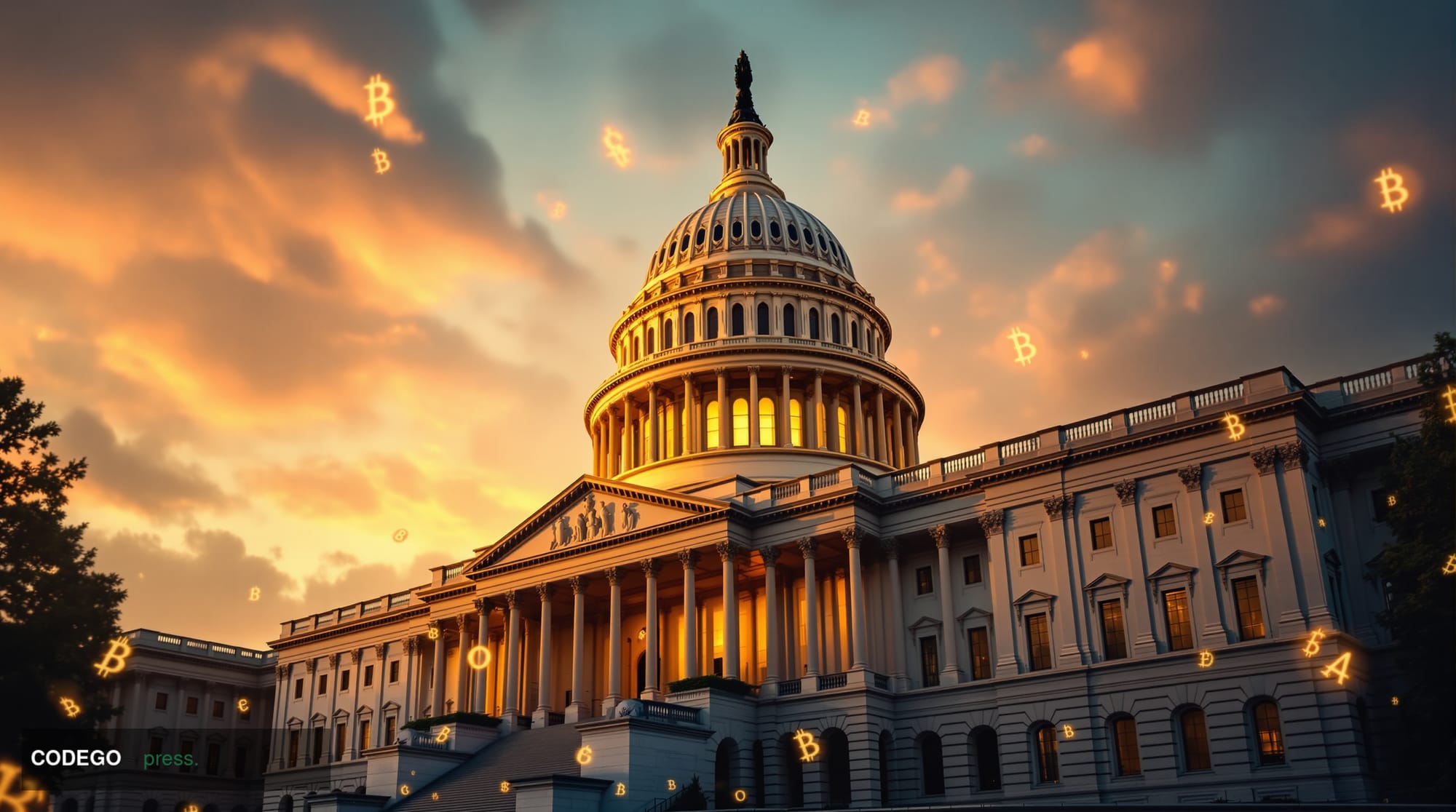
President Trump has positioned himself as a champion of cryptocurrency clarity, claiming the CLARITY Act represents the path to "future proof" digital asset regulation in America. The assertion comes at a particularly sensitive moment, as the president's own cryptocurrency investments and business ties face mounting scrutiny from ethics watchdogs and political opponents.
The digital asset market structure bill currently before Congress has encountered significant headwinds, with lawmakers expressing reservations about ethics provisions that could create conflicts of interest for government officials with crypto holdings. Trump's social media intervention in support of the legislation has only intensified these concerns, given the president's documented financial interests in the digital asset space.
The CLARITY Act, formally known as the Crypto-Asset Legal Implementation and Regulation Integration for Tomorrow's Yield Act, aims to establish comprehensive regulatory frameworks for digital assets across multiple federal agencies. Proponents argue the legislation would eliminate regulatory uncertainty that has plagued the crypto industry for years, providing clear guidelines for token classification, trading protocols, and compliance requirements.
However, the bill's future remains uncertain as congressional leaders grapple with provisions that could potentially benefit current officeholders with crypto investments. Ethics experts have raised red flags about the timing of Trump's advocacy, particularly given his administration's previous resistance to comprehensive crypto regulation. The president's recent public statements suggesting he could personally ensure the bill's success have only amplified concerns about potential conflicts of interest.
The cryptocurrency industry has long sought regulatory clarity, with major exchanges and institutional investors calling for consistent federal oversight. The current patchwork of state and federal regulations has created compliance challenges that have driven some crypto businesses to establish operations in more regulatory-friendly jurisdictions overseas. Industry advocates view the CLARITY Act as essential infrastructure for maintaining America's competitive position in the global digital asset marketplace.
Congressional Democrats have expressed skepticism about the legislation's ethics provisions, with several committee chairs indicating they may demand additional safeguards before advancing the bill. Republicans, meanwhile, have largely rallied behind the measure, arguing that regulatory clarity will strengthen American financial markets and protect consumers from fraudulent schemes that thrive in unregulated environments.
The president's crypto holdings, which include investments in various digital asset projects and blockchain companies, have become a focal point for critics who argue his financial interests compromise his ability to objectively evaluate crypto regulation. Trump's social media posts promoting the CLARITY Act have been characterized by some ethics experts as potentially inappropriate given his personal stake in the industry's regulatory future.
Market observers note that comprehensive crypto regulation has bipartisan support in principle, but disagreement over implementation details and ethics safeguards continues to stall progress. The CLARITY Act represents the most ambitious attempt yet to create unified federal oversight of digital assets, but political dynamics surrounding the president's involvement may complicate its legislative journey.
The broader implications extend beyond partisan politics to fundamental questions about governance in the digital age. As cryptocurrencies become increasingly mainstream financial instruments, the need for clear regulatory frameworks grows more urgent. Whether the CLARITY Act can navigate current political controversies while delivering the regulatory certainty the industry seeks remains an open question that will likely define America's crypto regulatory landscape for years to come.
Written by the editorial team — independent journalism powered by Codego Press.