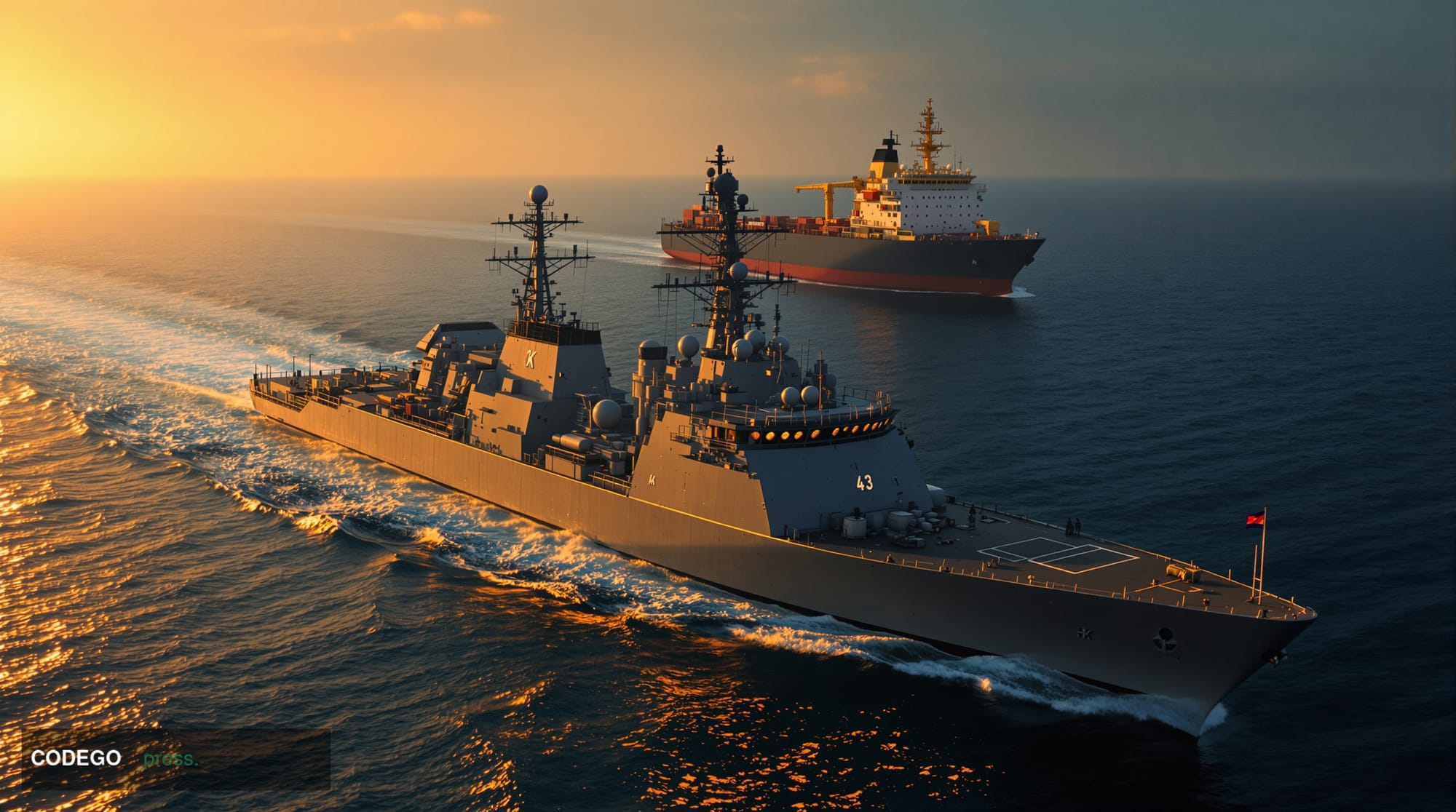
The United States has escalated its enforcement of international sanctions against Iran through direct maritime interdiction, with US forces boarding the sanctioned oil tanker Davina in the Indian Ocean. This aggressive enforcement action signals a new phase in Washington's campaign to disrupt Tehran's sanctions-evasion networks, which increasingly rely on cryptocurrency to circumvent traditional financial controls.
The boarding of the Davina represents a significant escalation in the physical enforcement of sanctions that have traditionally been implemented through financial and diplomatic channels. By intercepting vessels in international waters, the US demonstrates its willingness to use naval assets to enforce compliance with sanctions regimes that Iran has systematically attempted to evade through sophisticated networks combining traditional oil smuggling with digital asset transactions.
The timing of this maritime enforcement action coincides with intensified US pressure on Iran's cryptocurrency networks, which have become central to Tehran's strategy for maintaining international commerce despite comprehensive sanctions. Iranian entities have increasingly turned to digital assets to facilitate oil transactions, using cryptocurrency exchanges and blockchain networks to obscure the origin and destination of payments that would otherwise be blocked by the traditional banking system.
This dual approach targeting both physical oil shipments and digital payment networks reflects a more comprehensive understanding of how modern sanctions evasion operates. Traditional enforcement focused primarily on banking relationships and formal trade channels, allowing sophisticated actors to migrate their operations to cryptocurrency platforms and shadow shipping networks. The Davina interdiction suggests US authorities now recognize that effective sanctions enforcement requires simultaneous pressure on both the physical movement of goods and the digital transfer of value.
The broader implications of these enforcement actions extend well beyond the immediate US-Iran sanctions regime. Global regulatory authorities are likely to interpret this escalation as a signal that cryptocurrency's role in sanctions evasion will face increased scrutiny across all jurisdictions. Bank for International Settlements member institutions and other financial regulators may accelerate their own enforcement mechanisms for digital assets used in sanctions circumvention.
Oil markets are particularly sensitive to any disruption in Iranian supply chains, regardless of their legal status under international sanctions. The interdiction of vessels like the Davina creates uncertainty about the reliability of Iranian oil flows to key markets, particularly in Asia where demand for discounted sanctioned crude remains strong. This enforcement escalation could force buyers to seek alternative suppliers, potentially affecting global oil pricing dynamics and supply chain stability.
For cryptocurrency markets, the enforcement action represents a concrete demonstration that digital assets cannot provide complete immunity from traditional enforcement mechanisms. While blockchain networks offer pseudonymous transaction capabilities, the physical world anchors of most economic activity – ships, oil terminals, and ultimately the people controlling these operations – remain vulnerable to conventional law enforcement. This reality may prompt more sophisticated sanctions evasion schemes while simultaneously encouraging legitimate cryptocurrency businesses to enhance their compliance capabilities.
The precedent established by boarding the Davina could reshape international maritime law enforcement and sanctions compliance across multiple sectors. As Iran continues developing its cryptocurrency infrastructure to support sanctions evasion, the US response suggests that future enforcement will increasingly combine cyber operations, financial intelligence, and traditional naval interdiction to create comprehensive pressure on sanctioned entities and their networks.
Written by the editorial team — independent journalism powered by Codego Press.