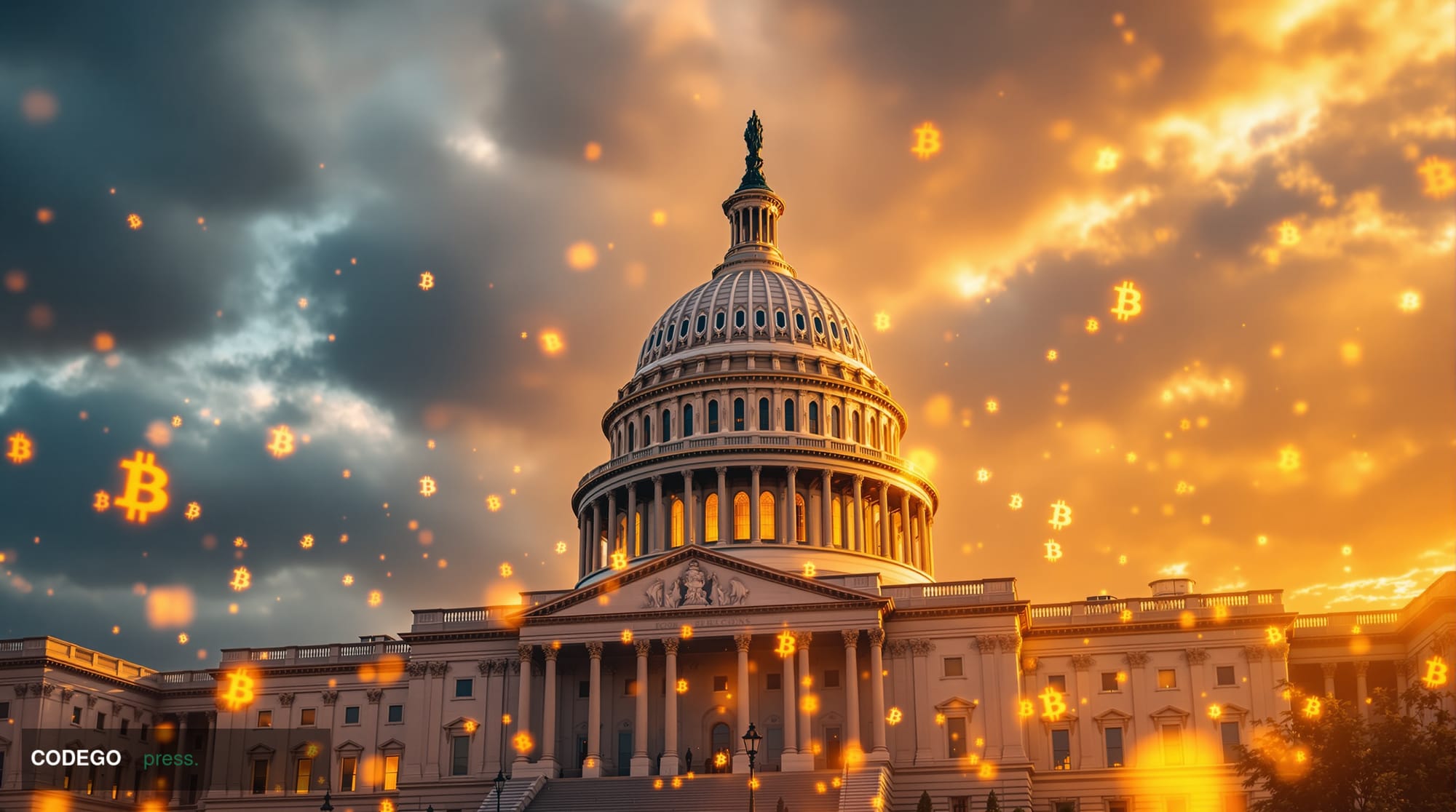
The United States Congress has renewed its pursuit of establishing a strategic Bitcoin reserve, introducing comprehensive legislation that would fundamentally alter how the nation approaches cryptocurrency holdings within its financial infrastructure. The American Reserve Modernization Act of 2026 represents the latest congressional effort to integrate digital assets into America's long-term economic strategy, establishing stringent parameters for how such reserves would be managed and deployed.
The legislation mandates that any Bitcoin acquired for strategic reserves must be held for a minimum of 20 years, creating an unprecedented long-term commitment to cryptocurrency holdings at the federal level. This extended holding period reflects lawmakers' recognition of Bitcoin's potential as a store of value while acknowledging the volatility that has characterized digital asset markets. The two-decade timeframe effectively positions Bitcoin as a generational investment for the federal government, comparable to other strategic reserves that nations maintain for long-term economic security.
Under the proposed framework, the government would be permitted to liquidate Bitcoin holdings before the 20-year threshold only under specific circumstances tied to national debt reduction. This provision creates a dual mandate for the strategic reserve: serving as a long-term store of value while potentially functioning as a financial tool for addressing fiscal challenges. The debt reduction clause suggests lawmakers view Bitcoin not merely as a speculative investment, but as a potential solution to America's mounting fiscal obligations, which currently exceed $30 trillion.
The timing of this legislative push reflects broader shifts in how traditional financial institutions and governments worldwide are approaching cryptocurrency integration. Major corporations have already demonstrated the viability of Bitcoin treasury strategies, with companies like MicroStrategy and Tesla previously adding substantial Bitcoin holdings to their balance sheets. The American Reserve Modernization Act would extend this corporate trend to sovereign-level financial management, potentially establishing the United States as a leader in government cryptocurrency adoption.
The legislative framework addresses several critical considerations that have historically complicated government involvement in cryptocurrency markets. By establishing clear holding periods and usage parameters, the bill attempts to provide regulatory certainty while minimizing the market disruption that could result from unpredictable government trading activity. The 20-year minimum holding period effectively removes the federal government as a potential source of market volatility, addressing concerns from cryptocurrency advocates who have worried about the impact of large-scale government intervention.
Implementation of such a strategic reserve would require significant coordination across multiple federal agencies, including the Treasury Department, the Federal Reserve, and relevant regulatory bodies. The logistics of securely storing and managing substantial Bitcoin holdings present unprecedented challenges for government infrastructure, requiring new protocols for digital asset custody and security. These operational considerations underscore the magnitude of the institutional changes that would accompany serious government adoption of cryptocurrency reserves.
The renewed congressional interest in Bitcoin reserves also reflects evolving perspectives on monetary policy and economic sovereignty in an increasingly digital global economy. As central bank digital currencies gain momentum worldwide and traditional monetary systems face new pressures, proponents argue that Bitcoin reserves could provide the United States with additional financial flexibility and hedging capabilities against currency debasement and geopolitical economic pressures.
The success of the American Reserve Modernization Act will likely depend on broader political dynamics and the evolving regulatory landscape surrounding cryptocurrency. Previous attempts to establish government Bitcoin reserves have faced resistance from traditional financial interests and concerns about market manipulation. However, the structured approach embodied in the 20-year holding requirement and debt reduction provisions suggests lawmakers are attempting to address these concerns through careful policy design rather than wholesale rejection of cryptocurrency integration.
Written by the editorial team — independent journalism powered by Codego Press.