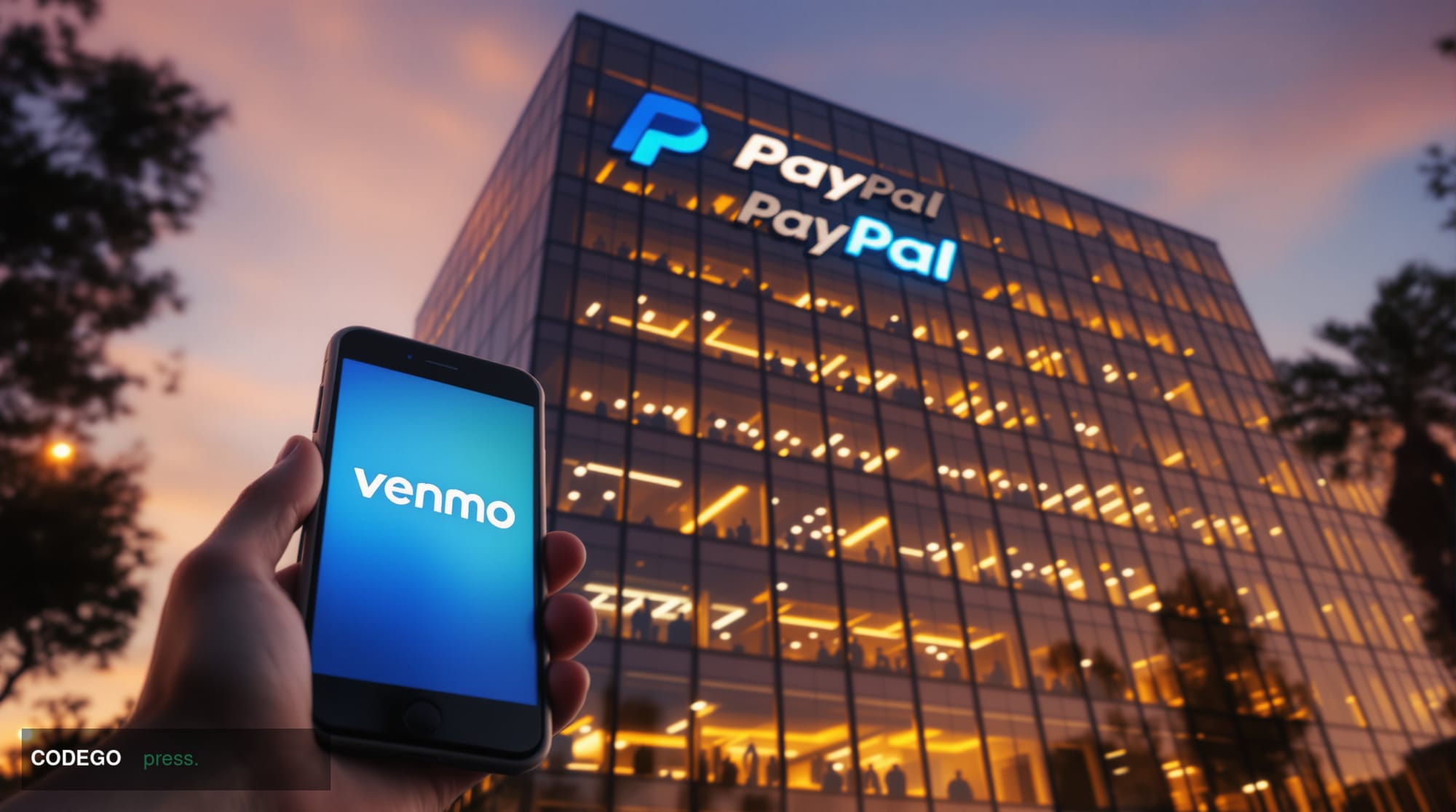
PayPal's strategic repositioning has entered a critical phase as its peer-to-peer payments subsidiary Venmo launches a comprehensive redesign while the parent company orchestrates broader restructuring efforts in preparation for a potential sale. The convergence of these developments signals a pivotal moment for one of fintech's most recognizable brands as it navigates evolving market pressures and corporate strategic imperatives.
The timing of Venmo's major redesign alongside PayPal's restructuring efforts reveals a coordinated approach to maximizing asset value ahead of potential acquisition discussions. This strategic synchronization suggests management's recognition that Venmo's consumer-facing appeal and market positioning could serve as a significant value driver in any sale process. The redesign represents more than cosmetic changes; it positions Venmo as a modernized, standalone-capable platform that could attract diverse buyer interest.
The restructuring implications extend far beyond corporate reorganization, potentially reshaping competitive dynamics across the broader fintech ecosystem. As PayPal positions itself for divestiture, traditional payment processors, emerging fintech challengers, and technology conglomerates may reassess their strategic positioning. The potential availability of PayPal's assets could trigger a wave of consolidation activity as market participants seek to capture market share or defensive positioning.
Cryptocurrency integration strategies face particular uncertainty amid these corporate maneuvers. PayPal has established itself as a significant player in mainstream crypto adoption, offering trading and payment services to millions of users. The restructuring process raises questions about how new ownership might approach digital asset strategy, potentially accelerating or constraining crypto-related initiatives depending on acquirer priorities and regulatory considerations.
Investor confidence metrics will likely reflect the market's assessment of execution risks inherent in simultaneous product redesign and corporate restructuring. While strategic repositioning can unlock value, the complexity of coordinating major platform changes with potential ownership transitions introduces operational uncertainties. Market participants will scrutinize user engagement metrics, revenue performance, and competitive positioning indicators as evidence of strategic success or challenges.
The broader fintech landscape faces recalibration as one of its foundational players potentially changes hands. Venmo's consumer brand recognition and user base represent valuable assets that could enhance various acquirer strategies, from traditional financial institutions seeking digital transformation to technology companies expanding payment capabilities. The ultimate buyer profile will significantly influence competitive dynamics across peer-to-peer payments, merchant services, and digital wallet segments.
Regulatory considerations add another dimension to the strategic calculus, particularly given heightened scrutiny of large technology acquisitions and financial services consolidation. Any potential sale process will require navigation of multiple regulatory jurisdictions and approval processes, potentially influencing buyer interest and deal structure. The intersection of payment processing, data handling, and consumer financial services creates a complex regulatory environment that could affect transaction timing and terms.
The confluence of Venmo's redesign with PayPal's restructuring efforts ultimately represents a critical inflection point for digital payments evolution. Success in executing this dual strategy could establish new benchmarks for fintech value creation and strategic repositioning. However, the inherent complexity of simultaneous product innovation and corporate transformation will test management capabilities and market confidence. The outcome will likely influence how other fintech leaders approach strategic pivots and value optimization in an increasingly competitive and consolidated industry landscape.
Written by the editorial team — independent journalism powered by Codego Press.