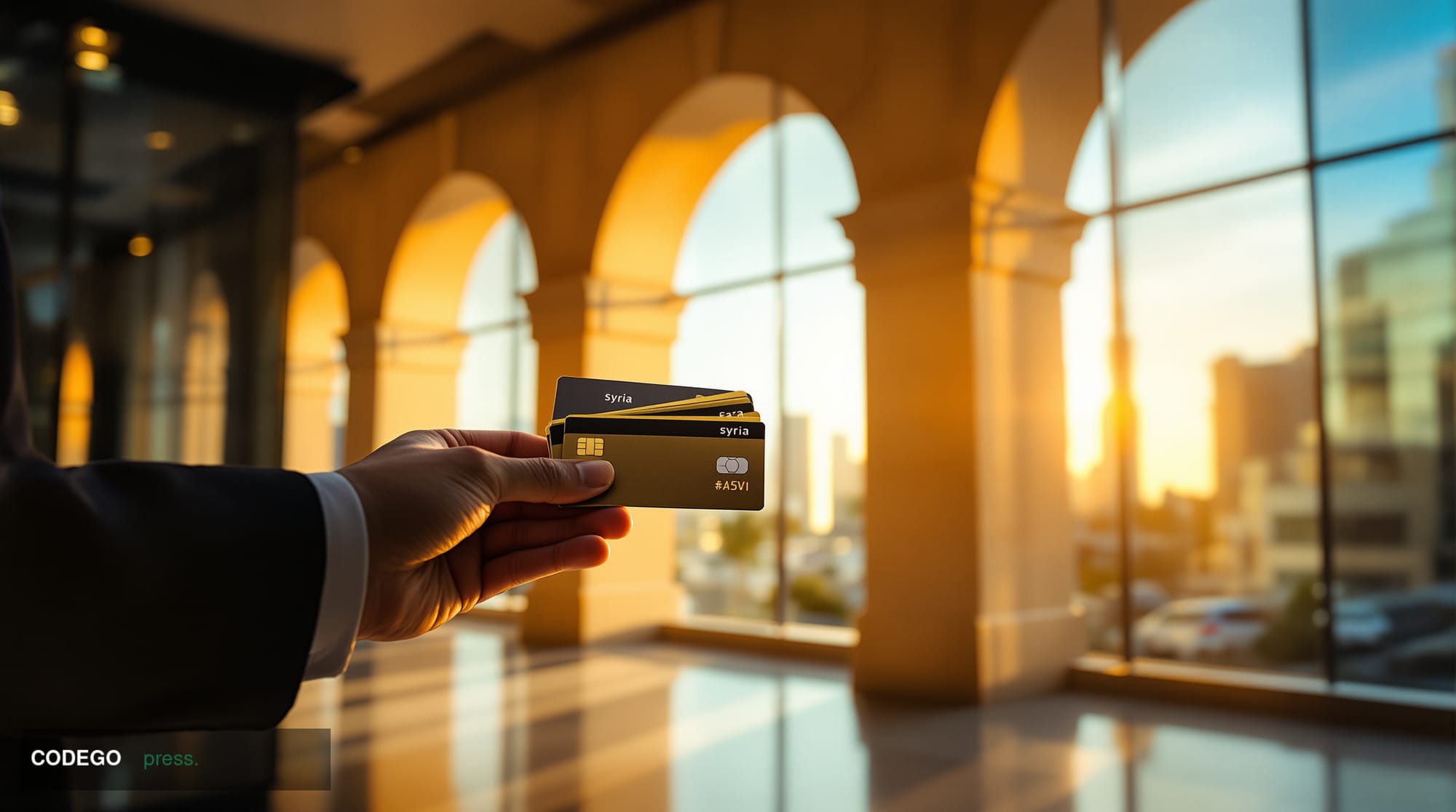
The return of Visa and Mastercard to Syria after a 15-year absence marks a pivotal moment in the country's gradual reintegration into the global financial system. The resumption of operations by these dominant payment networks signals a fundamental shift in Syria's economic landscape, potentially catalyzing broader financial recovery and international business engagement.
The 15-year hiatus represents one of the longest periods any major economy has operated without access to the world's two largest payment networks. During this extended isolation, Syrian businesses and consumers were forced to rely on cash-based transactions and alternative payment methods, severely limiting cross-border commerce and hampering economic development. The absence of these payment rails effectively cut Syria off from the modern digital economy, creating barriers for both domestic growth and international trade.
The strategic implications of this resumption extend far beyond simple payment processing capabilities. Visa and Mastercard serve as critical infrastructure for global commerce, enabling everything from tourism payments to international business transactions. Their return suggests a broader normalization of Syria's position in the international financial system, potentially paving the way for increased foreign investment and economic partnerships.
Financial Infrastructure Revival
The restoration of international payment network access addresses a fundamental infrastructure gap that has constrained Syria's economic potential. Modern economies rely heavily on electronic payment systems for efficiency, security, and transparency in financial transactions. The resumption of these services could significantly boost Syria's economic recovery by enhancing global financial connectivity and trust, as businesses and consumers regain access to internationally recognized payment methods.
For Syrian banks, the return of Visa and Mastercard represents an opportunity to modernize their service offerings and reconnect with international banking networks. This development could accelerate the digitization of Syria's financial sector, enabling banks to offer contemporary services such as online payments, international transfers, and merchant processing solutions that have become standard elsewhere in the region.
The timing of this resumption also reflects broader geopolitical shifts and evolving sanctions frameworks that have gradually opened pathways for limited financial engagement. While comprehensive sanctions relief remains a complex international policy matter, the return of payment networks suggests that certain financial infrastructure elements are being viewed as essential for humanitarian and economic purposes.
Economic Recovery Catalyst
The enhanced global financial connectivity promised by this development could serve as a significant catalyst for Syria's economic recovery efforts. Access to international payment networks facilitates tourism, enables e-commerce development, and supports small business growth by providing reliable payment processing capabilities. These factors are particularly important for Syria's service sector, which has the potential to drive near-term economic growth.
Moreover, the return of trusted international payment brands could help rebuild confidence in Syria's financial system among both domestic and international stakeholders. This trust factor is crucial for attracting investment and encouraging the return of Syrian diaspora communities who may now find it easier to conduct financial transactions with family and businesses in their home country.
The resumption also positions Syria to participate more fully in the global digital economy, where electronic payments have become fundamental to commerce. As neighboring countries in the Middle East continue to advance their fintech ecosystems and digital payment adoption, Syria's renewed access to major payment networks helps prevent further economic isolation and creates opportunities for regional financial integration.
Written by the editorial team — independent journalism powered by Codego Press.