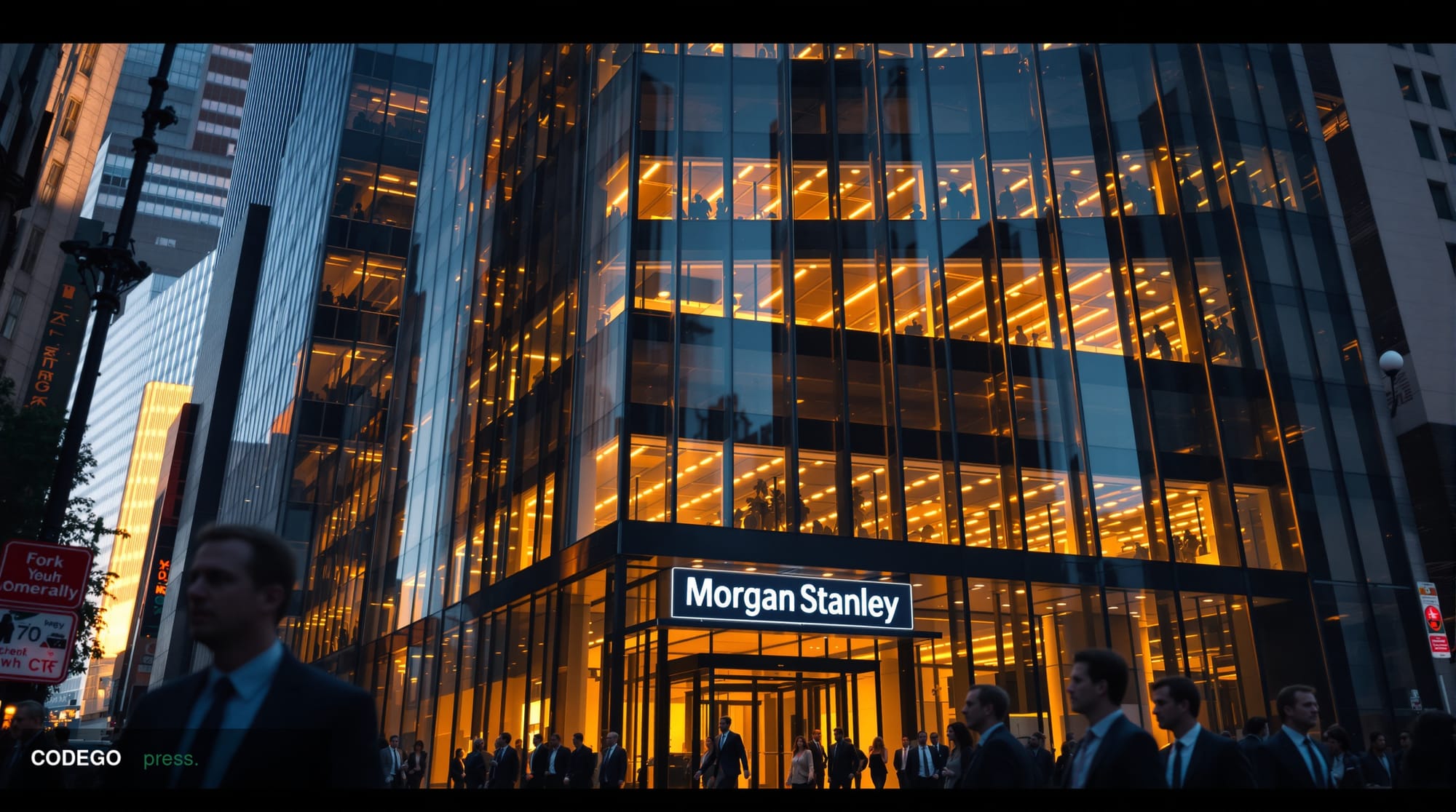
Senator Elizabeth Warren has launched a direct challenge against federal banking regulators, demanding they reverse their approval of a Morgan Stanley restructuring arrangement. The Massachusetts Democrat's intervention signals escalating congressional scrutiny of regulatory exemptions granted to major Wall Street institutions, particularly in light of recent banking industry turmoil.
Warren's letter to the three primary banking regulators—the Federal Reserve, Federal Deposit Insurance Corporation, and Office of the Comptroller of the Currency—explicitly draws comparisons between Morgan Stanley's situation and the compliance failures that have plagued JPMorgan Chase and Citigroup in recent years. This parallel suggests Warren views the Morgan Stanley exemption as part of a broader pattern of regulatory leniency toward systemically important financial institutions.
The timing of Warren's intervention reflects mounting congressional frustration with banking oversight practices. Both JPMorgan and Citi have faced significant regulatory penalties and operational restrictions following various compliance breakdowns, risk management failures, and consumer protection violations. By invoking these precedents, Warren appears to be arguing that Morgan Stanley should face similar scrutiny rather than receiving preferential regulatory treatment through structural exemptions.
Warren's challenge represents more than isolated criticism of a single regulatory decision. Her intervention reflects broader Democratic concerns about the effectiveness of current banking oversight frameworks, particularly regarding how regulators handle requests for structural flexibility from major financial institutions. The senator has consistently argued that large banks receive preferential treatment that smaller institutions would never enjoy.
The regulatory approval process for major bank restructurings typically involves extensive review of capital adequacy, risk management capabilities, and compliance infrastructure. When regulators grant exemptions or approve structural changes, they generally do so based on assessments that the modifications will not compromise safety and soundness or consumer protection. Warren's challenge suggests she believes this analysis was flawed or incomplete in Morgan Stanley's case.
For Morgan Stanley, Warren's intervention creates potential operational uncertainty at a time when the firm likely expected regulatory clarity following the approved restructuring. The bank may now face renewed regulatory scrutiny and possible modifications to previously approved arrangements. This uncertainty could impact strategic planning and implementation timelines for whatever structural changes were originally approved.
The broader implications extend beyond Morgan Stanley to the entire regulatory framework governing large bank operations. If Warren's challenge gains traction among other lawmakers or influences regulatory thinking, it could signal a shift toward more restrictive oversight of major financial institutions. This development would align with progressive Democratic priorities but could face resistance from industry advocates and pro-business policymakers.
Warren's move also highlights the ongoing tension between congressional oversight responsibilities and regulatory agency independence. While banking regulators operate with significant autonomy, congressional pressure can influence their decision-making processes and enforcement priorities. The senator's public challenge creates political pressure for regulators to justify their reasoning and potentially reconsider their position.
The outcome of this regulatory dispute will likely influence how other major banks approach requests for structural flexibility and exemptions. If Warren succeeds in forcing a reversal or modification of the Morgan Stanley approval, it could discourage similar requests from other institutions or prompt more rigorous regulatory review processes. Conversely, if regulators maintain their position despite congressional pressure, it might reinforce the current oversight framework while potentially escalating political tensions over banking regulation.
Written by the editorial team — independent journalism powered by Codego Press.