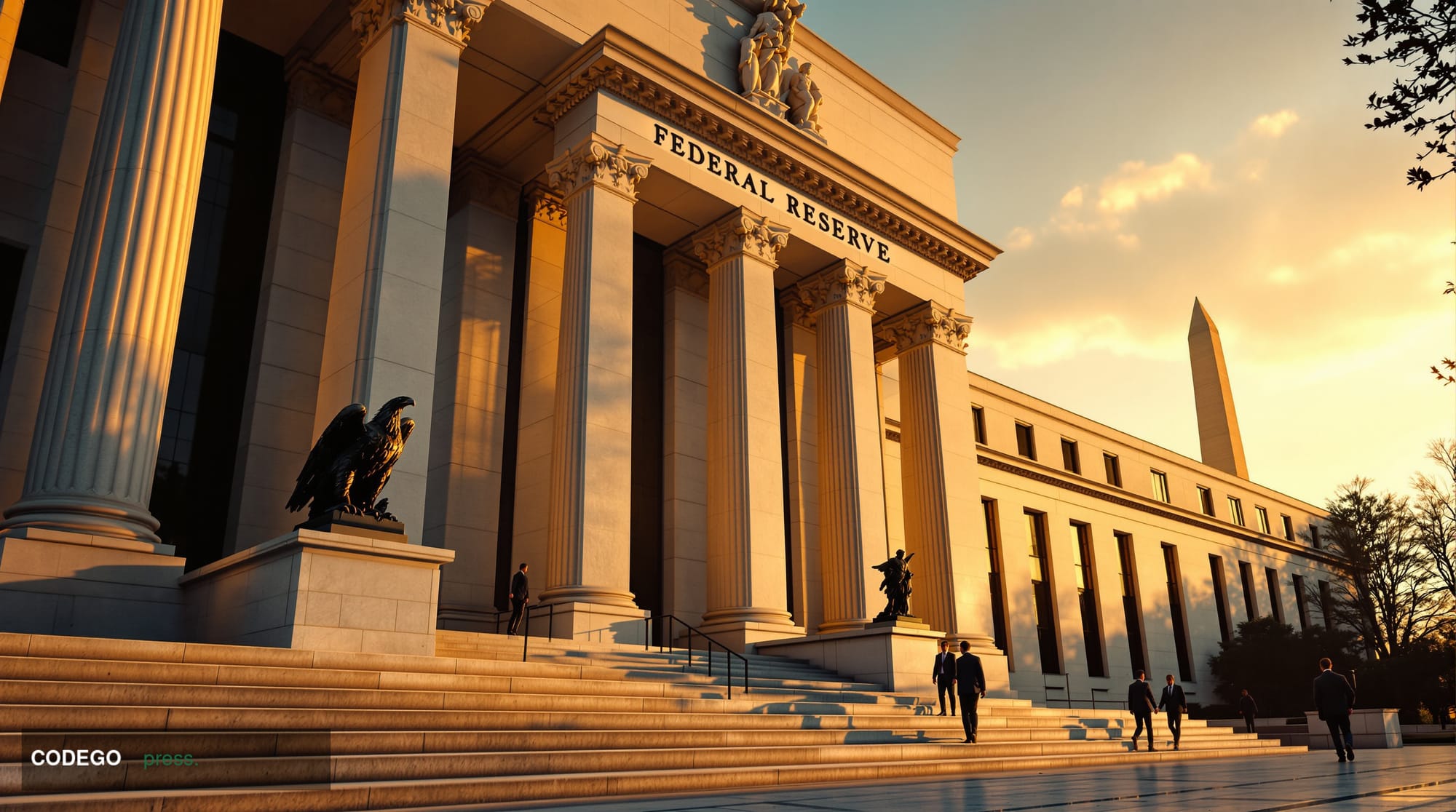
The Federal Reserve under Kevin Warsh is already reshaping market expectations just three weeks into his tenure as the 17th Chair of the central bank. With rate hike odds surging to 68%, the youngest person ever appointed to the Fed board is delivering on his promise of "regime change" through tighter inflation discipline, creating significant headwinds for risk assets including Bitcoin.
Warsh, who was sworn in on May 22, brings a unique pedigree to the role. Originally appointed to the Fed board in 2006 at age 35, making him the youngest Fed governor in history, he now returns to lead the institution during a critical juncture for monetary policy. His hawkish rhetoric about implementing stricter inflation controls has already begun to reverberate through financial markets, with traders rapidly repricing their expectations for interest rate policy.
The 68% probability for a rate hike represents a dramatic shift in market sentiment, reflecting growing confidence that Warsh will follow through on his promise to prioritize price stability over accommodation. This marks a notable departure from the more dovish approach that characterized recent Fed policy, signaling a potential new era of monetary restraint that could fundamentally alter the investment landscape.
For Bitcoin and other cryptocurrency assets, Warsh's emergence as Fed Chair presents a formidable challenge. Digital assets have historically thrived in low interest rate environments, where investors seek higher-yielding alternatives to traditional fixed-income securities. The prospect of sustained rate increases under Warsh's leadership threatens to diminish the relative attractiveness of speculative investments like Bitcoin, potentially triggering significant capital outflows from the crypto sector.
The timing of Warsh's appointment coincides with a broader reassessment of monetary policy effectiveness. His background as both a former Fed governor and private sector executive provides him with a unique perspective on the intersection of policy and markets. This experience may prove crucial as he navigates the delicate balance between controlling inflation and maintaining financial stability, particularly given the outsized impact that Fed decisions have on global risk appetite.
Market participants are closely monitoring Warsh's early communications for clues about the pace and magnitude of potential policy tightening. His emphasis on "regime change" suggests a willingness to take bold action, even if it means accepting short-term market volatility in pursuit of longer-term price stability objectives. This approach could prove particularly challenging for assets like Bitcoin, which have become increasingly correlated with traditional risk assets during periods of monetary policy uncertainty.
The broader implications of Warsh's hawkish stance extend beyond cryptocurrency markets. Traditional growth stocks, emerging market assets, and other interest rate-sensitive investments may face sustained pressure if the Fed follows through on aggressive tightening measures. This shift could mark the end of an era characterized by ultra-accommodative monetary policy and abundant liquidity, forcing investors to recalibrate their risk assessments across asset classes.
As Warsh settles into his new role, the key question facing markets is whether his promised "regime change" will translate into sustained policy tightening or whether economic conditions will ultimately force a more moderate approach. The answer will likely determine the trajectory for Bitcoin and other risk assets in the months ahead, making Warsh's Fed potentially the most significant headwind facing cryptocurrency markets in years.
Written by the editorial team — independent journalism powered by Codego Press.