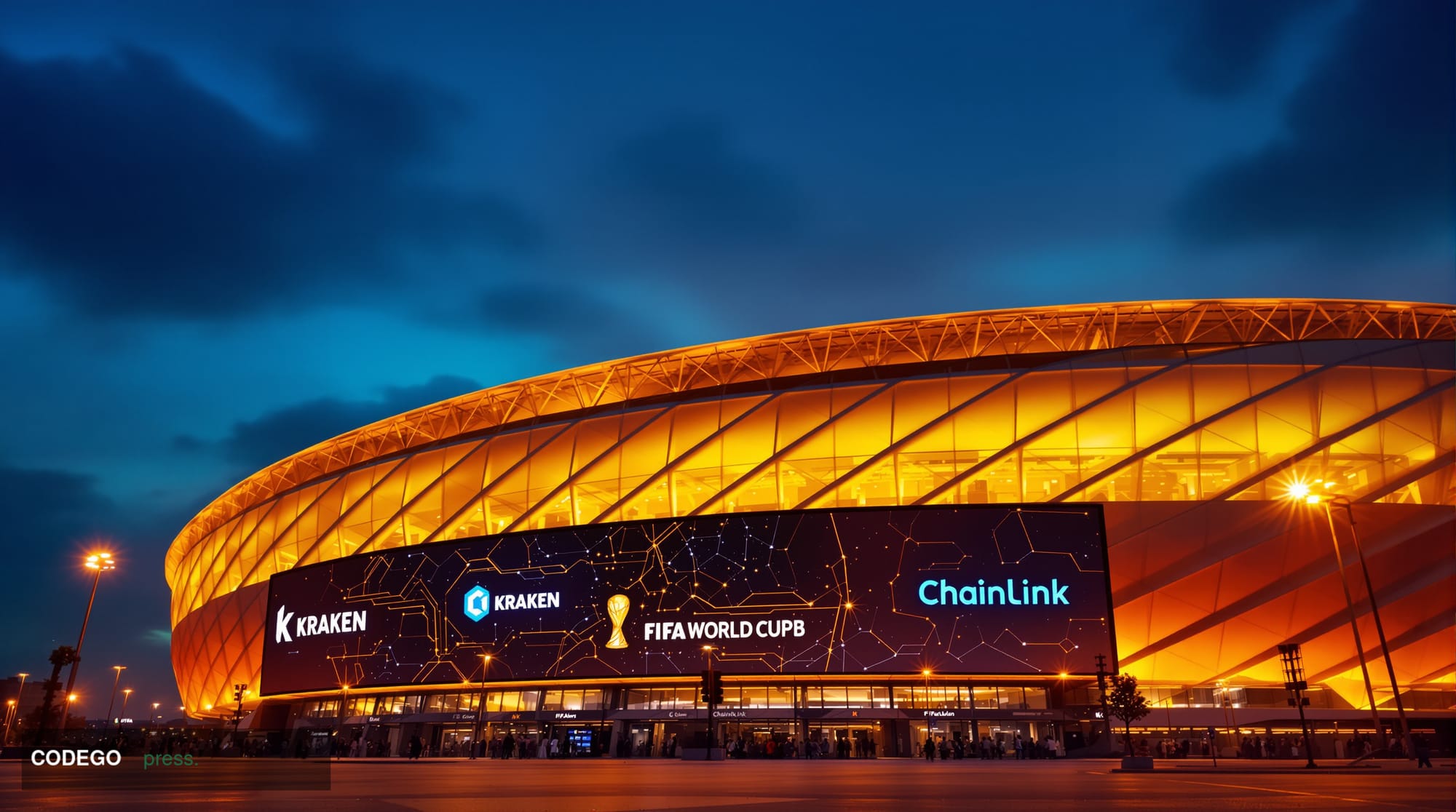
The FIFA World Cup 2026 is poised to mark a watershed moment in the convergence of traditional sports entertainment and blockchain technology, as the tournament opens with Germany facing Curaçao amid unprecedented cryptocurrency partnerships that could fundamentally reshape how fans engage with global sporting events.
The integration represents more than ceremonial blockchain branding, with Kraken and Chainlink securing prominent partnership positions that signal institutional cryptocurrency adoption reaching sports' most prestigious stage. These arrangements extend beyond traditional sponsorship models, incorporating blockchain infrastructure directly into fan engagement mechanisms and potentially establishing new revenue streams that could influence how professional sports organizations approach digital asset integration.
The timing proves particularly significant as cryptocurrency markets have matured substantially since previous World Cup cycles, with institutional adoption reaching levels that enable meaningful integration into mass-market entertainment properties. Kraken's involvement suggests exchange platforms are positioning themselves as infrastructure providers for sports-related digital asset activities, while Chainlink's participation indicates oracle services and smart contract functionality may play operational roles in tournament mechanics.
The selection of Germany versus Curaçao as the opening fixture adds geographic and economic dimensions to the cryptocurrency narrative, representing both established European financial markets and emerging Caribbean digital asset jurisdictions. This pairing reflects broader trends in global cryptocurrency adoption, where traditional financial centers increasingly intersect with jurisdictions that have embraced innovative regulatory frameworks for digital assets.
Fan engagement transformation through cryptocurrency integration could establish precedents that extend well beyond football, potentially influencing how professional sports leagues approach blockchain technology across multiple disciplines. The mechanisms being deployed may include tokenized fan experiences, cryptocurrency-based merchandise transactions, and blockchain-verified collectibles that create new categories of sports investment opportunities.
Market dynamics surrounding sports-related cryptocurrency applications have evolved considerably, with institutional investors increasingly viewing sports partnerships as validation of blockchain technology's mainstream viability. The World Cup's global reach provides cryptocurrency companies with exposure to demographics that may not actively participate in traditional digital asset markets, potentially accelerating adoption among casual investors.
The investment implications extend beyond immediate partnership value, as successful implementation could demonstrate cryptocurrency's capacity to enhance rather than disrupt traditional entertainment industries. This proof-of-concept approach may encourage other major sports organizations to explore blockchain integration, creating a multiplier effect that could significantly expand cryptocurrency market participation.
Strategic positioning for digital asset mainstream adoption
The cryptocurrency partnerships represent calculated moves by blockchain companies to associate their technologies with globally recognized entertainment properties, leveraging sports' universal appeal to normalize digital asset usage among mainstream consumers. This strategy differs markedly from earlier cryptocurrency marketing approaches that primarily targeted technology enthusiasts and financial speculators.
The tournament's outcome as a blockchain integration showcase will likely influence regulatory approaches to cryptocurrency in sports, potentially establishing frameworks that other entertainment industries may adopt. Success could accelerate institutional acceptance of digital assets in traditional business contexts, while implementation challenges might prompt more cautious regulatory oversight.
Written by the editorial team — independent journalism powered by Codego Press.