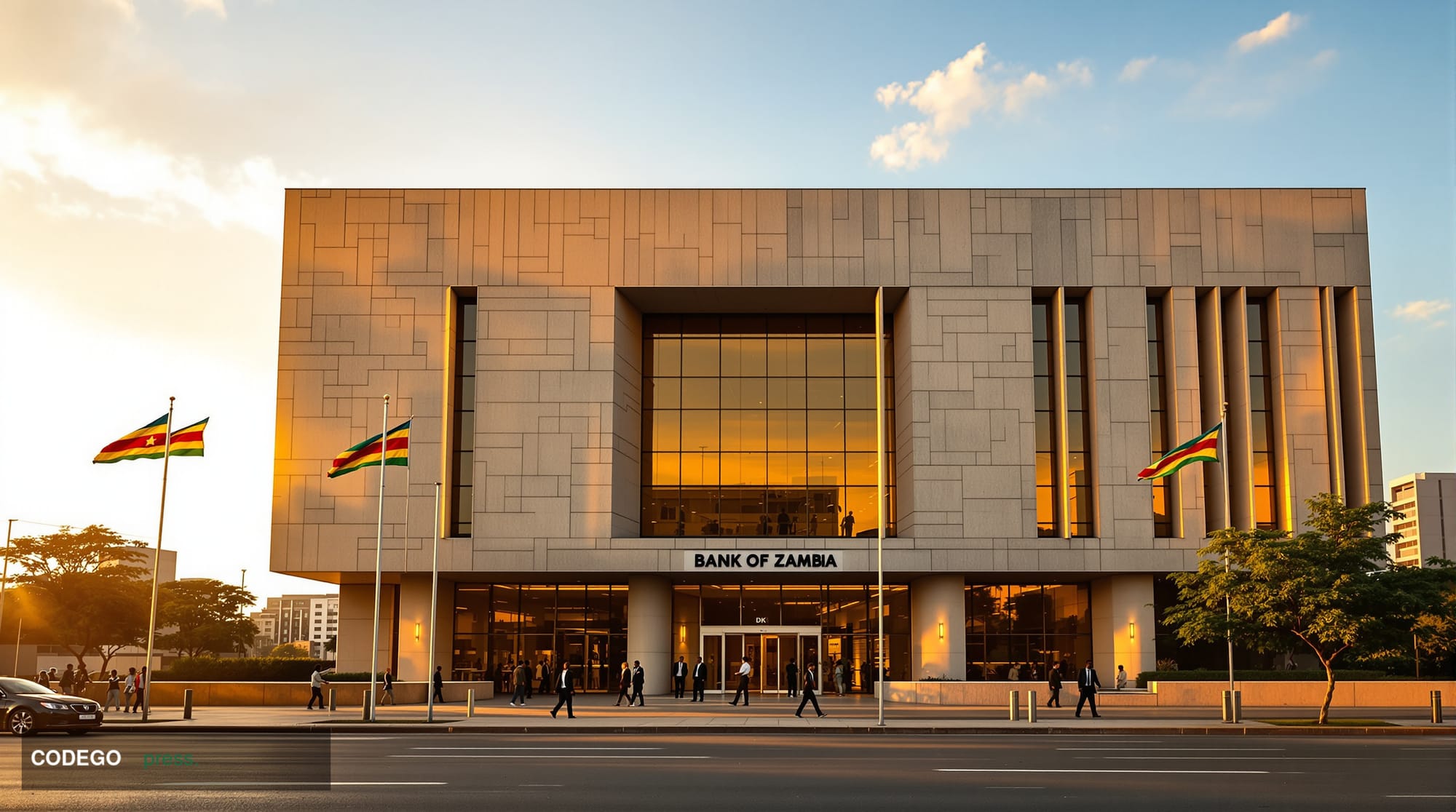
Zambia's financial inclusion landscape came under fresh scrutiny this week as Bank of Zambia Governor Dr Denny H Kalyalya unveiled the findings of the 2025 FinScope Survey at a high-profile launch event in Lusaka. The presentation, held on April 30, represents the latest attempt to measure and understand the depth of financial services penetration across one of Africa's most important copper-producing economies.
The FinScope Survey stands as a critical barometer for policymakers and financial institutions operating in Zambia's evolving banking sector. This annual assessment provides comprehensive data on how ordinary Zambians access, use, and perceive financial services ranging from traditional bank accounts to mobile money platforms and microfinance products. For Governor Kalyalya and his team at the central bank, these results offer essential intelligence for crafting monetary policy and regulatory frameworks that can expand financial access across both urban centers and rural communities.
The timing of this survey release carries particular significance as Zambian authorities continue navigating complex economic challenges. The country's financial sector has undergone substantial transformation in recent years, with digital payment platforms gaining traction alongside traditional banking services. Mobile money services have emerged as a crucial bridge for previously unbanked populations, while commercial banks have expanded their branch networks and automated teller machine coverage across provincial areas.
Central bank leadership in financial inclusion initiatives reflects a broader continental trend where monetary authorities recognize that expanding access to financial services directly supports economic development and poverty reduction goals. The Bank for International Settlements and other global financial institutions have consistently emphasized the correlation between robust financial inclusion metrics and sustainable economic growth in emerging markets.
For Zambian financial institutions, the FinScope Survey results provide market intelligence that can inform product development, branch placement strategies, and digital service offerings. Commercial banks operating in Lusaka and other major cities rely on this data to identify underserved demographic segments and geographic areas where expansion opportunities exist. The survey methodology typically encompasses both quantitative usage statistics and qualitative insights into consumer preferences and barriers to financial service adoption.
The central bank's role in promoting financial inclusion extends beyond data collection into active policy implementation. Governor Kalyalya and his regulatory team have previously introduced measures designed to reduce account opening requirements, encourage mobile banking adoption, and strengthen consumer protection frameworks. These initiatives aim to create an enabling environment where both established financial institutions and emerging fintech companies can contribute to expanding access.
Looking ahead, the 2025 FinScope Survey results will likely influence regulatory priorities and industry development strategies throughout the remainder of this decade. As Zambia's economy continues diversifying beyond its traditional mining base, ensuring broad-based access to financial services becomes increasingly important for supporting small business development, agricultural financing, and household economic resilience. The comprehensive nature of this annual survey positions it as an indispensable tool for measuring progress toward these national development objectives.
Written by the editorial team — independent journalism powered by Codego Press.